 Skagit County
 Allura Isn't a Bad Product — It's Just Not the One We Stand Behind
We get asked about Allura fairly often, usually by homeowners comparing bids who noticed a price gap between our quote and someone else's. It's a fair question, and it deserves a straight answer instead of a sales pitch. Allura is a real fiber cement siding manufacturer, not a knockoff, and the material itself — Portland cement, sand, and cellulose fiber pressed and cured — is the same basic chemistry as the fiber cement we do install. So this isn't a story about one product being "good" and another being "bad." It's a story about why, after years of installing and repairing siding in Skagit County, we settled on one manufacturer and stopped installing several others, Allura included.
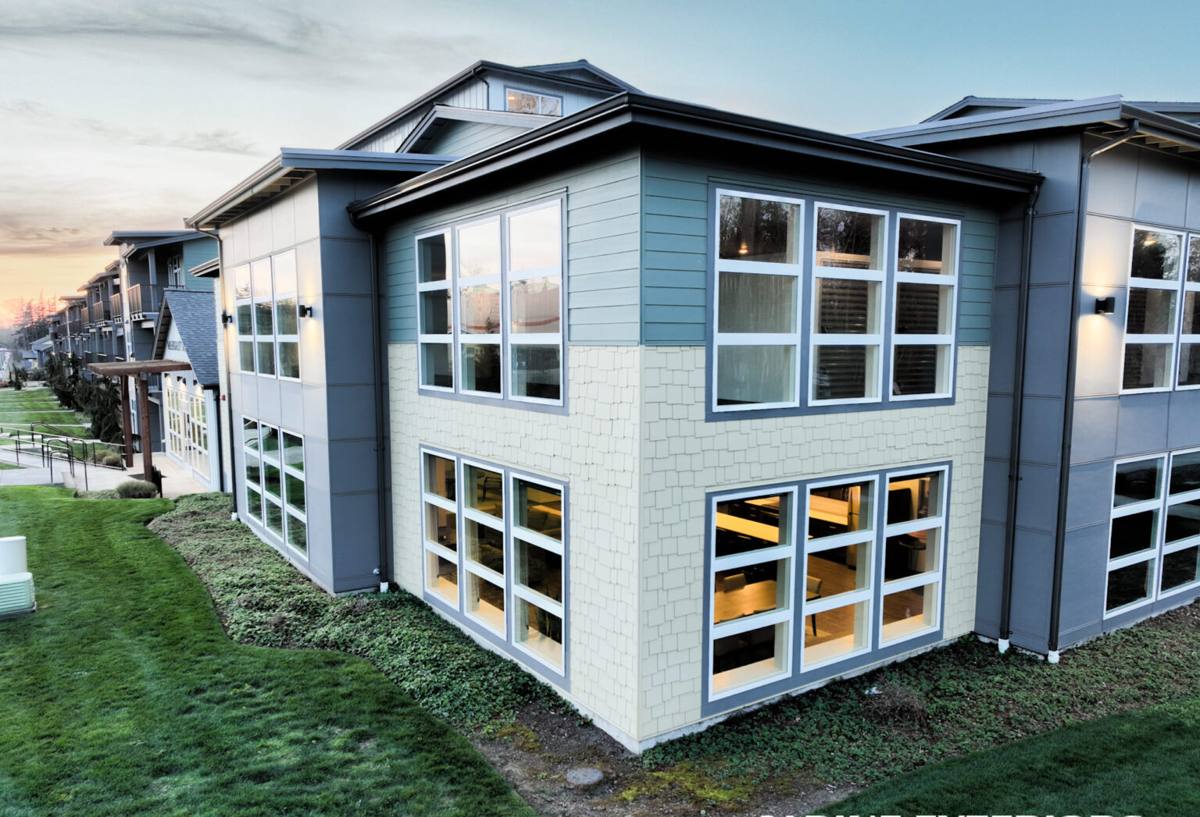
What Allura Gets Right
Credit where it's due: fiber cement as a category is a genuine upgrade over vinyl or untreated wood for a wet Pacific Northwest climate. It doesn't warp in the heat, it resists pests, and it's non-combustible, which matters more every year with wildfire smoke seasons creeping into western Washington's summers. Allura's boards are manufactured to standard lap and panel profiles, they're compatible with most standard siding tools and techniques, and the base product has been on the market long enough to have a real track record rather than being an unproven newcomer.
If a homeowner already has Allura siding installed correctly and it's holding up, we're not going to tell them it's failing or that they need to rip it off the house. That's not honest, and it's not our call to make about someone else's product on someone else's home.
Where Our Reservations Start
Our concerns aren't about the raw material — they're about the whole system: how consistently the factory finish holds up region to region, how forgiving the product is of imperfect field installation, and how strong the paper trail is if something does go wrong ten or fifteen years down the road. Those three things — finish, installation tolerance, and warranty backing — are where we've seen the gap widen over time.
Factory Finish vs. Field Touch-Up
Fiber cement siding lives or dies by its finish. The board itself is essentially immune to rot, but the coating on top of it is what actually faces the weather — UV, rain, and in our case, salt air rolling in off Puget Sound and the Skagit River delta. A factory-applied finish cured under controlled conditions bonds differently than a finish that gets touched up or fully painted on site, and the consistency of that factory finish is exactly where we've seen more variability with Allura than we're comfortable putting our name behind.
When a finish underperforms, it doesn't show up as an obvious failure in year one. It shows up as chalking, fading, or hairline cracking at year eight or twelve — right around when a homeowner assumes their siding is good for another decade. By then it's a maintenance and repainting cost nobody budgeted for, on a product that was supposed to be low-maintenance in the first place.
Skagit County's Climate Doesn't Forgive Shortcuts
Every siding decision we make gets filtered through what this specific region does to a house. Skagit County sits where marine air off the Sound meets river valley moisture, which means driving rain that comes in sideways during winter storms, salt-laden air in the coastal areas around Anacortes and La Conner, and a moss season that can run eight months out of the year on north-facing walls and shaded siding. That combination punishes any siding system with weak points at the joints, the butt seams, or the cut edges — because that's where moisture finds a way in and moss finds a place to root.
This is precisely why edge and joint treatment matters more here than it would in a drier climate. A product that performs fine in a low-humidity region can behave very differently after a few winters of Skagit County's rain volume and duration. We'd rather build our installation standard around the toughest conditions we actually work in than the average conditions a spec sheet is tested under.
Installation Sensitivity: The Part Homeowners Never See
Fiber cement in general is less forgiving to install than vinyl — it needs to be cut, primed at cut edges, fastened, and caulked correctly or it will fail early regardless of brand. But we've found some fiber cement lines are noticeably more sensitive to these variables than others, meaning a crew's skill level and attention to detail has a bigger impact on the outcome. That's a real problem in a trade where installation quality varies enormously from crew to crew.
| Factor | What It Means for Your Siding |
|---|---|
| Cut-edge sealing | Unsealed factory-cut edges are the #1 point of moisture entry on any fiber cement product; forgiveness for a missed edge varies by manufacturer |
| Fastener placement tolerance | Tighter tolerance means more rework and inspection time, which many crews skip under schedule pressure |
| Caulking requirements | Some systems rely more heavily on field caulking at joints, which is a maintenance item that degrades over time |
| Finish consistency batch to batch | Affects whether repairs or additions years later will match the original color |
| Manufacturer field support | Determines whether a warranty claim gets resolved or gets stuck in paperwork |
Warranty Structure: What Actually Transfers
Every fiber cement manufacturer publishes an impressive-looking warranty number. The number that actually matters is what happens when a homeowner sells the house five years in, or when a finish issue shows up at year ten and someone has to determine whether it's a material defect or an installation defect. We've spent time reading through warranty language across manufacturers, not just the marketing summary, and the differences in transferability, prorated coverage, and what counts as a covered defect are significant. A warranty that's hard to actually use isn't much of a warranty.
This is one of the bigger reasons we standardized on a single manufacturer rather than installing whichever fiber cement a homeowner requested. When we back a job, we want to be confident that if something goes wrong at year twelve, there's a real path to getting it resolved — not a warranty that technically exists on paper but is structured to be difficult to invoke.
A Practical Checklist Before You Choose a Siding Product
- Ask whether the finish is factory-applied and baked, or field-applied after installation
- Ask what the manufacturer's actual claims process looks like, not just the warranty length
- Ask whether cut edges are required to be factory-sealed or field-primed, and who is responsible for it
- Ask how the product has performed specifically in Puget Sound or coastal Washington conditions, not a national average
- Ask what happens to labor coverage if the installer goes out of business — some warranties cover material only
- Get the installation standard in writing, not just verbally promised
Why We Install James Hardie Instead
We standardized on James Hardie fiber cement because it's the one system where we're confident in all three of the areas above at once: a factory-cured ColorPlus finish that holds color and resists the chalking we've seen elsewhere, product lines engineered specifically for high-moisture climates like ours (their HZ5 designation is built around this exact combination of rain and humidity), and a warranty structure with a track record of actually being honored, including transferability if a home sells. It's also non-combustible, which matters for insurance conversations as much as safety.
That doesn't mean Hardie is magic or immune to bad installation — no siding is. It means that when we install it to spec, we're not fighting the product to get a result that holds up through a Skagit County winter. We'd rather turn down a job than install something we can't stand behind for the next twenty years, and that's the whole reason this page exists.
What This Means If You're Comparing Bids
If another contractor has quoted Allura, Cemplank, or a similar fiber cement product at a lower price, that's not automatically a red flag — it may just reflect material cost differences. What we'd encourage you to do is ask that contractor the same questions in the checklist above, and compare the answers against what you'd get with Hardie installed to manufacturer spec. We're happy to walk through that comparison directly, with your actual house and actual bid in hand, rather than in the abstract.
If you'd like a straightforward second opinion or a full estimate for Hardie siding on your Skagit County home, we're glad to come take a look — no pressure, no pitch, just an honest read on your specific situation.