 Skagit County
 Storm Damage Roof Repair for Alger Homes
Alger sits in one of the more exposed corners of Skagit County — tucked between the timber along I-5 and the open water influence of Samish Bay, with weather that rolls in off the Sound and picks up speed as it funnels through the valley. That combination of wind, rain, and heavy tree cover means Alger roofs take a different kind of beating than roofs twenty minutes inland. When a storm passes through and leaves shingles curled, a branch punches a hole in the decking, or flashing pulls loose around a chimney, the fix needs to match the conditions that caused it — not a generic patch job.
This page covers what storm damage actually looks like on homes in and around Alger, what a correct repair involves, and how our process works from the first call to the final inspection.
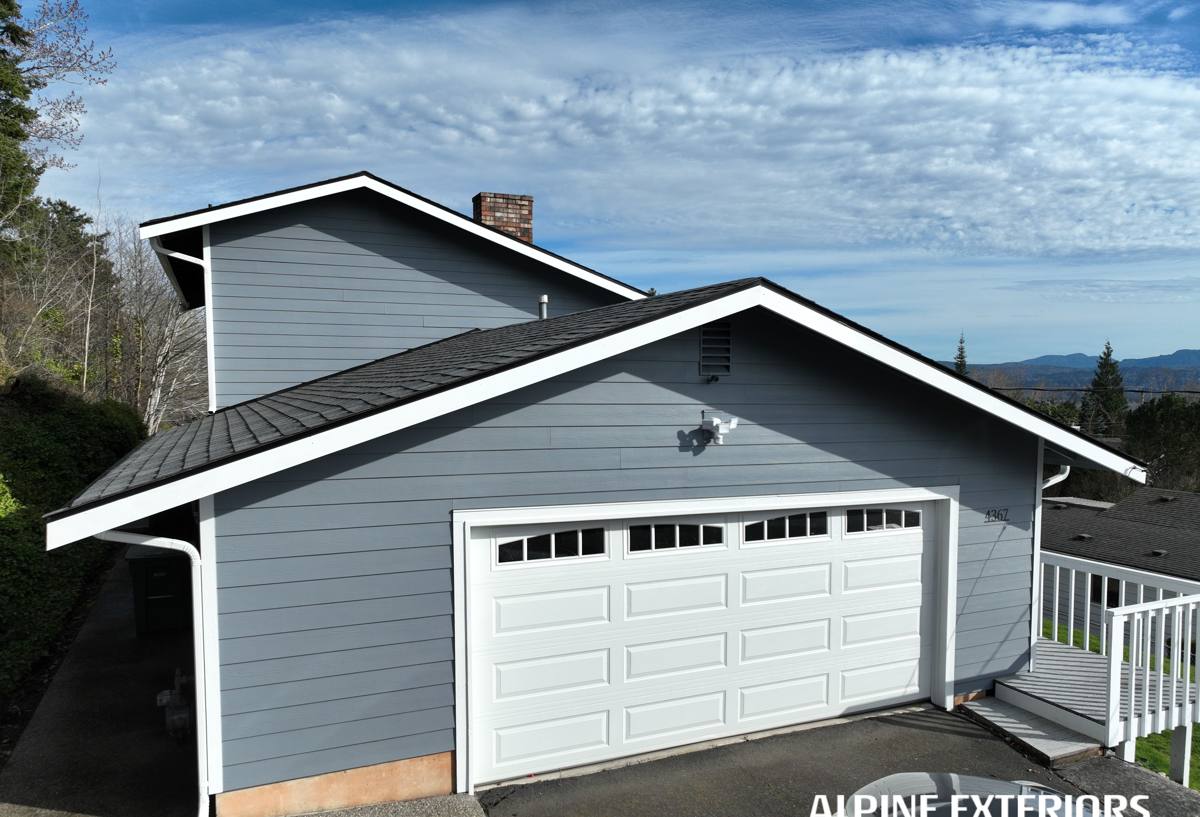
Why Alger Roofs Take Extra Punishment
Wind Off the Water
Samish Bay and the Sound funnel wind through this part of Skagit County with more consistency than you'd get further inland. Sustained wind combined with gusts during winter storm systems is one of the most common reasons we get called out here — it works shingle tabs loose, lifts ridge caps, and stresses flashing at every roof penetration.
Tree Cover
Alger's wooded lots are part of what makes the area attractive, but overhanging limbs and tall conifers are also a leading cause of storm damage. Wind doesn't have to snap a tree to cause a problem — a shifting limb rubbing against shingles during a windstorm can wear through a roof surface just as effectively as a direct strike.
Salt Air and a Long Moss Season
Proximity to the bay means a faint but steady salt-air exposure that accelerates corrosion on exposed fasteners, flashing, and metal drip edge over time. Layer on Skagit County's long, damp moss season — shaded, tree-covered roofs here stay wet longer than roofs in open, sunny areas — and you get roofs that are already softened or compromised before a storm even hits. A roof with moss buildup or granule loss from age is far more likely to suffer real damage in a wind event than a roof that's been kept clean.
What Storm Damage Actually Looks Like
Most storm damage isn't dramatic. It's rarely a hole you can see from the driveway — it's smaller, and it's often invisible from the ground.
| Damage Type | What Causes It | Why It Matters |
|---|---|---|
| Lifted or missing shingle tabs | Sustained wind, aging adhesive strips | Exposes underlayment and nail lines to direct rain |
| Granule loss / bruising | Wind-driven debris, hail-like impact from falling debris | Weakens the shingle's UV and water barrier over time |
| Punctures from limbs or debris | Falling or wind-whipped branches | Direct path for water into the decking |
| Flashing separation | Wind uplift, thermal cycling around chimneys and vents | One of the most common sources of slow, hidden leaks |
| Ridge cap displacement | Wind uplift at the roof's highest, most exposed point | Opens the ridge vent line to wind-driven rain |
The problem with most of this list is that none of it announces itself right away. Water finds its way into the attic or wall cavity long before it shows up as a stain on a ceiling, and by the time it does show up, you're usually looking at more than a roof repair.
Why Fast, Correct Repair Matters Here
Two things make timing matter more in Alger than in a lot of places. First, the rain doesn't stop — Skagit County's wet season gives a damaged roof very little downtime between storm events, so a small opening in the roof surface rarely stays small. Second, tree-shaded sections of roof dry out slower after a storm, which means trapped moisture under a damaged shingle or around a compromised flashing joint has more time to work into the decking and framing before anyone notices.
If a storm has caused visible or suspected damage, a temporary tarp or targeted patch to stop water intrusion is often the right first move, followed by a full assessment and permanent repair once conditions allow. What you want to avoid is leaving damage unaddressed through another rain cycle "to see how it does" — that's usually the difference between a repair bill and a repair-plus-drywall-plus-insulation bill.
What a Correct Repair Actually Involves
1. A Full Inspection, Not Just a Patch
We don't just look at the spot you called about. Wind damage on one slope often means related stress on ridge caps, adjacent flashing, and fasteners nearby. A repair that only addresses the visible symptom tends to get a callback within a year.
2. Matching the Existing Roof
Shingle color and profile matching matters more on a repair than a full replacement — a mismatched patch stands out and can affect resale value. We source materials that match as closely as possible in color, thickness, and exposure pattern.
3. Flashing and Underlayment, Not Just Shingles
A repair that replaces damaged shingles but ignores the underlayment or flashing beneath them is treating the symptom, not the cause. Especially around chimneys, skylights, and vent penetrations, we replace compromised flashing and underlayment as part of the repair — that's where most repeat leaks originate.
4. Fastener and Metal Condition
Given the salt-air exposure in the Alger area, we check exposed fasteners and metal flashing for early corrosion during any storm repair. Catching a corroding fastener now is a five-minute fix; catching it after it's failed is a leak.
Our Process
- Initial call and safety check. We ask what you're seeing and whether there's active water intrusion so we can prioritize accordingly.
- On-site inspection. We walk the roof (weather permitting) and inspect the attic side where accessible, documenting damage with photos.
- Written scope and estimate. You get a clear explanation of what's damaged, what needs to happen, and a written cost range before any work starts.
- Temporary protection if needed. If the repair can't happen immediately, we can install a temporary tarp or seal to stop further water entry.
- Repair. Matched materials, correct flashing and underlayment work, and a clean tie-in to the surrounding roof.
- Final walk-through. We show you what was done and flag anything else worth watching, like early moss growth or aging flashing nearby.
Insurance and Documentation
Most storm damage claims hinge on documentation of the event and the damage, not just the damage itself. We provide photos and a written scope that homeowners can use when filing a claim. We don't handle the claim for you or negotiate with your carrier, but we make sure you have what an adjuster needs to see.
| Situation | Reasonable First Step |
|---|---|
| Active leak, storm just passed | Temporary tarp/patch to stop water entry, then full inspection |
| Visible shingle or flashing damage, no active leak | Schedule inspection within a few days — don't wait through another storm cycle |
| Suspected damage, nothing visible from ground | Request an inspection, especially after a significant wind event |
| Damage discovered during unrelated work (gutter cleaning, etc.) | Get it assessed before assuming it's minor |
Why a Crew That Already Works Alger Matters
Storm response is a different job than routine roofing work. A crew that already knows the Alger area knows which streets tend to lose power first in a windstorm, which sections of the community sit under heavier tree cover, and how Skagit County's permitting and inspection process works for repair versus replacement scope. That familiarity shortens the time between your call and a tarp going up, and it means the person inspecting your roof has already seen how wind and moss behave on roofs like yours nearby — not guessing at it from a general playbook.
It also means we're not learning the area's access issues on your dime. Long driveways, steep wooded lots, and limited turnaround space are common around Alger, and a crew that's worked the area before shows up prepared for that instead of figuring it out on-site.
After the Storm: A Homeowner Checklist
- Do not get on the roof yourself, especially on wet or moss-covered surfaces — call for an inspection instead
- Photograph any visible damage from the ground, including debris on the roof or in the yard
- Check attic spaces (if safely accessible) for water stains, damp insulation, or daylight through the roof deck
- Note the date and general conditions of the storm for your own records
- Address active leaks with a bucket or basin indoors while waiting for repair, not roof-level fixes
- Avoid patching with tape, caulk, or spray sealants — they rarely hold and can complicate a proper repair later
- Call sooner rather than later — a small, contained repair now beats a bigger one after another rain cycle
Preventing the Next Storm From Doing the Same Damage
A lot of what shows up as "storm damage" is really a roof that was already weakened by moss, aging flashing, or granule loss finally giving way under wind load. Keeping moss growth in check, having flashing checked every couple of years, and trimming back limbs that hang over the roofline are the most effective things an Alger homeowner can do between storms. None of it prevents every problem, but it narrows the gap between "roof handled the wind fine" and "roof needs emergency repair."
If a recent storm has left you with a leak, missing shingles, or just a nagging feeling something's not right up there, we're glad to take a look. Reach out for a free, no-pressure estimate using the form below — we'll walk the roof, tell you honestly what we find, and lay out your options in plain terms.