 Skagit County
 Exterior Work Built for March Point's Marine Climate
March Point sits out on the water in Skagit County, close enough to Fidalgo Bay and the Salish Sea that homes there deal with a different set of exterior conditions than a house twenty miles inland. Salt-laden air moves off the water and settles on siding, trim, and roofing day after day. Add in Western Washington's long wet season and the shade and dampness that let moss take hold on north-facing walls and rooflines, and you've got a climate that is genuinely hard on building materials. We work throughout Skagit County, and March Point is one of the areas where we see the clearest evidence of what salt air and moisture do to a home's exterior over time.
This page is about what that means for siding, roofing, windows, and decks on a March Point property, and how we approach exterior work here as a local crew rather than an out-of-town outfit passing through.
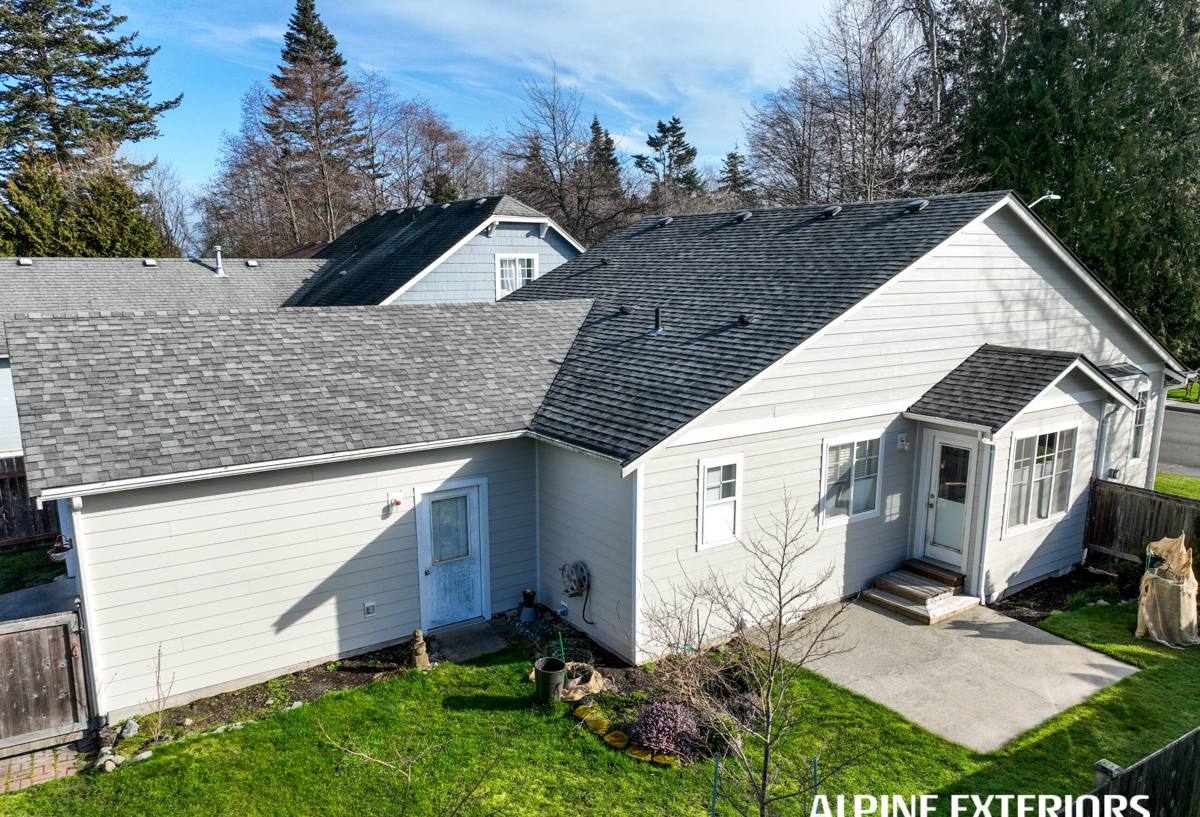
What Salt Air, Rain, and Moss Actually Do to a Home
Salt Air
Airborne salt is corrosive to exposed metal fasteners, flashing, and hardware, and it accelerates the breakdown of finishes that aren't rated for coastal exposure. On siding specifically, salt residue combined with moisture creates conditions where paint fails faster, seams open up sooner, and any material with a weak moisture barrier starts to show problems years ahead of schedule.
Driving Rain
Skagit County gets sustained, wind-driven rain for long stretches of the year, and on a peninsula like March Point that rain often comes in sideways off the water. Wind-driven rain finds every gap in flashing, every unsealed seam, and every spot where caulking has started to crack. Once water gets behind siding, it doesn't dry out quickly in our climate — it sits, and that's when rot and mold start.
Moss and Prolonged Dampness
Shaded, north- and west-facing exterior walls in this part of the county stay damp for days at a time in fall, winter, and spring. That's exactly the environment moss and algae need to establish themselves on roofing and siding surfaces. Beyond the cosmetic issue, moss holds moisture against the surface it's growing on, which is a slow but steady path to material failure if it's never addressed.
Why We Install Only James Hardie Fiber Cement Siding
We standardized on James Hardie fiber cement siding for every home we side, including in March Point, because it's engineered specifically for climates like this one. Hardie's HZ5 product line is formulated for cold, wet, coastal-influenced regions — it resists moisture absorption, doesn't rot, and isn't a food source for the mold and moss that thrive in constant dampness. The ColorPlus factory finish is baked on under controlled conditions, which gives it better fade and wear resistance than field-applied paint, and it comes with a strong transferable warranty when installed to spec.
We don't install vinyl, LP SmartSide, Cemplank, Allura, primed spruce, or cedar. That's not a knock on every homeowner who has one of those products on their house — plenty of them get installed properly and perform reasonably well. It's that after years of exterior work in this climate, we don't think any of those alternatives hold up as consistently as Hardie fiber cement does against sustained salt air, driving rain, and moss pressure, and we'd rather stand behind one product we trust completely than offer several we have reservations about.
| Material | Moisture Behavior | Salt Air Exposure | Long-Term Maintenance |
|---|---|---|---|
| James Hardie Fiber Cement | Non-combustible, doesn't absorb and swell like wood-based products | Engineered coastal formulation (HZ5), factory ColorPlus finish | Low — occasional wash, no repainting on ColorPlus finish for years |
| Vinyl | Doesn't rot, but can warp or crack with temperature swings and impact | Can fade and become brittle faster under UV and salt exposure over time | Low upfront, but panels are hard to color-match if replaced individually |
| Wood / Cedar | Absorbs moisture readily; prone to rot without diligent upkeep | Salt accelerates weathering and finish breakdown | High — regular refinishing, caulking, and moisture inspection needed |
| LP SmartSide / Engineered Wood | Better than raw wood but still wood-based; edge and seam moisture intrusion is the main failure point | Moisture at compromised seams is worsened by salt-driven corrosion of fasteners | Moderate — depends heavily on installation quality and seam sealing |
Full Exterior Envelope: Siding, Roofing, Windows, Decks
Siding is only part of what keeps water out of a March Point home. We handle the full exterior envelope because these systems work together, and a weak point in one usually shows up as a problem in another.
Roofing
A roof in poor condition sends water down behind siding at the eaves and wall intersections. We check roof condition, flashing, and moss buildup as part of any siding project, and we handle roof replacement and repair directly rather than telling a homeowner to go find someone else.
Windows
Window flashing and trim are common leak points, especially on older homes where flashing details weren't built for today's wind-driven rain exposure. When we replace siding around existing windows, we address flashing and trim as part of the job rather than working around it.
Decks
Decks on the water side of a March Point property take a similar beating from moisture and salt as siding does. We build and repair decks with materials and fastening details suited to that exposure, not generic inland specs.
Why a Local Crew Matters Here
A crew that works Skagit County regularly knows which walls on a March Point home are going to see the worst wind-driven rain, which sides stay shaded and damp longest, and where moss tends to establish first. That's not something you get from a general contractor who does one job in the area and moves on. It affects real decisions — where extra flashing detail matters most, which trim details need the most attention, and how a house should be sequenced during a rainy stretch so water never gets a chance to sit in an open wall.
Being local also means we're around after the job is done. If a homeowner has a question two years later about a seam, a warranty claim, or moss starting to show up on a north wall, we're not hard to find.
What Our Siding Process Looks Like
- On-site inspection of existing siding, trim, flashing, and any moisture or rot issues
- Assessment of roof, window, and deck condition where they intersect with the siding plan
- Written estimate covering Hardie product line, color, and installation scope
- Removal of old siding and correction of any moisture damage found underneath
- Installation of house wrap and flashing details appropriate to a coastal-exposure home
- Hardie siding installation to manufacturer spec, including fastening and clearance requirements
- Final walkthrough and warranty documentation
Signs a March Point Home Needs Exterior Attention
- Moss or dark streaking building up on north- or west-facing siding or roofing
- Paint that's peeling, bubbling, or chalking faster than expected for its age
- Soft spots, warping, or visible gaps at siding seams and corners
- Caulking that's cracked or pulled away around windows and trim
- Rusting or corroded fasteners, flashing, or hardware on the exterior
- Water staining on interior walls or ceilings near exterior walls, a sign moisture is already getting behind the cladding
Cost Factors for a March Point Siding Project
| Factor | Why It Matters Here |
|---|---|
| Extent of moisture damage underneath old siding | Coastal exposure and driving rain mean hidden rot is more common; repairs add to scope |
| Home size and wall complexity | More corners, dormers, and trim details mean more labor and material |
| Hardie product line and color selection | HZ5 and ColorPlus finish options vary in price by profile and color |
| Flashing and trim upgrades | Older homes near the water often need upgraded flashing details to handle wind-driven rain |
| Access and site conditions | Waterfront lots and elevation changes can affect staging and labor time |
We won't guess at a number without seeing the house — every March Point property carries a different amount of hidden moisture history depending on its age, orientation, and how it's been maintained.
Get a Free, No-Pressure Estimate
If you're noticing moss, fading, soft spots, or just want an honest read on how your siding, roof, windows, or deck are holding up against the salt air and rain out at March Point, we're glad to come take a look. There's no obligation and no pressure — just a straight assessment from a crew that works this exact climate regularly. Use the form below to request your free estimate.