 Skagit County
 Roofing in Bow Isn't the Same Job as Roofing Inland
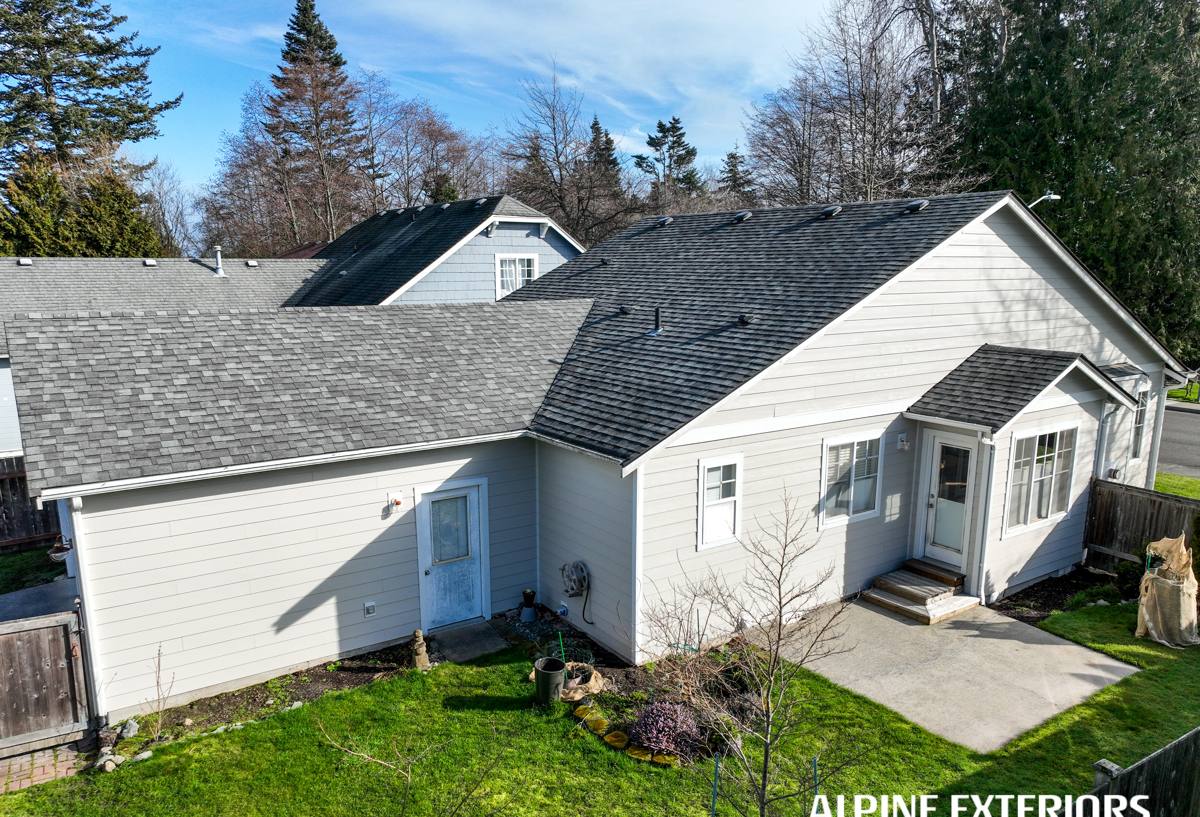
Bow sits close enough to Samish Bay and the open water of the Salish Sea that homes here take on a different kind of weather than roofs twenty miles inland. Salt-laden air moves through the area more often than most homeowners realize, driving rain comes in sideways off the water during winter storms, and the shaded, damp stretches of the year give moss and algae months at a time to get established on north-facing slopes. An asphalt shingle roof installed the same way you'd install one in a dry inland climate will not perform the same way in Bow. It needs the right materials, the right ventilation, and installation details that account for wind-driven moisture, not just rain falling straight down.
This page is about that one job — asphalt shingle roofing on Bow homes — and what it actually takes to get it right in this specific stretch of Skagit County.
What Bow's Climate Actually Does to a Roof
Salt Air and Metal Components
Salt air doesn't damage shingles directly the way it corrodes metal, but it does accelerate wear on the flashing, fasteners, and drip edge that make up the rest of a roofing system. Cheap or under-spec metal components corrode faster near the water, which is why we pay attention to what flashing and fastener materials we're using on a Bow roof, not just what shingle goes on top.
Driving Rain
Storms coming off the water tend to push rain sideways rather than straight down, which puts more stress on underlayment, valleys, and any place two roof planes meet. A roof that would shed water fine in a calm, straight-down rain can leak in Bow if the underlayment and flashing details weren't built for wind-driven moisture.
Moss and Algae Season
Shaded roof sections and slopes that don't get much direct sun stay damp for long stretches of the year here. That's exactly what moss and algae need to take hold. Once moss gets a foothold, it holds moisture against the shingle surface and can work its way under shingle edges over time, which shortens the life of the roof and creates the black streaking homeowners often mistake for dirt.
What a Correct Asphalt Shingle Job Involves
Tear-Off vs. Overlay
We tear off old roofing rather than layering new shingles over old ones in nearly every case. An overlay hides problems instead of fixing them — soft decking, old moisture damage, and existing moss growth all get sealed underneath instead of addressed. Tear-off also lets us actually inspect the roof deck itself, which is the one part of the roof you can't judge from the ground or from photos.
Underlayment
Given how often Bow gets wind-driven rain, we use synthetic underlayment with self-adhering membrane in the valleys, eaves, and any vulnerable transitions rather than relying on standard felt alone in those spots. This is a case where spending a little more on the layer nobody sees pays off directly in fewer leaks down the road.
Flashing
Flashing around chimneys, skylights, sidewalls, and roof-to-wall transitions is where most leaks actually start, not in the open field of shingles. We replace flashing rather than reuse it whenever a roof is torn off, and we size and bend it for the specific transition it's protecting instead of using a generic piece.
Ventilation
Proper intake and exhaust ventilation keeps the attic space at a consistent temperature and moisture level, which matters twice in Bow's climate: it prevents condensation buildup on the underside of the deck in winter, and it keeps shingles from overheating and aging early in summer. A roof can have the best shingle on the market and still underperform if the attic underneath it isn't breathing correctly.
Choosing the Right Shingle for Bow's Conditions
Not every asphalt shingle is built the same way, and the differences matter more in a coastal, moss-prone climate than they would somewhere dry and inland. Here's how the common tiers compare for a Bow home specifically:
| Shingle Type | Typical Lifespan | Best Fit for Bow | Trade-Offs |
|---|---|---|---|
| 3-Tab | 15–20 years | Budget-conscious re-roofs, secondary structures | Lower wind rating, less algae resistance, shows moss growth faster |
| Architectural (Laminate) | 25–30 years | Most Bow homes — best balance of durability and cost | Higher upfront cost than 3-tab, still needs algae-resistant granules for full benefit |
| Impact-Resistant / Premium | 30+ years | Homes with heavy tree cover or exposed, storm-facing sides | Highest material cost, longer lead times on some colors |
Whichever tier fits the budget, we push toward shingles with algae-resistant (AR) copper-infused granules for anything going on a Bow roof. That single spec does more to slow moss and algae growth than any other single decision in the shingle selection, and it's a small percentage difference in material cost for a real difference in how the roof looks and performs after five or six years.
Our Process, Start to Finish
- On-site inspection and estimate — we look at the actual roof, not a satellite photo, and check the deck condition where we can, along with ventilation, flashing points, and any moss or algae already present.
- Written scope and honest pricing — you get a clear breakdown of what's being replaced, what materials are specified, and why, before any work starts.
- Tear-off and deck inspection — old roofing comes off, the deck gets checked for soft spots or water damage, and any necessary repairs are called out before covering it back up.
- Underlayment and flashing installation — synthetic underlayment, self-adhering membrane at vulnerable points, and new flashing throughout.
- Shingle installation — installed to manufacturer spec for nail placement, exposure, and pattern, which matters both for warranty coverage and wind performance.
- Ventilation check — intake and exhaust venting confirmed or corrected as part of the job, not treated as an afterthought.
- Cleanup and final walkthrough — magnetic sweep for nails, debris hauled off, and a walkthrough so you know what was done and what to watch for going forward.
Signs a Bow Roof Needs Attention Now
Some warning signs are easy to miss from the ground, especially on a roof with a lot of shade or tree cover. Worth checking for, or asking a contractor to check for you:
- Dark streaking or green-black patches, usually on north-facing slopes — early algae or moss growth
- Granules collecting in gutters or at downspout outlets — a sign shingles are wearing down
- Shingle edges that look lifted, curled, or cupped rather than lying flat
- Soft or spongy spots when walking the roof, which can mean deck damage underneath
- Daylight visible through the attic roof boards, or damp insulation near the roofline
- Moss visibly growing between shingle tabs rather than just on the surface
- Rust streaks or visible gaps at flashing around chimneys, vents, or skylights
Any one of these on its own isn't necessarily an emergency, but several together — or moss that's been growing for more than a season — usually means it's worth getting a real inspection rather than waiting.
Moss and Algae Management Isn't a One-Time Fix
Even a correctly installed roof with AR shingles will pick up some moss and algae over time in Bow's climate — the goal is slowing it down and managing it, not pretending it won't happen. That means keeping gutters and valleys clear of needles and debris so water doesn't sit, trimming back overhanging branches where it's practical, and treating moss growth early with appropriate roof-safe methods rather than letting it establish and spread. Pressure washing shingles is not something we recommend — it strips granules and shortens the roof's life rather than protecting it.
Why a Crew That Already Works Bow Matters
A roofing crew that's worked other homes in Bow and around Skagit County already knows which slopes tend to hold moss longest, how local wind patterns off the water tend to hit a roof, and what building department expectations look like for the area. That's not something a crew driving in from outside the region picks up on the first job. It also means we're not guessing at material choices — we know what actually holds up here versus what looks fine on paper but underperforms once it's been through a few wet Skagit County winters.
Get a Straightforward Estimate
If your roof is showing wear, growing moss faster than it used to, or you're just planning ahead, we're happy to come take a look and give you a straightforward, no-pressure estimate for asphalt shingle roofing on your Bow home. Use the form below to get started.