 Skagit County
 Window Installation for Clear Lake Homes in Skagit County
Clear Lake sits inland in Skagit County, ringed by trees and water, which makes for a beautiful setting and a demanding one for the wood, glass, and hardware on the outside of a house. Homes here don't usually take a single dramatic storm hit — they take a slow, steady grind of wet months, shaded siding, and standing humidity that works into every seam a window has. Window installation in this kind of setting isn't the same job as installing windows in a dry climate with occasional rain. It's a moisture-management job first and a carpentry job second.
This page covers what Clear Lake homeowners actually need to know before replacing or installing windows: what the local climate does to windows over time, what a correct installation looks like, how our process works, and why it matters to hire a crew that already understands this specific part of Skagit County.
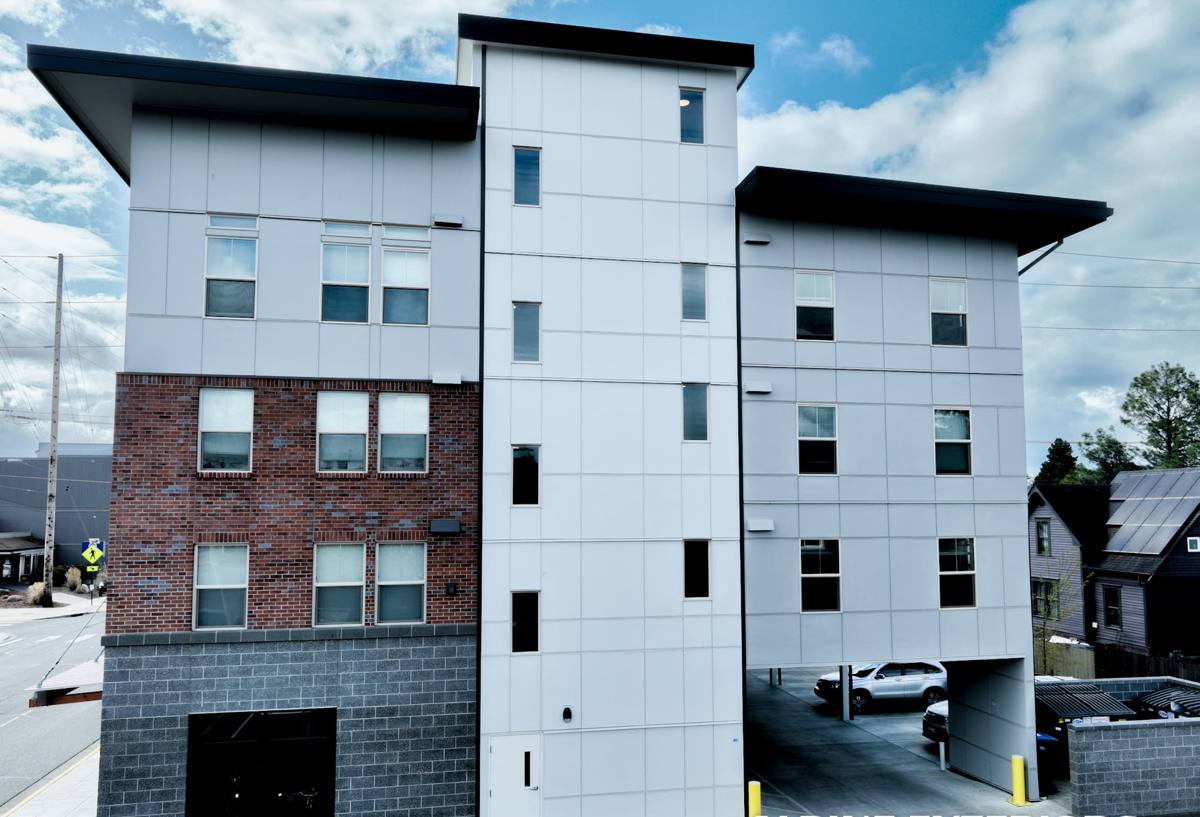
What Skagit County's Climate Does to Windows Over Time
Skagit County's weather pattern is defined less by extremes and more by duration. Rain here tends to come sideways during fall and winter storms, driven by wind, which puts real pressure on window seals and flashing rather than just running down the glass. Add a long stretch of overcast, wet months and you get sustained humidity sitting against window frames for weeks at a time — not just after a single storm.
Then there's the moss and algae growth that Skagit County is known for. Wooded, shaded lots like many around Clear Lake hold moisture longer than open, sun-exposed properties, which means siding, trim, and window sills near tree cover stay damp longer after a rain event. For homes closer to the water side of the county, salt-laden air adds another layer, accelerating corrosion on window hardware, hinges, and fasteners over the years.
Why Older Windows Fail in This Climate
None of this shows up overnight. It shows up as fogging between panes on older double-glazed units, soft or spongy wood at the sill, sashes that swell and stick during the wet season, drafts you can feel at the frame edges, and dark staining or light mold at the corners where water sits longest. These aren't cosmetic issues — they're signs that the seal, flashing, or wood underneath has already started to fail.
Signs Your Clear Lake Home Needs New Windows
A lot of homeowners live with early warning signs for years before addressing them. Worth checking for:
- Visible moisture, fogging, or a milky haze between panes of double-pane glass
- Soft, spongy, or discolored wood at the sill, jamb, or trim
- Windows that are difficult to open, close, or lock, especially after rain
- Noticeable drafts or cold spots near the frame in winter
- Rising heating bills without a clear explanation
- Visible gaps, cracked caulking, or peeling exterior paint around the frame
- Mold, mildew, or dark staining at the interior or exterior corners
- Condensation forming on the inside of the glass regularly, not just occasionally
Any one of these on its own might not mean much. Several together, especially on the side of the house that takes the most weather, usually means it's time to look closer.
What a Correct Window Installation Actually Involves
In a climate like this, the window unit itself matters less than how it's installed. A high-quality window installed without proper flashing will leak eventually. A modest window installed correctly, with attention to water management, will outlast it.
Flashing and Moisture Management
This is the part of the job that doesn't show once the trim is back on, and it's the part that determines whether the installation holds up. A correct install includes a sloped sill pan so any water that gets past the glass drains back out instead of pooling, properly lapped flashing tape integrated with the home's weather-resistant barrier, and head flashing that sheds water down and away from the opening rather than caulk alone trying to do that job. Caulk is a backup, not a strategy.
Fitting, Shimming, and Fastening
A window has to be set level, plumb, and square, then shimmed at the right points so the frame doesn't bow when it's fastened. A frame that's slightly out of square will bind, won't seal evenly, and puts uneven stress on the glass and hardware over time — something that shows up faster in a climate with constant humidity swings between wet winters and drier summers.
Sealing and Finish Work
Backer rod and a quality exterior sealant go in the gap between the frame and the rough opening, insulation fills the cavity without overpacking (which can bow the frame), and interior and exterior trim gets finished to match the rest of the house. Rushed finish work is one of the most common places corners get cut, and it's usually the first thing to fail.
Frame Material Comparison for Skagit County Conditions
There's no single "best" window material — the right choice depends on the home, its exposure, and the homeowner's priorities. Here's how the common options compare for a climate with sustained moisture and moss pressure:
| Material | Moisture Resistance | Maintenance | Typical Lifespan |
|---|---|---|---|
| Vinyl | Very good — won't rot; check seals over time | Low — occasional cleaning | 20–30+ years |
| Fiberglass | Excellent — stable in wet/dry cycles | Low | 30+ years |
| Wood (clad exterior) | Good if cladding and flashing are correct; interior wood still needs care | Moderate — exterior clad, interior finish maintenance | 20–30+ years with upkeep |
| Solid wood, unclad | Poor in this climate without diligent upkeep | High — regular painting/sealing needed | Varies widely with maintenance |
| Aluminum | Good structurally; prone to condensation without a thermal break | Low | 20–30 years |
For most Clear Lake homes, vinyl or fiberglass frames make sense as the practical, low-maintenance choice given the amount of moisture the exterior deals with year-round. Clad-wood options can work well for homeowners who want a specific interior look, as long as the exterior cladding and flashing details are done right — that's where installation quality matters more than the material itself.
Our Installation Process
- On-site assessment — we look at the existing windows, the condition of the framing and sill, and any signs of water intrusion already present, not just the glass.
- Measurement and material selection — accurate measurements and a frame material recommendation based on the home's exposure and the homeowner's budget and priorities.
- Scheduling around the weather — in Skagit County, timing matters. We plan installs to minimize how long an opening is exposed during removal and set-in.
- Removal and prep — old windows come out, any damaged or soft framing is addressed before the new unit goes in, and the opening is properly flashed.
- Installation and sealing — the window is set, shimmed, fastened, insulated, and sealed following the moisture-management steps above.
- Finish and walkthrough — interior and exterior trim is finished, the window is tested for smooth operation, and we walk the homeowner through what was done.
Cost Factors for Window Installation
Window installation costs vary by project, and anyone quoting a firm number without seeing the home is guessing. What actually moves the price:
| Factor | Why It Matters |
|---|---|
| Number of windows | More units means more labor and material, though per-unit cost often drops slightly on larger jobs |
| Frame material | Vinyl is generally the most budget-friendly; fiberglass and clad-wood cost more upfront |
| Window style | Fixed and single-hung windows are simpler than casements, sliders, or larger custom shapes |
| Full-frame vs. insert replacement | Full-frame replacement (removing down to the rough opening) costs more but is often necessary if there's existing water damage |
| Condition of the existing framing | Rot or soft wood found during removal adds repair work before the new window can go in |
| Trim and siding tie-in | Matching existing trim or siding profiles adds finish labor |
As a general rule of thumb, homeowners should expect a range from several hundred dollars per window on the low end for simple insert replacements, up to a few thousand per window for larger, full-frame, or higher-end material installs. We give a firm number after seeing the actual openings — not before.
Why Hiring a Crew That Already Works Clear Lake Matters
Window installation done right in a wet, wooded climate isn't something you pick up from a general contracting background alone. A crew that regularly works Skagit County homes already knows how the driving rain hits certain wall orientations harder than others, how shaded lots hold moisture longer, and what condition to expect when opening up an older home's window framing in this area. That familiarity shortens the guesswork and reduces the chance of surprises once the old window comes out.
It also means understanding local permitting and code requirements without having to research them mid-project, and knowing how to sequence work around Skagit County's wet season instead of leaving openings exposed longer than necessary. None of that is glamorous, but it's the difference between an installation that holds up through a decade of Clear Lake winters and one that starts showing problems in year three.
Maintaining New Windows Through Moss Season
New windows installed correctly still benefit from basic upkeep, especially on a wooded or shaded property:
- Keep weep holes and drainage tracks clear of debris, needles, and moss buildup
- Wipe down sills periodically during the wet months so water doesn't sit
- Watch for algae or moss forming on exterior trim near the window and clean it before it spreads to caulking
- Check exterior caulking annually for cracking or separation, especially after the first year as materials settle
- Trim back branches or vegetation close to windows to improve airflow and reduce shade-driven moisture
A few minutes of seasonal attention goes a long way toward protecting the installation quality underneath.
If you're dealing with old, failing, or drafty windows on a Clear Lake property, we're glad to take a look and give you an honest read on what's going on — no pressure, no obligation. Use the form below to request a free estimate.