 Skagit County
 Why March Point Roofs Wear Differently Than Roofs Inland
March Point sits out on open water on more sides than most Skagit County neighborhoods, and that changes what a roof deals with year over year. Homes here get more direct exposure to salt-laden air, more sustained wind off the water, and rain that doesn't just fall straight down — it drives sideways into fascia, soffits, and any flashing detail that isn't buttoned up tight. None of that means a roof here is doomed to fail early. It means the roof has to be built and maintained with those specific stresses in mind, not installed the same way you'd install one twenty miles inland in a sheltered valley.
Salt air is corrosive to exposed metal — fasteners, flashing, vents, and gutter hardware all take the brunt of it faster than they would in a dry climate. Combine that with Skagit County's long stretch of wet, mild weather each fall and winter, and you get ideal conditions for moss and algae to take hold on north-facing slopes and shaded valleys. A roof replacement out here isn't just about swapping old material for new — it's about choosing products and details that hold up specifically to salt, wind-driven rain, and moss, and installing them correctly the first time.
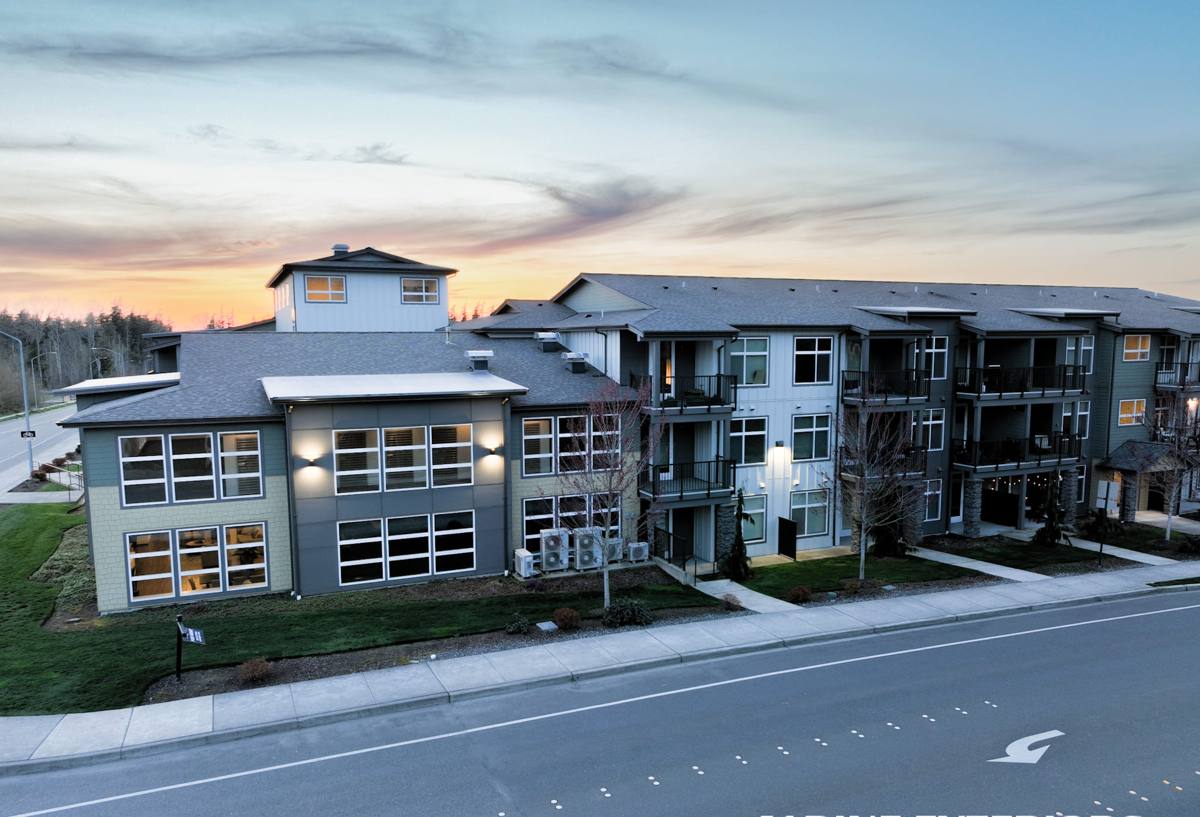
Signs a March Point Roof Needs Replacement, Not Another Repair
Not every problem roof needs a full tear-off. But there's a point where patching becomes throwing money at a system that's already failed underneath. Here's what tells us a roof has crossed that line:
- Shingles that are cupping, cracking, or losing their granules in patches rather than just at the edges
- Soft spots or noticeable give when walking the roof, which usually means the deck underneath has taken on moisture
- Daylight visible through the attic sheathing, or water stains on attic framing after a hard rain
- Moss that keeps returning within a season or two of cleaning, especially on shaded or north-facing slopes
- Flashing around chimneys, vents, or valleys that's rusted, lifted, or was never properly step-flashed to begin with
- A roof that's simply reaching the end of its expected service life for its material type, even if it "looks okay" from the ground
If you're only seeing one or two of these and the roof deck is otherwise sound, a targeted repair might genuinely be the right call — we'll tell you that if it's true. Replacement makes sense when the underlying structure or waterproofing layer has already been compromised, because at that point new shingles on a bad foundation just buys a little time before the same problems resurface.
What a Correct Roof Replacement Actually Involves
Deck Inspection and Repair
Once the old roofing is off, the decking underneath gets inspected board by board. Any wood that's soft, delaminated, or water-stained through gets replaced before anything new goes down. Skipping this step is one of the most common shortcuts in the industry, and it's the one that causes the most expensive failures down the line — new shingles over a compromised deck will not hold up, especially in a wet climate like this one.
Underlayment and Moisture Barrier
This layer matters more here than in drier parts of the state. We use a synthetic or self-adhered underlayment across the full roof, with ice-and-water shield reinforced at eaves, valleys, and any roof-to-wall transitions where wind-driven rain is most likely to find a way in. This is the layer that protects the home if wind ever pushes rain up under the shingle edge, which happens more often on an exposed site like March Point than it does in a sheltered subdivision.
Ventilation
A roof system needs balanced intake and exhaust ventilation to manage heat and moisture in the attic. In a marine climate, poor ventilation doesn't just shorten shingle life — it traps moisture that condenses on the underside of the deck and framing, which is exactly the kind of slow damage that goes unnoticed until it's expensive. We check and correct ventilation as part of every replacement, not as an upsell.
Flashing and Edge Details
Flashing at chimneys, skylights, valleys, and sidewalls is where the overwhelming majority of roof leaks actually originate — not in the open field of shingles. Salt air accelerates corrosion on lower-grade or improperly sealed metal flashing, so we use corrosion-resistant flashing and proper step-and-counter-flashing details rather than relying on caulk or sealant to do a metal detail's job.
Choosing Materials That Hold Up to Salt Air and Moss
There's no single "best" roofing material for every home — it depends on budget, roof pitch, architectural style, and how much long-term maintenance a homeowner wants to take on. Here's an honest comparison of the main options we install, weighed specifically against March Point's conditions:
| Material | Salt Air Resistance | Moss Resistance | Maintenance Burden |
|---|---|---|---|
| Architectural asphalt shingle | Good with corrosion-resistant fasteners and flashing | Moderate; benefits from algae-resistant granules and periodic cleaning | Low to moderate |
| Standing seam metal | Very good when properly coated and detailed; watch fastener and flashing quality | Very good; moss struggles to hold on a smooth, steep metal surface | Low |
| Composite/synthetic shake | Good; doesn't absorb moisture the way natural wood does | Good on steeper pitches, moderate on shallow slopes | Low to moderate |
| Natural cedar shake | Requires diligent maintenance near salt air and moisture | Poor without regular treatment and cleaning | High |
We're upfront that natural wood shake, while attractive, is a hard sell for a site with this much moisture exposure — it demands a maintenance schedule most homeowners underestimate, and moss finds a foothold in wood shake faster than in almost any other roofing material. That's a maintenance and moisture-behavior trade-off we'll walk you through honestly, not a knock on the product itself for homes in drier settings.
Our Roof Replacement Process, Step by Step
1. On-Site Inspection and Estimate
We walk the roof, check the attic where accessible, and look at the specific exposure your home has to wind, salt air, and shade before writing a scope of work. No two roofs on March Point face the exact same conditions.
2. Material Selection
We go through the material options above against your budget, roof pitch, and how much long-term upkeep you want, and we give you a straight recommendation rather than just upselling the most expensive option.
3. Tear-Off and Deck Prep
Old roofing comes off down to the deck, debris is contained and hauled off site, and the deck is inspected and repaired as described above before anything new is installed.
4. Installation
Underlayment, ice-and-water shield, flashing, and the finish material go on in that order, with attention to ventilation and every penetration point — vents, chimneys, skylights — since those are the details that determine whether a roof leaks in year three or holds tight for decades.
5. Cleanup and Final Walkthrough
We clear the site, run a magnetic sweep for stray fasteners, and walk the finished roof and property with you before calling the job done.
Moss, Algae, and Keeping a New Roof Performing Long-Term
Skagit County's long wet season, especially the stretch from fall through spring, is prime growing conditions for moss and algae on any north-facing or shaded roof slope. A new roof buys you time, but it doesn't make a home immune to moss — location and shade matter more than material alone. A few habits go a long way toward protecting the investment:
- Keep overhanging branches trimmed back so shaded slopes get more light and airflow
- Have gutters cleared regularly so water isn't sitting against the roof edge
- Address small moss patches early with gentle, roof-safe treatment rather than pressure washing, which can strip granules and shorten shingle life
- Schedule a periodic roof check-up rather than waiting until a leak shows up inside the house
Permits, Timing, and Working Around Skagit County Weather
Roof replacements in Skagit County typically require a building permit, and we handle that process as part of the job rather than leaving it on the homeowner's plate. Timing matters too — we plan around Skagit County's wetter stretches when we can, and we don't tear off more roof in a day than we can get watertight before weather moves in. On an exposed site like March Point, we're also mindful of wind forecasts, since an open tear-off on a windy day out here is a different risk than the same job in a sheltered inland yard.
Why Hire a Crew That Already Works This Area
A roofing crew that mostly works sheltered, inland neighborhoods can still do competent work, but they may not default to the salt-air-rated fasteners, reinforced underlayment coverage, or moss-conscious material choices that a March Point home benefits from. A crew that already works this part of Skagit County has seen firsthand which details fail first out here and builds around that from the start, instead of learning it on your roof. That's less about brand loyalty and more about not paying twice for the same lesson.
Get a Straight Answer About Your Roof
If you're not sure whether your March Point roof needs a full replacement or just targeted repair, the only honest way to know is to have someone look at it in person. We offer free, no-pressure estimates — use the form below to get a time on the calendar and get a straight answer about what your roof actually needs.