 Skagit County
 Board & Batten Siding in Skyline: Built for a Wet, Salty Climate
Board and batten has become one of the most requested siding styles in Skyline, and it's easy to see why. The vertical lines read as clean and modern on newer builds, but the same pattern also suits farmhouses and older homes that want a more traditional look updated for today. What most homeowners don't realize until they've lived through a few Skagit County winters is that the look is only half the story. How that siding sheds water, resists moss, and holds up to salt-laden wind off the water matters just as much as how it looks from the street.
We install board and batten exclusively in James Hardie fiber cement. We don't offer it in cedar, primed wood, or vinyl-style panel systems, and that's a deliberate call based on what actually holds up in this part of Washington. Below is what we think Skyline homeowners should know before they commit to this style, and what separates a board and batten job that lasts twenty-plus years from one that starts showing problems in five.
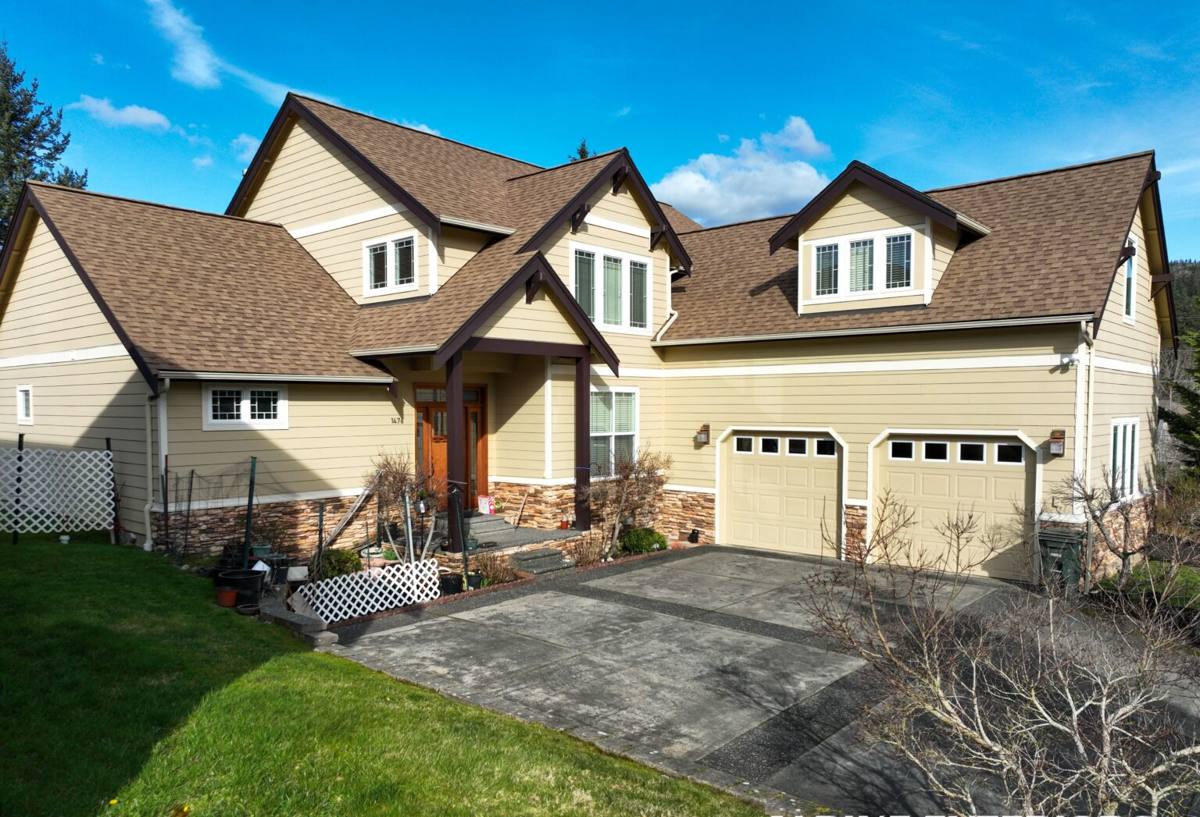
What Skyline's Climate Does to Vertical Siding
Skyline sits in a part of Skagit County where three climate factors combine in a way that's tougher on siding than most homeowners expect:
- Salt air: Proximity to Puget Sound and the surrounding waterways means airborne salt settles on exterior surfaces year-round. Salt accelerates corrosion of fasteners and hardware and breaks down lesser paint and coating systems faster than an inland home would experience.
- Driving rain: Skagit County storms don't just fall straight down — wind-driven rain gets pushed sideways into wall assemblies, especially on exposed elevations. Vertical board and batten has more seams per square foot than horizontal lap siding, and every one of those seams is a potential entry point if it isn't detailed correctly.
- Long moss season: Cool, damp conditions for much of the year create ideal growing conditions for moss and algae. Any siding material that holds moisture at the surface, or that has a porous or absorbent face, becomes a moss host faster than a material engineered to shed water.
Vertical siding styles are more exposed to these conditions than horizontal lap, simply because rain runs down the face of every batten and pools at every horizontal transition — window heads, trim boards, and the base of the wall. That's why the product choice and the installation detailing matter more here than they would in a drier climate.
The James Hardie Board & Batten System We Install
Our board and batten installations use James Hardie's HardiePanel vertical siding paired with HardieTrim battens, engineered specifically for the wet, temperature-swinging conditions of the Pacific Northwest. A few specifics worth knowing:
Climate-Engineered for This Region
James Hardie manufactures different formulations of fiber cement for different U.S. climate zones. The HZ5 product line, which is what we use throughout Skagit County, is engineered for regions with freeze-thaw cycles and sustained moisture exposure — exactly what Skyline gets for a good part of the year. That's a meaningfully different product than the HZ10 line sold in the hot, dry Southwest.
Non-Combustible
Fiber cement doesn't burn, which matters given the wildfire risk that's become more common across Washington in recent summers. It's not a factor unique to board and batten, but it's part of why we standardized on Hardie across every style we install.
ColorPlus Factory Finish
Rather than field-painting siding on site, ColorPlus color is baked on at the factory in a controlled environment, then backed by a finish warranty separate from the product warranty. For board and batten specifically, this matters because vertical panels and battens show lap marks and uneven coverage more visibly than horizontal siding if painted on site by hand. A factory finish keeps the color consistent across every board.
Moisture and Moss Resistance
Fiber cement doesn't absorb water the way wood-based products do, so it doesn't swell, cup, or hold moisture at the surface the way primed spruce or cedar can. That translates directly into less moss growth on north-facing and shaded walls, which is where we see the worst moss buildup on older Skyline homes.
What a Correct Board & Batten Installation Actually Involves
Board and batten looks simple from the curb — vertical panels, boards over the seams — but it's one of the less forgiving siding styles to install correctly. Problems we're called out to fix on other contractors' work almost always trace back to one of the same handful of shortcuts.
Rainscreen Gap
Correct installation includes a drainage gap behind the panel, created with vertical furring strips, so any moisture that gets past the outer layer can drain and dry rather than sitting against the wall sheathing. This is especially important on vertical siding in a driving-rain climate like Skyline's, where wind pushes water sideways into every seam.
Flashing at Every Horizontal Transition
Window heads, the base of the wall, and any horizontal trim need proper flashing that directs water outward and down, not behind the siding. This is the single most common failure point we see on vertical siding installed without enough attention to detail.
Fastener Placement and Spacing
James Hardie specifies exact fastener types, spacing, and placement for board and batten assemblies, and those specs differ from their lap siding requirements. Using the wrong fastener or over-driving nails is one of the more common reasons panels crack or work loose over time.
Batten Spacing and Expansion Gaps
Fiber cement expands and contracts slightly with temperature. Battens and panel seams need the manufacturer-specified gap to accommodate that movement without buckling or opening a gap for water intrusion.
A checklist we run on every board and batten job before we call it finished:
- Rainscreen/furring installed behind the full field of panels
- Weather-resistant barrier lapped correctly, shingle-style, top to bottom
- Flashing installed and sealed at every window, door, and horizontal trim transition
- Fasteners matched to Hardie's specification for board and batten assemblies
- Correct expansion gaps maintained at all panel and batten seams
- All cut edges of panels sealed per manufacturer instructions
- Caulking limited to the specific joints Hardie's install guide calls for — not used as a substitute for flashing
Board & Batten Compared to Other Siding Approaches
| Factor | James Hardie Board & Batten | Cedar Board & Batten | Vinyl Vertical Panel |
|---|---|---|---|
| Moisture absorption | Very low | High — prone to swelling/cupping | None, but traps moisture behind panel |
| Moss/algae resistance | Strong, especially with factory finish | Weak without frequent treatment | Moderate; can still host growth in seams |
| Salt air durability | Strong when hardware is corrosion-resistant | Moderate; finish degrades faster | Can become brittle over time near salt air |
| Repainting cycle | Factory finish, typically 15+ years before repaint | Every 3-7 years | Never repainted, but color fades and can't be refreshed |
| Fire resistance | Non-combustible | Combustible | Combustible/melts under heat |
This isn't a knock on cedar as a material — it has real appeal and a long history in this region. But for a client who wants board and batten's look without the ongoing maintenance commitment that wood demands in a climate this wet, fiber cement is the more practical long-term choice, which is why it's the only option we install.
Our Process for Skyline Board & Batten Projects
1. On-Site Assessment
We walk the exterior, check the condition of existing sheathing and weather barrier, and look for moisture damage that needs to be addressed before new siding goes on — a step that matters more on vertical siding than horizontal, since a compromised wall assembly under board and batten is harder to inspect later.
2. Detailed Estimate
You get a written scope covering material, trim details, flashing plan, and timeline, so there's no ambiguity about what's included.
3. Prep and Weather Barrier
Old siding is removed, sheathing is inspected and repaired as needed, and a new weather-resistant barrier and rainscreen furring go on before a single panel is hung.
4. Installation to Manufacturer Spec
Panels, battens, and trim go up following James Hardie's fastening, spacing, and flashing specifications — not a generalized "good enough" approach.
5. Final Walkthrough
We walk the finished job with you, check every elevation, and confirm the work matches what was scoped.
Why a Crew That Already Works Skyline Matters
Siding installation isn't one-size-fits-all across Skagit County. A crew that mostly works drier, inland areas may not think twice about rainscreen detailing or corrosion-resistant fastener selection — details that are non-negotiable this close to salt water and this deep into a wet weather pattern. Knowing which elevations in Skyline take the worst wind-driven rain, how much moss pressure a shaded north wall is going to face, and how local moisture patterns behave against a wall assembly comes from doing this work locally and repeatedly, not from a generic install manual.
That local pattern recognition is also why we standardized on one product system rather than offering several. Every crew member installs the same James Hardie system on every job, which means the fastening, flashing, and rainscreen details are consistent and second nature — not something relearned for each different material.
Maintenance: What Board & Batten Actually Needs Afterward
- Rinse the exterior annually, focusing on shaded and north-facing walls where moss pressure is highest
- Inspect caulking at trim and window transitions every year or two, and re-caulk only where the manufacturer's install guide calls for it
- Trim back vegetation and landscaping that holds moisture against the wall
- Watch for any hardware staining, which can signal a fastener that needs attention before it becomes a bigger issue
Compared to wood board and batten, this is a short list — and that's by design. The goal is a siding system that looks good in year one and still looks good in year twenty without a repainting schedule dictating your maintenance calendar.
If you're weighing board and batten for a home in Skyline, we're glad to walk the property with you, talk through what the climate here means for your specific elevations, and put together a free, no-pressure estimate — just fill out the form below.