 Skagit County
 Asphalt Shingle Roofing Built for Clear Lake's Conditions
Clear Lake sits in one of the wetter, more heavily shaded pockets of Skagit County. Tall conifers ring much of the lake, homes sit close to tree cover, and the moisture that rolls off the water rarely gets a full day of sun to burn off. That combination is exactly what shortens the life of an asphalt shingle roof when it isn't installed or maintained correctly. It's also exactly the kind of roof we see the most of out here — because when it's done right, asphalt shingle roofing holds up well against everything this area throws at it, and it does so at a price that makes sense for most homeowners.
This page is about that one job, done for this one area: what a Clear Lake roof actually needs, what a correct installation involves, and why a crew that already knows this neighborhood's quirks gets you a better outcome than a crew that's guessing.
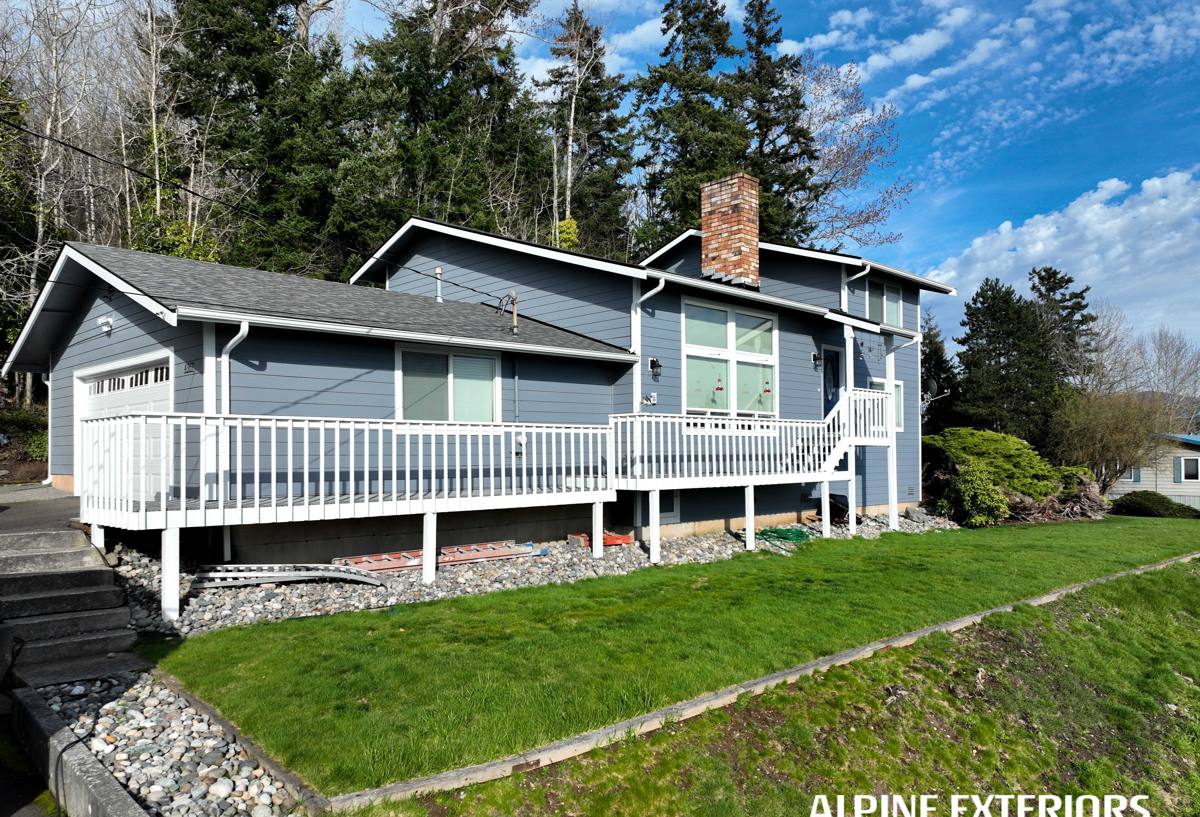
What Clear Lake's Climate Does to a Roof
Skagit County's broader climate — driving rain off the Sound, long stretches of overcast skies, and a moss season that can run most of the year — is hard enough on a roof. Clear Lake adds its own layer on top of that. Heavy tree canopy means more shade, more standing moisture, and a steady drop of needles, cones, and leaf litter that collects in valleys and behind chimneys. Shaded, moisture-holding debris is moss's favorite starting point, and moss on an asphalt shingle roof isn't just cosmetic — it lifts shingle edges, holds water against the granule layer, and accelerates wear years before a roof would otherwise need replacing.
Even homes on Clear Lake that aren't directly on the water still sit inside Skagit County's marine-influenced weather pattern, which keeps humidity higher and drying time longer than you'd get further inland or in full sun. The practical effect is simple: a roofing job that would be fine in a drier, more open part of the state needs extra attention here — better ventilation, cleaner flashing work, and materials chosen with moss and moisture in mind, not just looks.
Signs a Clear Lake Roof Needs a Closer Look
Because so much of the damage here starts hidden — under moss, under debris, in a shaded valley you don't walk past every day — it's worth knowing what to check for before a small problem turns into a leak.
- Green or black streaking, or visible moss growth, especially on the north-facing or heavily shaded slopes
- Granules collecting in gutters or at the base of downspouts
- Shingles that look cupped, curled at the edges, or uneven from the ground
- Needle and leaf buildup sitting in valleys or against the chimney and vent flashing
- Soft or dark spots on interior ceilings, especially after a heavy rain stretch
- Daylight visible through the attic or soffit vents where there shouldn't be any
- A roof that's 18-20+ years old and has never had a full moss treatment or inspection
None of these mean a roof needs full replacement on the spot — but they're the reason we start every job with an honest inspection instead of a sales pitch.
What a Correct Asphalt Shingle Roofing Job Involves
Tear-Off and Deck Inspection
We don't install new shingles over old ones, and we don't recommend it here. Layering over an existing roof traps moisture that a shaded, high-humidity lake community can't dry out on its own. A full tear-off also lets us see the actual deck — soft spots, rot around old flashing, or water staining that tells us where a past leak was — and address it before it's covered up again for another 20 years.
Underlayment and Ice-and-Water Protection
Given the amount of driving rain Skagit County gets, we use a synthetic underlayment across the full roof and self-adhering ice-and-water membrane at the eaves, valleys, and around every penetration — chimneys, skylights, plumbing vents. These are the spots where wind-driven rain finds its way in first, and they're the spots that get skipped on a rushed job.
Ventilation
A shaded roof that can't breathe holds moisture longer, which feeds moss and shortens shingle life from underneath as well as on top. We check intake at the soffits and exhaust at the ridge or roof vents, and correct the balance where it's missing — this is one of the most common gaps we find on older Clear Lake homes.
Flashing and Valleys
Flashing around chimneys, walls, and valleys is where most roof leaks actually start, not in the open field of shingles. We install new metal flashing rather than reusing old pieces, and we pay particular attention to valleys, since that's exactly where needle and leaf debris collects and holds moisture against the metal.
Shingle Installation and Nailing
Correct nail placement and count matter more here than in a calmer climate — under-nailed shingles are the ones that lift in a windstorm off the lake. We follow manufacturer nailing patterns exactly, which also keeps the material warranty intact if you ever need it.
Choosing the Right Shingle for a Shaded, Moss-Prone Roof
Not every asphalt shingle is built the same way, and for a property like a Clear Lake home, that difference matters more than it would in a drier climate.
| Shingle Type | Where It Fits | What to Know for Clear Lake |
|---|---|---|
| Standard 3-tab | Budget-conscious re-roofs | Lowest upfront cost, but thinner profile wears faster under constant shade and moss pressure |
| Architectural / dimensional | Most Clear Lake homes | Heavier, more durable, better wind rating — the practical standard for this area |
| Algae-resistant (copper-infused granules) | Heavily shaded or tree-covered lots | Worth the upgrade here specifically — slows moss and algae regrowth on the roofs that need it most |
| Impact-resistant (Class 4) | Homes with heavy overhanging limbs | Adds resistance to falling branch and debris damage; higher upfront cost, sometimes offset by insurance discounts |
Manufacturers like GAF, Owens Corning, and CertainTeed all offer algae-resistant lines within their standard architectural shingle products, so this upgrade doesn't usually mean a different look — just better material for a shaded roof. We'll walk through the honest tradeoffs for your specific roof rather than pushing the most expensive option by default.
What Affects Your Estimate
Every Clear Lake roof is a little different, but a few factors consistently move the estimate up or down. Knowing them ahead of time makes for a more useful conversation when we walk your roof.
| Factor | Why It Matters |
|---|---|
| Number of existing layers | Multiple layers mean more tear-off labor and disposal |
| Deck condition | Rot or soft sheathing found during tear-off adds repair before new shingles go on |
| Roof pitch and access | Steeper roofs and limited driveway/tree access take longer and require more safety setup |
| Ventilation gaps | Adding or correcting intake/exhaust venting is common on older homes and worth the cost |
| Valley and flashing count | More valleys, chimneys, and skylights mean more detail work, which is where leaks start |
| Shingle tier chosen | 3-tab, standard architectural, and algae-resistant/impact-rated lines each carry a different material cost |
Our Process
Inspection and Estimate
We walk the roof, not just look at it from the driveway. That means checking the deck where we can, noting moss and debris patterns, and looking at ventilation and flashing condition — then giving you a written estimate that explains what we found, not just a number.
Protecting Your Property
Before tear-off starts, we protect landscaping, siding, and anything below the work area. Around a lake property with established plantings, this step gets more attention, not less.
Tear-Off and Installation
Full removal of the old roof, deck inspection and repair as needed, new underlayment and flashing, then the new shingle system installed to manufacturer spec — including nailing pattern and ventilation.
Cleanup and Walkthrough
We magnet-sweep for nails, clear debris, and walk the finished roof with you before we call the job done. If something doesn't look right to you, we want to hear it before we leave, not after.
Why a Crew That Already Works Clear Lake Matters
A roofing crew that only works dry, open, full-sun parts of the county will size up a Clear Lake roof the same way they size up any other roof — and miss the details that actually matter here. We've seen how fast moss re-establishes on a shaded north slope, which valleys collect the most needle debris, and where older homes around the lake tend to be short on attic ventilation. That's not a guess; it's pattern recognition from working this specific area, and it shows up in fewer callbacks and a roof that actually performs the way it's supposed to in this climate.
It also matters for logistics — tree-lined lots and lake-adjacent driveways sometimes need different staging and access planning than a standard suburban roof, and a crew that's done it before doesn't waste your time figuring that out on the fly.
Keeping Your New Roof Ahead of Moss and Moisture
A correctly installed asphalt shingle roof still needs a little seasonal attention in a place like Clear Lake, especially under heavy tree cover.
- Clear valleys and gutters of needles and leaves at least twice a year, more often under heavy conifer cover
- Have moss growth treated early rather than letting it establish and lift shingle edges
- Keep overhanging branches trimmed back to reduce shade, debris, and physical damage risk
- Check attic ventilation isn't blocked by insulation or debris after any attic work
- Schedule a walk-through inspection every few years, particularly after major windstorms
None of this requires a big annual budget — it's mostly about not letting moss and debris sit long enough to do damage.
Get a Straight Answer on Your Clear Lake Roof
Whether your roof needs a moss treatment, a repair, or a full replacement, we'll tell you honestly which one it is. If you're in Clear Lake or anywhere else around Skagit County, we're happy to walk your roof and put together a clear, no-pressure estimate — use the form below to get started.