 Skagit County
 Siding Replacement in Avon: Built for Delta Conditions, Not Just Any Siding Job
Avon sits on the flat, low-lying farmland of the Skagit River delta, close enough to the tidal flats of Skagit Bay that salt-tinged air is a regular part of the weather here, not an occasional visitor. Homes in this stretch of Skagit County deal with a specific combination of stresses: driving rain that comes in sideways off open fields with nothing to break the wind, salt air that accelerates corrosion on fasteners and trim, and a moss season that runs far longer than most homeowners expect. Siding replacement here isn't a cosmetic upgrade project — it's a chance to correct whatever the original siding wasn't built to handle in the first place.
We work throughout Skagit County, and Avon's low-elevation, high-moisture conditions are some of the more demanding we see in the service area. That shapes everything from the materials we recommend to how we detail flashing and clearances during installation.
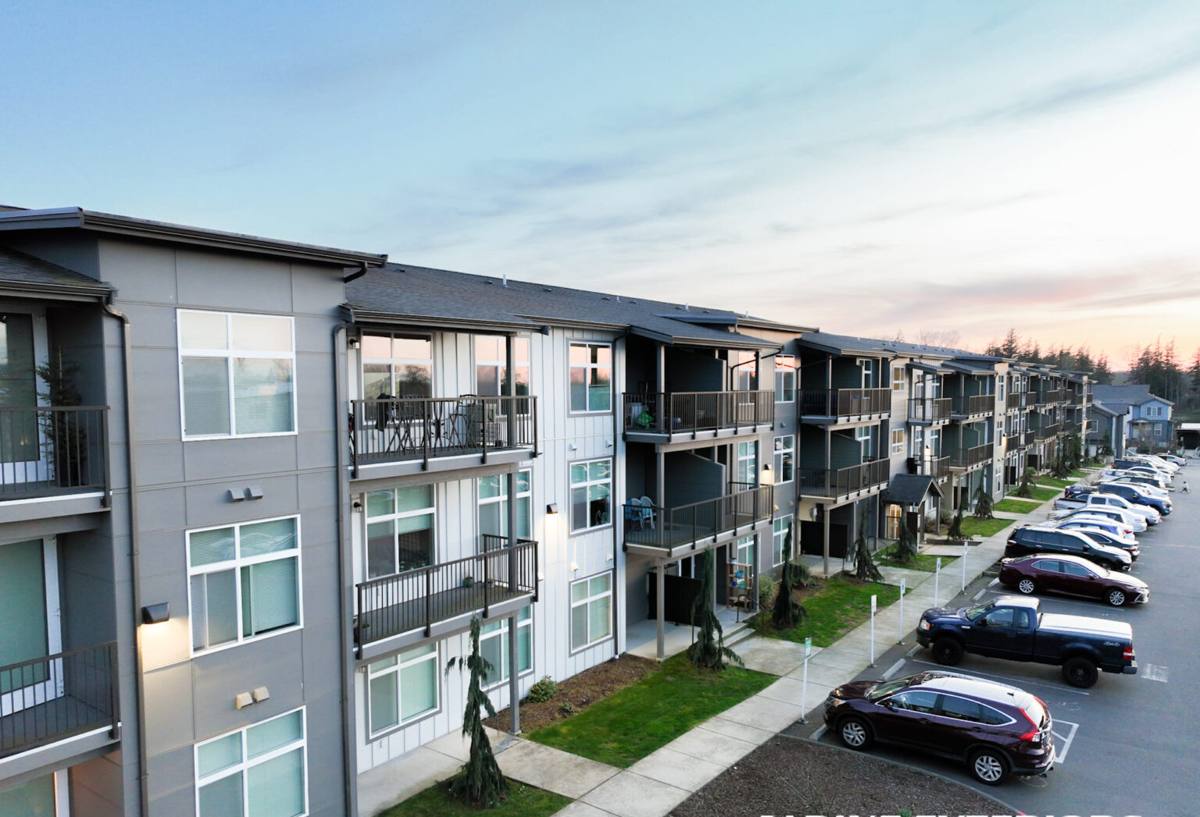
Why Salt Air, Rain, and Moss Are a Tough Combination for Siding
Any one of these three stressors is manageable on its own. Together, over years, they compound each other in ways that shorten the life of ordinary siding.
Salt Air and Corrosion
Salt-laden air carries fine chloride particles that settle on exterior surfaces and accelerate the corrosion of exposed metal — nail heads, staples, flashing, and hardware. Once a fastener starts to rust, it can bleed a stain down the face of the siding and eventually lose its grip, which is one of the more common causes of siding panels working loose over time in this part of the county.
Driving Rain and Water Intrusion
Avon's open, flat terrain means wind-driven rain hits walls at an angle instead of falling straight down. That pushes water into any gap in the siding system — at seams, around windows, behind poorly lapped boards — far more aggressively than a calm rain would. Once water gets behind the cladding, the sheathing and framing underneath are what actually pay the price.
The Long Moss Season
Between the marine humidity, the shade from mature trees and hedgerows common on delta properties, and days on end without direct sun in the fall and winter, moss and algae get a long runway to establish themselves on north-facing and shaded walls. Moss holds moisture against the siding surface, and on materials that aren't dimensionally stable or that absorb water, that constant dampness accelerates rot, paint failure, and warping.
Signs an Avon Home's Siding Needs Replacing
Not every siding problem calls for a full replacement, but several signs together usually mean patching won't hold for long. Here's what we look for during an on-site evaluation:
- Soft or spongy spots when you press on the siding, especially near the bottom courses and around window and door trim
- Visible cupping, bowing, or warping in individual boards or panels
- Paint that's peeling, bubbling, or failing repeatedly in the same spots year after year
- Persistent moss or dark streaking on shaded or north-facing walls that comes back soon after cleaning
- Rust staining running down from nail heads or metal trim
- Gaps opening up at seams, corners, or where siding meets trim boards
- Rising energy bills alongside noticeable drafts near exterior walls
- Visible damage to the sheathing or framing once a section of siding is pulled back
If you're seeing two or more of these, it's worth having someone look at the wall assembly, not just the surface — the siding is often the messenger, not the whole story.
What a Correct Siding Replacement Actually Involves
A siding replacement done right is a wall system project, not a panel-swap. Skipping any of the following steps is how a new-looking exterior ends up with the same underlying problems a few years later.
Tear-Off and Inspection
Full removal of the old siding lets us see the sheathing, framing, and any existing water-resistive barrier underneath. This is the point where hidden rot, past water damage, or inadequate flashing gets found — and it's much cheaper to fix while the wall is already open than to discover it later.
Repair and Weather Barrier
Any damaged sheathing or framing gets repaired before anything new goes on. Then a continuous, properly lapped weather-resistive barrier goes down, with special attention to how it integrates with window and door flashing — this is the layer that actually stops bulk water, and it matters more in a wind-driven-rain environment like Avon's than almost anything visible on the finished wall.
Flashing Details
Every penetration — windows, doors, hose bibs, vents, light fixtures — needs flashing that sheds water down and out, not into the wall. Given the salt air here, we pay close attention to fastener and flashing material choices so corrosion isn't quietly undermining the new siding from year one.
Proper Clearances
Siding installed too close to grade, decks, or roof lines wicks up moisture and stays damp longer — exactly the conditions that feed moss and rot. Manufacturer-specified clearances aren't a suggestion; they're one of the most common things we correct on older Skagit County homes.
Installation to Manufacturer Spec
Fastener spacing, board overlap, caulking at the right joints (and not at the wrong ones), and factory-finish touch-up procedures all affect both appearance and warranty coverage. This is where experience with the specific product line shows up most.
Our Siding Replacement Process, Start to Finish
- On-site evaluation — we walk the exterior, check problem areas you've noticed, and look at conditions specific to your lot (shade, drainage, wind exposure)
- Straightforward estimate — a clear scope and price range, explained in plain terms, no pressure to sign on the spot
- Material and color selection — choosing the right James Hardie product line and ColorPlus finish for the home and its exposure
- Tear-off and structural check — old siding removed, sheathing and framing inspected and repaired as needed
- Weather barrier and flashing — the part of the job that determines whether the wall stays dry for the next 30-plus years
- Installation to spec — proper fastening, clearances, and joint treatment following manufacturer requirements
- Final walkthrough — we review the finished work with you before calling the job done
Why We Install Only James Hardie Fiber Cement
We standardized on James Hardie fiber cement siding for every job we do, including here in Avon, because it's the product we trust to hold up against exactly the conditions this area throws at it. It's non-combustible, dimensionally stable in wet-dry cycling, and the ColorPlus factory finish is engineered to resist fading and moisture intrusion better than field-applied paint. Hardie's HZ5 product line, in particular, is engineered for climates with significant moisture exposure — which describes the Skagit delta well.
That's a deliberate trade-off against materials we don't install. Vinyl is lower-cost up front but can warp in temperature swings and doesn't offer the same fire resistance. Wood and primed spruce look great initially but need ongoing paint maintenance that's hard to keep up with in a climate this wet and shaded. We'd rather be honest about that up front than sell a product we don't think performs here.
| Material | Moisture Performance in Wet Climates | Maintenance Burden | Fire Resistance |
|---|---|---|---|
| James Hardie fiber cement | Strong — dimensionally stable, factory-sealed finish | Low — occasional wash, no repainting cycle | Non-combustible |
| Vinyl siding | Fair — can trap moisture behind panels if not detailed well | Low, but prone to warping/fading over time | Combustible |
| Wood / primed spruce | Weak without diligent upkeep — absorbs moisture | High — regular repainting and sealing needed | Combustible |
| LP SmartSide | Moderate — engineered wood, sensitive to cut-edge sealing | Moderate — edge and seam maintenance is critical | Combustible |
Cost Factors for Avon Siding Replacement Projects
Every home is different, so we don't quote sight-unseen, but these are the main variables that move a project's price up or down:
| Factor | Why It Matters |
|---|---|
| Home size and wall complexity | More corners, dormers, and cutouts mean more labor and material waste |
| Extent of hidden damage | Rotted sheathing or framing found during tear-off adds repair scope |
| Siding profile and accessories | Trim boards, soffit work, and specialty profiles add cost over basic lap siding |
| Access and site conditions | Tight lot lines, landscaping, or multi-story walls affect staging and labor time |
| Color and finish selection | Factory ColorPlus finishes vary slightly by line and color depth |
Why Hiring a Crew That Already Works in Avon and Skagit County Matters
A lot of siding problems we get called out for aren't material failures — they're installation shortcuts that only show up years later. A crew that regularly works this part of Skagit County already knows to plan for wind-driven rain exposure on open, unshielded walls, to choose fasteners and hardware that hold up against salt air, and to size clearances and drainage paths so shaded walls don't stay damp long enough to grow moss again in year two. That local pattern-recognition is hard to get from a crew that mostly works drier, more sheltered parts of the state.
It also means we're not guessing at how a product performs here — we've seen how James Hardie siding, installed to spec, holds up on delta-adjacent properties over the years, and we can talk through real trade-offs instead of a sales pitch.
Practical Checklist: Vetting a Siding Contractor in Skagit County
- Do they explain the weather barrier and flashing plan, or just talk about the visible siding?
- Are they licensed and insured for work in Washington State?
- Do they have experience with James Hardie's specific installation requirements, not just "fiber cement" generally?
- Will they put the scope, materials, and clearances in writing?
- Do they walk the finished job with you before considering it complete?
Maintaining Your Siding After Replacement
Even the right material benefits from basic upkeep in this climate. A yearly rinse-down of shaded walls helps keep moss from establishing a foothold, and a quick visual check after major storms — looking for loose trim, damaged flashing, or gaps at seams — catches small issues before they become water intrusion problems. James Hardie's factory finish reduces the maintenance burden significantly compared to field-painted materials, but it isn't a reason to ignore the walls entirely.
If you're noticing warning signs on your Avon home, or you're just planning ahead for a siding project, we're happy to take a look and give you a straightforward assessment. Reach out for a free, no-pressure estimate — there's a form right below to get started.