 Skagit County
 Windows Built for Burlington's Climate, Not Just Any Climate
Burlington sits in a stretch of Skagit County where the weather doesn't do anything in half measures. You get long stretches of steady rain, damp air blowing in off the water, and a moss season that seems to start earlier and last longer every year. Windows here don't fail the way they do in drier climates — they fail from the outside in, through the frame, the seals, and the flashing details most homeowners never think about until there's a soft spot on the sill or a musty smell in the room.
Salt air and slow corrosion
Coastal-influenced air carries fine salt and moisture that settles on hardware, fasteners, and metal components. It's a slow process, but over years it pits cheap hinges, corrodes uncoated screws, and degrades weep systems that are supposed to let water drain back out of the frame. Windows chosen without this in mind tend to develop hardware problems long before the glass or frame itself gives out.
Driving rain and wind-driven moisture
Storms in this part of Skagit County rarely come straight down. Wind pushes rain sideways against west- and south-facing walls, which puts real pressure on every seam, joint, and sealant line around a window opening. A window that would perform fine in a calmer climate can leak here simply because the installation didn't account for wind-driven water finding its way behind the trim.
Moss season and its side effects
Moss doesn't grow on window glass, but it grows on the surfaces around windows — trim, sills, and siding — and it holds moisture against those surfaces for months at a time. That constant dampness is hard on wood trim and can wick into a window opening if the flashing and sealant weren't done correctly the first time. A lot of the "window problems" we get called out for in Burlington are really trim and flashing problems that show up around the window.
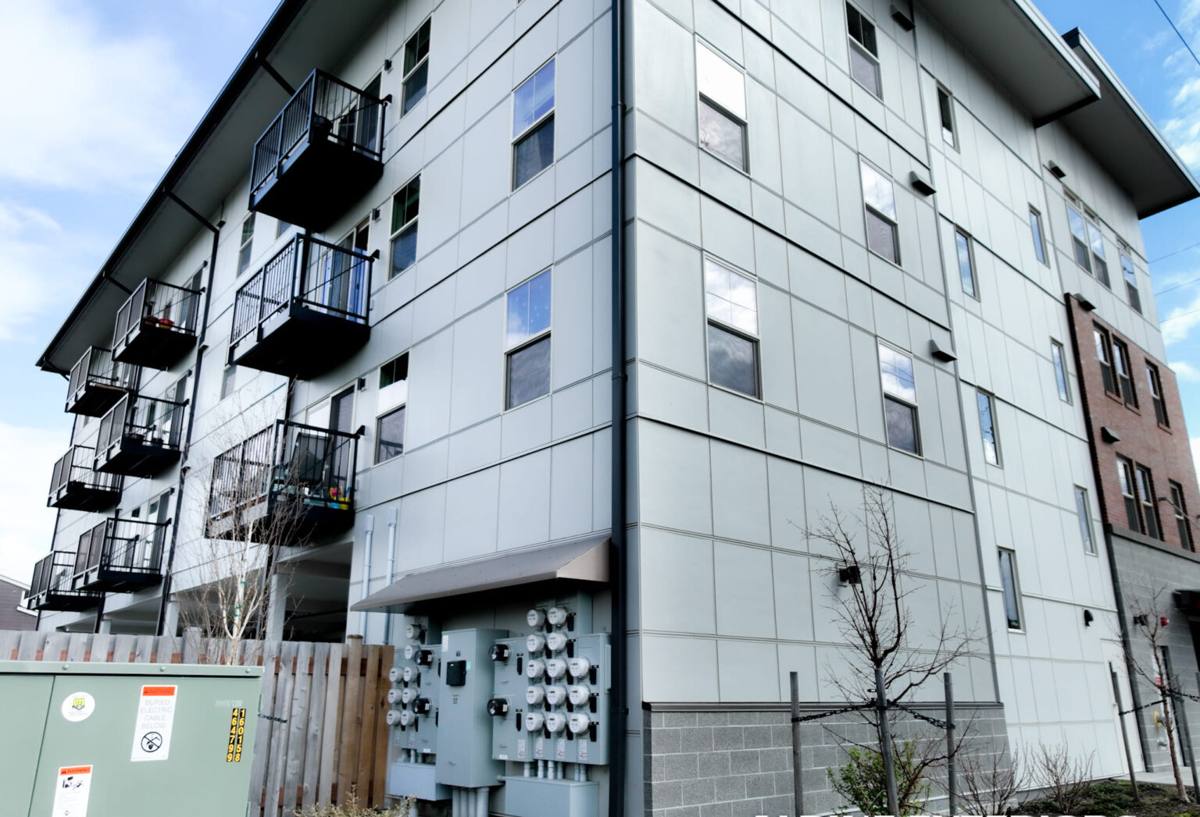
What "Custom" Really Means
"Custom windows" gets used loosely in this trade, so it's worth being specific about what it means for a Burlington home.
Custom sizing vs. stock sizing
Most homes in this area, especially older ones, don't have openings that match modern stock window sizes exactly. Custom sizing means the window is built to fit your actual opening rather than forcing your opening to fit a standard window through extra trim, packing, or filler panels. That matters for both appearance and performance — every gap filled with trim instead of a properly sized unit is a future spot for air and water to find a way in.
Custom doesn't mean unlimited options
Custom does not mean every material, shape, or configuration is automatically the right call for your house. Part of doing this job honestly is telling you when a certain frame material, grid pattern, or glass package doesn't make sense for your home's exposure, your budget, or Skagit County's climate — even if it's technically available.
Signs Your Current Windows Are Working Against You
Homeowners often live with window problems for years because the symptoms show up gradually and get blamed on other things. Watch for:
- Condensation forming between the panes (a sign the seal has failed, not just a humidity issue)
- Soft or discolored trim and sill wood, especially on walls that face prevailing wind and rain
- Drafts you can feel near the frame even when the window is fully latched
- Windows that are difficult to open, close, or lock — often a sign the frame has shifted or swollen
- Rising heating bills without a clear cause elsewhere in the house
- Visible gaps between the window frame and exterior trim or siding
- Musty odor near window openings after extended rain
Frame Material Comparison for Burlington Homes
There's no single "best" window material — the right choice depends on your home's exposure, your maintenance appetite, and your budget. Here's how the common options hold up in this specific climate:
| Material | Moisture Resistance | Maintenance | Notes for This Climate |
|---|---|---|---|
| Vinyl | Good — won't rot or corrode | Low | Reliable, cost-effective choice for most Skagit County homes; quality varies a lot between manufacturers |
| Fiberglass | Very good | Low | Handles temperature swings and moisture well; higher upfront cost, longer service life |
| Wood-clad | Depends entirely on the cladding and seal quality | Moderate to high | Attractive, but the interior wood core is vulnerable if any seal or cladding fails over time |
| Aluminum | Fair — prone to corrosion near salt air over time | Moderate | Conducts cold and can condensate more; we use it selectively, not as a default |
We'll walk through these trade-offs with you directly rather than steering you toward whatever is easiest to install. The right material is the one that matches how much sun, wind, and rain your specific walls actually get.
What a Correct Installation Involves
The window unit itself is only part of the job. In a climate like this, the installation details are what determine whether you get ten trouble-free years or a callback in eighteen months.
Flashing and weatherproofing sequence
Flashing has to be layered correctly — each piece overlapping the one below it, so water sheds outward and downward no matter which direction it's driven from. Done out of order, flashing can actually funnel water into the wall instead of away from it.
Sill pan and drainage
A sill pan at the bottom of the opening gives any water that does get past the exterior seal a way to drain back out instead of soaking into the framing. This is a small, inexpensive step that gets skipped more than it should, especially on faster jobs.
Sealing without trapping moisture
More sealant is not always better. Sealing the wrong spots can trap moisture inside the wall assembly instead of letting it escape, which causes hidden rot you won't see until the damage is significant. Correct installation seals where it should and leaves drainage paths open where it needs to.
Our Process, Start to Finish
- On-site assessment — we look at your existing windows, openings, framing condition, and exposure before recommending anything
- Honest material and product discussion — options that fit your home and budget, with the trade-offs explained plainly
- Precise measurement — every opening measured individually since older Burlington homes rarely have perfectly uniform openings
- Removal and inspection — old windows come out carefully so we can check framing and sheathing for hidden moisture damage before it's covered back up
- Correct flashing, sill pan, and sealing — done in the right order, not shortcuts to save time
- Installation and adjustment — window set, shimmed, and adjusted so it operates smoothly and seals evenly
- Final walkthrough — we show you the finished work and explain any maintenance specific to the materials chosen
Cost Factors to Expect
Every home is different, so we don't quote pricing sight unseen — but these are the main factors that move the number up or down:
| Factor | Effect on Cost |
|---|---|
| Frame material chosen | Vinyl is typically the most affordable; fiberglass and wood-clad run higher |
| Number and size of openings | More or larger windows increase material and labor cost proportionally |
| Condition of existing framing | Hidden rot or damage found during removal adds repair work before the new window goes in |
| Glass package | Upgraded glass (extra panes, coatings) adds cost but can improve comfort and energy performance |
| Custom shapes or configurations | Non-standard shapes, grids, or operating styles typically cost more than straightforward replacements |
Maintaining Your Investment
Custom windows installed correctly still need occasional attention in this climate. Rinse frames and tracks periodically to clear salt residue and organic buildup. Keep weep holes clear of debris and moss so water can drain as designed. Check exterior caulking lines once a year, since UV exposure and constant moisture cycling break down sealant faster here than in drier regions. None of this is heavy work, but skipping it is how small issues turn into frame or trim replacement down the road.
Why a Local Skagit County Crew Matters
A crew that works Burlington and the surrounding area regularly already knows which walls take the worst of the weather, which older homes tend to have framing surprises behind the trim, and which installation details actually matter here versus in a milder climate. That's not something you get from a general contractor passing through once. It shows up in fewer callbacks, fewer surprises during removal, and windows that are actually built for the conditions they'll face for the next couple of decades.
If you're weighing custom window options for a Burlington home, we're happy to take a look and give you a straightforward, no-pressure estimate — just fill out the form below.