 Skagit County
 Custom Decks Built for Cedardale's Marine Climate
Cedardale sits in a part of Skagit County where the weather doesn't do a deck any favors. Salt-tinged air off the Sound, long stretches of driving rain, and a moss season that can run from October well into spring all work against wood, fasteners, and finishes year-round. A deck built the way it might be in a drier inland climate — standard lumber, minimal flashing, off-the-shelf hardware — tends to show problems within a few seasons out here: soft spots, streaking, slick green film underfoot, and rust bleeding out of screw heads. A deck built for this specific climate holds up the way it's supposed to.
This page covers what actually matters when a custom deck is built for a Cedardale property: material choices that make sense for Skagit County's moisture and salt exposure, the structural details that keep water from doing damage where you can't see it, and the process we follow from first site visit to final walkthrough.
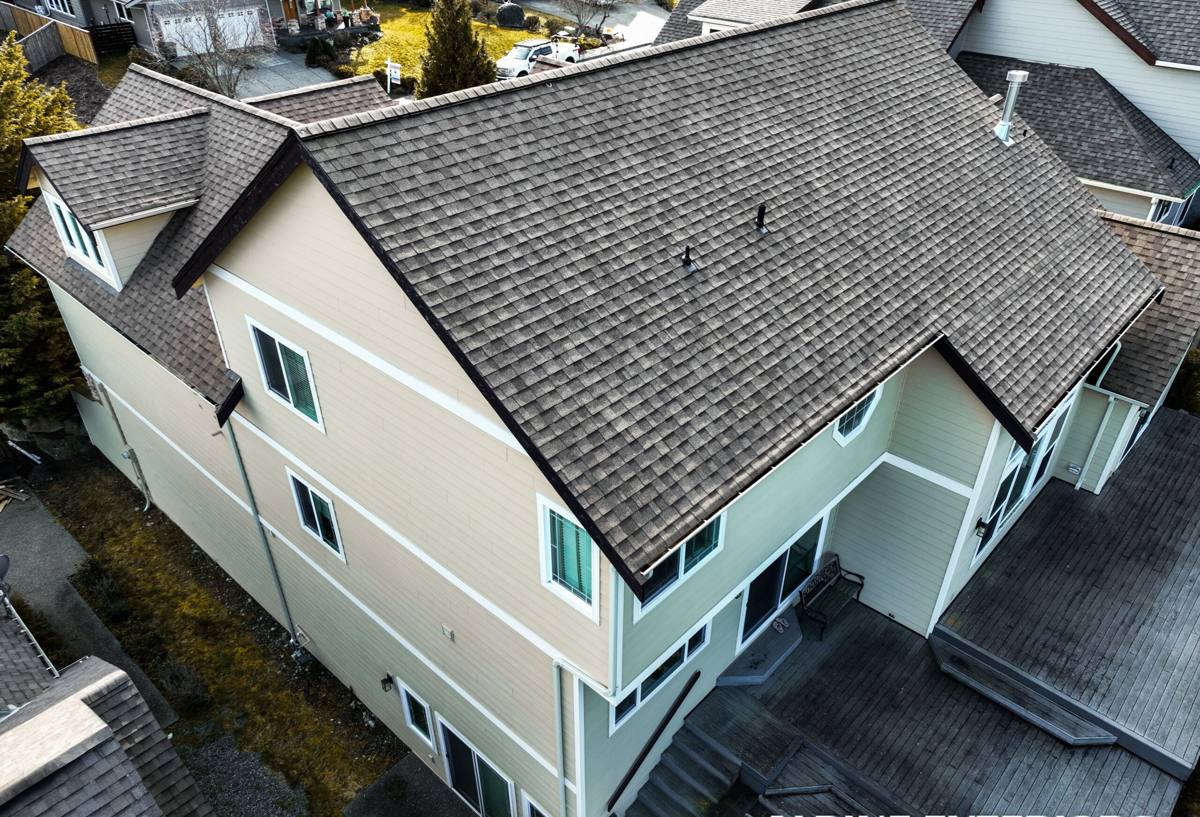
What Puget Sound Weather Does to an Unprotected Deck
Moisture and Slow Rot
The bigger issue in this climate isn't any single storm — it's the number of days a deck stays damp. Wood that dries out quickly between rains holds up fine. Wood that stays wet for days at a stretch, especially where two boards meet or where a ledger board attaches to the house, starts to break down from the inside before it ever looks bad on the surface. By the time rot is visible, it's usually been developing for a year or more.
Salt Air and Metal Hardware
Cedardale's proximity to the Sound means a steady, low-level exposure to salt-carried moisture in the air. It's not the same as a beachfront property getting direct spray, but it's enough to accelerate corrosion on hardware that isn't rated for it. Standard zinc-coated screws and joist hangers can start rusting within a couple of years in this environment, and a rusting fastener loses holding strength long before it looks obviously bad.
Moss, Algae, and Slip Risk
Skagit County's moss season is long, and a deck surface that stays shaded or doesn't drain well will grow a fine layer of algae that's genuinely dangerous underfoot when wet — more so than most homeowners expect. This is as much a design and drainage issue as it is a cleaning chore.
Choosing the Right Decking Material for This Climate
There's no single "best" decking material — the right choice depends on how much maintenance you're willing to do, your budget, and how much sun or shade the deck gets. Here's how the common options actually perform in a Skagit County marine climate:
| Material | Moisture & Moss Resistance | Maintenance | Typical Lifespan |
|---|---|---|---|
| Cedar | Naturally rot- and insect-resistant, but surface needs upkeep | Annual cleaning and re-sealing recommended | 15–25 years with upkeep |
| Pressure-treated fir/hem-fir | Treated core resists rot; surface still absorbs moisture | Regular cleaning, periodic sealing | 15–20 years with upkeep |
| Composite decking | Very good moisture resistance; can still grow surface algae in shade | Periodic washing, no sealing or staining | 25–30+ years, manufacturer-dependent |
| PVC/capped polymer | Excellent moisture resistance, fully sealed surface | Occasional washing | 25–30+ years, manufacturer-dependent |
Composite and capped polymer boards cost more up front but make sense for owners who want to spend weekends using the deck instead of maintaining it. Cedar and treated lumber cost less initially and give a natural look many Cedardale homeowners prefer, but they only perform well if the annual cleaning and sealing actually happens. We'll walk through the honest trade-offs for your specific site — sun exposure, tree cover, and budget all factor in — rather than pushing one product line.
Framing and Substructure: What's Underneath Matters Most
The decking surface is what you see, but the framing underneath is what determines whether the deck is still solid in fifteen years. This is where a lot of corners get cut on lower-bid jobs, and it's also where Skagit County's wet climate does the most damage if it's done wrong.
Footings and Frost Depth
Footings need to be sized and set to local frost depth and soil conditions, not just poured to a minimum-looks-fine depth. Skagit County's clay-heavy soils in some areas also hold water longer than sandy soil, which affects how footings are set and drained.
Ledger Attachment and Flashing
The ledger board — where the deck attaches to the house — is the single most common failure point on decks in this climate. It needs proper flashing that directs water away from the house's wall assembly, not just caulk over lag bolts. A poorly flashed ledger can let water into the house framing for years before anyone notices, which turns a deck problem into a much more expensive repair.
Joist Spacing, Blocking, and Drainage
Joist spacing needs to match the decking material's span rating, and gaps between boards need to be sized so water actually drains through rather than pooling. We also grade and, where needed, add drainage below the deck so water moving through the boards has somewhere to go instead of sitting against the framing.
How We Build a Custom Deck in Cedardale
Every property is different, but the process follows the same sequence:
1. Site Evaluation and Design
We walk the property, look at drainage patterns, sun and shade exposure, existing structure attachment points, and how you actually plan to use the space. Design decisions — size, layout, railing style, decking material — get made with this specific site's exposure in mind, not a generic template.
2. Permitting
We handle the permit application through the applicable Skagit County or local jurisdiction process before any construction starts.
3. Excavation and Footings
Footings are dug to proper depth and inspected before concrete goes in, sized appropriately for the deck's load and local soil conditions.
4. Framing
Ledger flashing, joist layout, and blocking go in first. This stage is largely invisible once the deck is finished, which is exactly why it gets done right the first time.
5. Decking, Railing, and Fasteners
Decking boards go down with corrosion-resistant fasteners appropriate to the material, spaced for drainage. Railings are installed to current code height and baluster spacing requirements.
6. Final Walkthrough
We walk the finished deck with you, cover basic care for whatever material was installed, and make sure everything meets both code and your expectations before we call the job done.
Permits and Code Requirements
Most decks attached to a house, or built more than a modest height above grade, require a building permit in Skagit County jurisdictions, along with inspections at the footing and framing stages. Railing height, baluster spacing, and guard requirements are set by code and aren't optional design choices, regardless of the look a homeowner might prefer. Skipping permits on an attached deck can also create problems later — at resale, or with insurance, if the structure was never inspected. We handle the permit and inspection process as a standard part of the job rather than treating it as an extra step.
Hardware and Fasteners for a Marine Climate
Given Cedardale's proximity to the Sound, we treat fastener and hardware selection as a real decision, not an afterthought. Stainless steel or heavy hot-dip galvanized fasteners and structural connectors hold up far better than standard coated hardware in salt-influenced air. The cost difference on a typical deck is modest compared to the labor cost of replacing a deck early because fasteners failed first. The same logic applies to joist hangers, post bases, and any structural steel connectors used in the frame — they're all exposed to the same air the visible hardware is.
Keeping a Cedardale Deck in Good Shape
Material and construction quality only get you so far — ongoing care matters, especially through a long moss season. A basic seasonal routine goes a long way:
- Sweep leaves and debris off the deck regularly in fall, before they trap moisture against the boards
- Keep gutters and downspouts near the deck clear so water isn't dumping directly onto or under it
- Wash the surface at least once a year to remove early moss and algae growth before it gets established
- Check wood decking for soft spots, splitting, or fastener heads working loose, particularly near the ledger and stairs
- Re-seal or re-stain wood decking on the manufacturer or product's recommended cycle, not just when it visibly looks dry
- Inspect railings and post connections annually — these take structural load and loosen over time
- Confirm the ledger flashing and the siding above it are still intact and not letting water track behind them
Why a Local Crew Matters for This Job
A deck built by a crew that doesn't normally work in Skagit County's marine climate can still look fine on the day it's finished — the problems that come from wrong fastener choices, inadequate flashing, or drainage that doesn't account for driving rain and moss growth show up months or years later. A crew that already builds decks in and around Cedardale has already seen how local soil, moisture patterns, and salt-air exposure affect a structure over time, and builds accordingly from the start rather than learning it the hard way on your project.
That local experience also matters for the practical side of the job: knowing the permitting process for this jurisdiction, understanding typical site conditions in this area, and being available for follow-up if a question comes up after the job is done.
Get a Free Estimate
If you're planning a new deck or replacing an aging one in Cedardale, we're glad to come take a look, walk through material options for your site's sun and moisture exposure, and give you a straightforward estimate — no pressure, no obligation. Use the form below to get started.