 Skagit County
 Roof Repair Built for Clear Lake Conditions
Clear Lake sits in a part of Skagit County where roofs work harder than most people realize. Between the tree canopy that shades many homes near the water, the humidity that comes off the lake itself, and the broader Skagit County weather pattern of driving rain, salt-tinged coastal air, and a moss season that can run most of the year, roofing materials here take a steady beating. A roof that would last decades in a dry, sunny climate can start showing real problems in half that time if it isn't maintained and repaired correctly for this environment.
That's the backdrop for every repair job we do in the area. We're not treating Clear Lake roofs like generic roofs that happen to be in Washington. We're treating them like roofs that live under trees, next to water, and under a lot of rain — because that's what they are.
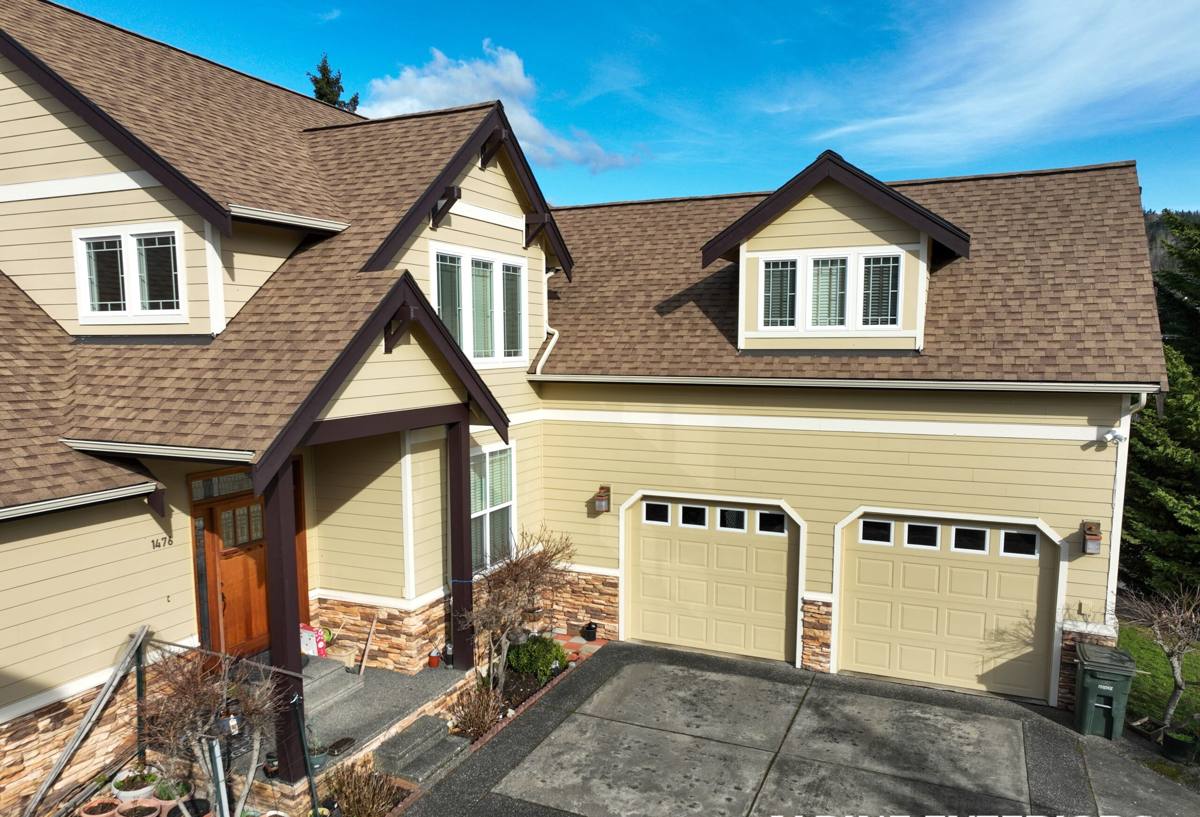
Why Local Homes Need More Than a Patch
A lot of roof repair calls in this area start the same way: a stain on a ceiling, a shingle spotted in the yard after a windstorm, or moss that's gotten thick enough to worry someone. The instinct is often to find the one spot that looks wrong and patch it. That approach can work for a simple, isolated problem. But on a roof that's been sitting under trees and taking on moisture for years, the visible problem is frequently a symptom of something happening across a wider section of the roof.
Moss holds water against the shingle surface long after the rain has stopped. Over time that constant dampness breaks down the granules that protect asphalt shingles from UV and weather, and it can work its way under shingle edges and flashing. By the time a leak shows up inside the house, the underlying damage is often more spread out than the ceiling stain suggests. A repair that only addresses the leak point without checking the surrounding area tends to be a repair you're paying for again in a year or two.
Common Repair Triggers We See in the Clear Lake Area
- Moss and moisture damage along shaded slopes and north-facing roof planes
- Flashing failures around chimneys, vents, and skylights after years of wind-driven rain
- Shingles lifted or torn loose by winter windstorms
- Granule loss and brittle, cracking shingles on older roofs
- Clogged gutters and valleys causing water to back up under roofing material
- Soft spots or sagging decking from long-term, undetected moisture intrusion
What a Correct Roof Repair Actually Involves
A repair done right isn't just swapping out a damaged shingle. It starts with figuring out how water is actually moving across that section of roof, because water rarely stays where the damage shows up. A proper repair process looks at the full picture before any material comes off or goes on.
Assessment First
We look at the roof deck condition, not just the shingle surface. Soft or spongy decking under a repair area means the fix has to go deeper than a shingle swap — the underlying structure needs attention or the new material will just fail again. We also check flashing, valleys, and any penetrations (vents, chimneys, skylights) near the problem area, since these are the most common places water actually gets in, even when the visible damage is elsewhere.
Matching Materials Correctly
Shingle color and profile change over the years, and a mismatched patch stands out and can also perform differently than the surrounding roof. Where an exact match isn't available, we talk through the options honestly rather than installing something that looks obviously out of place.
Sealing and Flashing Detail Work
Most repair failures we're called to fix a second time trace back to flashing and sealant work that wasn't done carefully the first time. Flashing needs to be integrated with the shingle layers correctly, not just caulked over the top. Caulk is a short-term fix, not a repair.
Moss, Trees, and Shade: The Clear Lake Reality
Homes near Clear Lake often sit close to mature trees, and that shade and organic debris create conditions that push moss growth much faster than a roof in full sun would see. Moss isn't just a cosmetic issue. As it spreads, it lifts shingle edges, holds moisture against the roof surface, and can accelerate wear well beyond what the shingle's age would suggest.
Why Moss Removal Alone Isn't a Fix
Scraping moss off a roof without addressing what caused it — usually shade, poor airflow, or debris buildup in valleys and gutters — just buys time before it returns. When we repair a roof with a moss problem, we also look at whether zinc or copper strips, better gutter maintenance, or minor trimming (on the homeowner's side, for branches overhanging the roof) would meaningfully slow regrowth. We're honest when a moss problem is more of a maintenance issue than a repair issue, and vice versa.
Our Roof Repair Process
- Inspection and honest assessment. We walk the roof (or use appropriate access methods for pitch and safety) and document what we find, including areas that aren't yet failing but are worth watching.
- Clear explanation of options. We explain what's actually wrong, what a proper repair involves, and — if the roof is old enough or damaged enough that repair isn't the smart long-term move — we'll say so rather than patching something that needs full replacement.
- Written estimate. No pressure, no scare tactics. You get a clear scope of work and price before anything starts.
- The repair itself. Proper tear-out of damaged material, deck inspection and repair if needed, correct flashing integration, and matched roofing material installed to manufacturer specification.
- Cleanup and final check. We clear debris and old material from the property and do a final walkthrough of the completed work.
Repair vs. Replacement: What Actually Drives the Decision
Not every roof problem calls for full replacement, and not every roof problem is fixable with a simple patch. The right call depends on a handful of factors we walk through with every homeowner.
| Factor | Favors Repair | Favors Replacement |
|---|---|---|
| Roof age | Under roughly 12-15 years (asphalt) | Nearing or past expected material lifespan |
| Extent of damage | Isolated to one section or area | Spread across multiple slopes or the whole roof |
| Decking condition | Solid, no widespread soft spots | Multiple areas of rot or moisture damage |
| Shingle condition overall | Rest of roof still has granule coverage and flexibility | Brittle, curling, or bald shingles across most of the roof |
| History of repairs | First or second repair on this roof | Repeated repairs to the same areas over a few years |
We'll never sell a full replacement when a solid repair is the honest answer, and we'll never keep patching a roof that's telling us it's done. The goal is spending your money where it actually solves the problem.
Why Hiring a Crew That Already Works Clear Lake Matters
Roofing problems here aren't generic. A crew that mostly works drier inland climates may not think twice about moss, shaded valleys, or the way lake-adjacent humidity keeps roofing material damp longer after a storm passes. That matters when it comes to diagnosing a leak correctly, choosing the right repair approach, and knowing which parts of a roof in this area tend to fail first.
It also matters for scheduling and response. Roof damage after a Skagit County windstorm doesn't wait for a convenient time, and a crew already working in and around Clear Lake and the surrounding communities can typically get to an active leak faster than a contractor coming from farther out.
Maintenance That Extends the Life of a Repair
A well-done repair still needs some basic upkeep to hold up under these conditions. This isn't about upselling ongoing service — it's the short list of things that actually make a difference here.
- Keep gutters and roof valleys clear of needles and leaf debris, especially heading into fall storms
- Have moss addressed before it spreads thick enough to lift shingle edges
- Trim back branches that overhang the roof to reduce shade and debris buildup
- After major windstorms, do a visual check (from the ground) for missing or lifted shingles
- Address small leaks quickly — a small, contained repair is almost always cheaper than the damage that comes from letting one sit
Get an Honest Look at Your Roof
If you're dealing with a leak, storm damage, moss buildup, or just want a straight answer on whether your roof needs repair or replacement, we're glad to take a look. We offer free, no-pressure estimates for homeowners in the Clear Lake area and throughout Skagit County — fill out the form below and we'll get back to you to schedule a time.