 Skagit County
 Why Anacortes Windows Take More Punishment Than Most
Anacortes sits right where Skagit County's landscape meets Rosario Strait and the San Juans, and that location comes with a trade-off. The same water views that make these homes desirable also mean windows here deal with salt-laden air, wind-driven rain that hits siding sideways instead of straight down, and a wet season that stretches longer than in most inland parts of the county. Add in the moss and algae growth that comes with all that moisture and shade, and you have a set of conditions that ages ordinary windows faster than the manufacturer's brochure ever accounts for.
None of this means Anacortes homes need exotic or overbuilt windows. It means the frame material, the flashing details, and the glass package all need to be chosen with this specific climate in mind, not picked off a generic list. A window that performs fine in a dry inland town can fail early here if it wasn't installed with coastal exposure in mind.
What "Custom" Actually Means for a Window Job
Custom doesn't have to mean unusual shapes or high-end architecture, though we do that too. Most of the custom window work we do in Anacortes falls into a few practical categories:
Exact-Fit Replacement
Older homes, especially anything built before standardized window sizing became common, rarely have openings that match today's off-the-shelf dimensions. Custom sizing means the new window is built to fit the existing rough opening properly, rather than forcing a stock size into a gap with shims and extra caulk.
Style and Function Matches
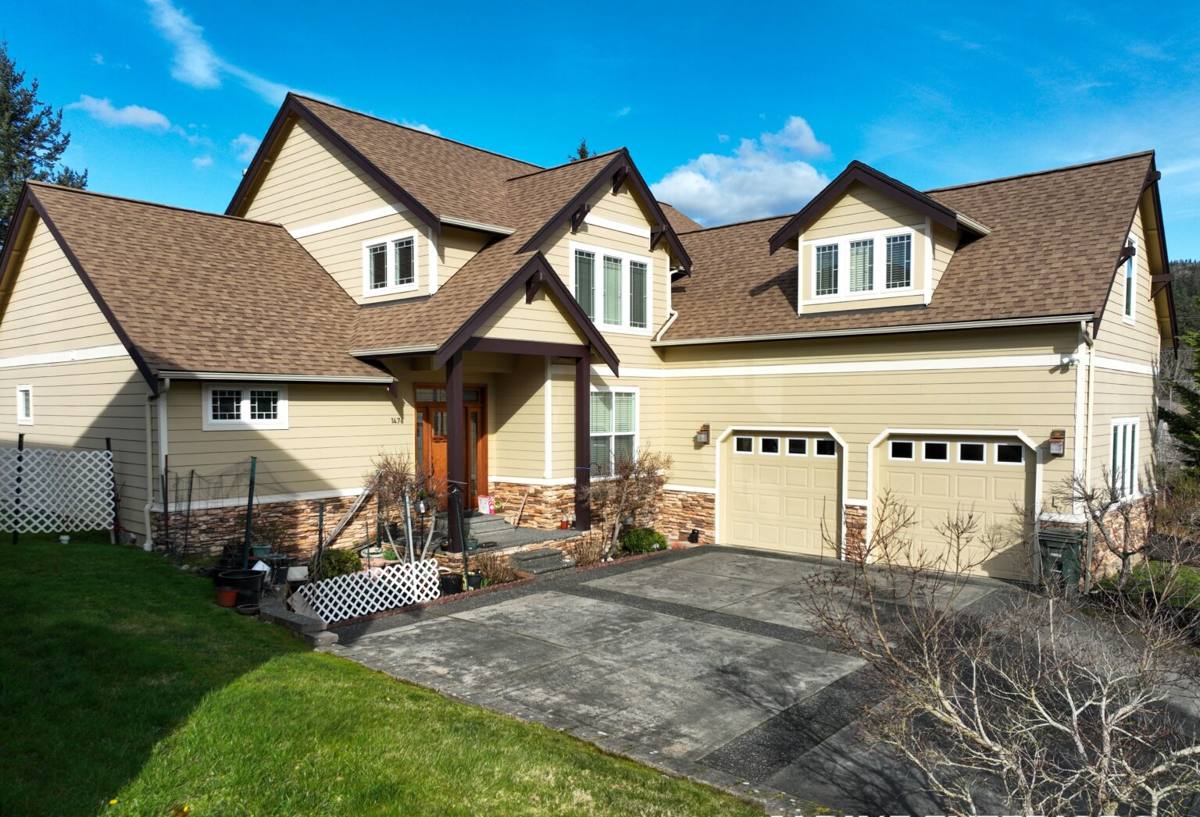
Coastal homes in this area range from older farmhouses to newer builds designed to take advantage of water and mountain views. Custom windows let you match sightlines, grid patterns, and opening styles (casement, awning, single-hung, sliding) to what the house actually calls for, rather than settling for whatever's in stock.
Problem Openings
Bay windows, angled walls, oversized picture windows facing the water, or openings that have shifted slightly with the house's settling all need a custom approach. Trying to force a standard unit into a non-standard opening is one of the most common causes of the leaks we get called out to fix.
Frame Materials: What Holds Up in Salt Air
Frame material matters more here than in a lot of the country, because salt air accelerates corrosion and UV exposure off the water can be more intense than people expect, even under the Pacific Northwest's grey skies. Here's how the common options compare for this specific climate:
| Material | Salt Air / Moisture Behavior | Maintenance | Typical Fit |
|---|---|---|---|
| Vinyl | Won't corrode or rot; seams and hardware are the weak point over time | Low — occasional cleaning | Budget-friendly, good for most replacement jobs |
| Fiberglass | Very stable in temperature swings and moisture; resists warping | Low | Higher upfront cost, strong long-term coastal performer |
| Wood | Handsome but needs consistent sealing to resist rot in a wet climate | High — regular refinishing | Best for homeowners committed to upkeep or matching historic character |
| Wood-Clad (wood interior, metal or vinyl exterior) | Exterior shell protects against moisture; interior keeps traditional look | Moderate | Good middle ground where appearance matters both inside and out |
We don't push one material on every job. The right call depends on the home's exposure — a window on the water-facing side of an Anacortes home takes a different beating than one tucked on a sheltered side, and we'll walk through that with you rather than quoting the same package for every opening.
Glass and Weatherproofing Details That Actually Matter Here
Glass Packages
Double-pane with a low-E coating and argon gas fill is the practical standard for this region — it manages heat loss through the long, cool wet season without the added cost of triple-pane, which is rarely necessary in Skagit County's marine climate. For west- and water-facing rooms that get strong glare off the strait, a low-E coating tuned for solar control is worth discussing.
Flashing and Drainage
This is where most window failures near the water actually start, and it's rarely the glass. Driving rain in Anacortes doesn't just hit a window — it gets pushed sideways and upward under the wrong flashing details. A correct installation includes proper sill pan flashing, house wrap integration, and a drainage path so any water that does get behind the trim has somewhere to go besides your wall cavity. Skipping or shortcutting this step is the single biggest cause of hidden rot we find behind window openings on this stretch of coast.
Sealants and Fasteners
Standard caulk and fasteners degrade faster in salt air. We use sealants and hardware rated for coastal exposure, which costs a little more up front and saves you from redoing trim work in five years instead of fifteen.
Moss, Algae, and the Maintenance Reality
Skagit County's long wet season means moss and algae aren't limited to roofs — they'll take hold on window sills, trim, and anywhere moisture sits without enough sun or airflow to dry out. Left alone, that growth holds moisture against wood trim and can work into small gaps around a window, which is exactly what accelerates rot and paint failure. A well-installed window sheds water instead of holding it, and correctly sloped sills and drip caps go a long way toward keeping moss from getting a foothold in the first place. This is a detail that's easy to overlook in the sales process but shows up as a maintenance headache within a couple of wet seasons if it's done wrong.
Our Process for a Custom Window Job
Every job follows the same core sequence, whether it's a single window or a whole-house replacement:
- On-site measurement and assessment — we check the actual rough openings, note any existing water damage or settling, and assess exposure on each side of the house.
- Material and glass selection — walked through with you based on budget, exposure, and how the window needs to perform and look.
- Precise ordering — custom units are built to the measured opening, not a nearby stock size.
- Removal and inspection — old windows come out carefully so we can check the framing and sheathing underneath for hidden moisture or rot before anything new goes in.
- Correct flashing and installation — sill pans, house wrap integration, and proper shimming and fastening, done in the sequence that actually keeps water out.
- Interior and exterior finish work — trim, caulking, and touch-up so the job looks finished, not patched.
- Final walkthrough — we check operation, seals, and finish with you before calling the job done.
Skipping the inspection step in #4 is a common shortcut in this trade, and it's how existing rot or moisture problems get sealed up behind a brand-new window instead of fixed.
Signs Your Current Windows Are Already Failing
Not every window problem is obvious from inside the house. If you're not sure whether it's time to look into replacement, these are the signs worth checking for:
- Fogging or a hazy look between the panes (seal failure, not a cleaning issue)
- Soft or discolored trim and sills, especially on water-facing walls
- Visible moss or algae buildup on sills or exterior trim
- Drafts you can feel near the frame even when the window is fully closed
- Windows that stick, won't stay open, or are hard to lock
- Paint that's peeling or bubbling around the window opening rather than flat surfaces
- A noticeable rise in heating costs without any other obvious cause
Any one of these on its own isn't necessarily an emergency, but a few of them together on the same window usually means moisture has already gotten past the seal.
Why Local Experience in Anacortes Matters
Window installation isn't uniform across Skagit County. A crew that mostly works drier inland areas can do a technically fine installation and still miss the details that matter on a windward, salt-exposed wall in Anacortes — flashing sequence, sealant choice, and drainage planning all change based on how much weather a specific wall actually takes. Working this area regularly means we've seen how these homes age under real coastal conditions, not just how a window performs on a spec sheet. That local pattern recognition is what tells us where to spend extra care on a given job and where standard practice is already enough.
Getting Started
If you're weighing whether it's time to replace windows on an Anacortes home, or you just want a straight answer about what a specific opening actually needs, we're happy to take a look. We offer free, no-pressure estimates — use the form below to get one scheduled.