 Skagit County
 Building Decks That Hold Up in La Conner's Marine Climate
La Conner sits on the Swinomish Channel in Skagit County, and that waterfront setting is exactly what makes it a beautiful place to add a deck — and exactly what makes a poorly built one fail early. Homes here deal with salt-tinged air moving off the water, rain that arrives sideways as often as it falls straight down, and a moss and algae season that can run nearly year-round on shaded, north-facing surfaces. A deck built without those three pressures in mind rarely fails all at once. It fails slowly: a loosening rail post here, a soft board there, a green film that keeps coming back no matter how often it's scrubbed.
We build custom decks for homeowners throughout Skagit County, and La Conner's low-lying waterfront lots present a specific set of conditions — proximity to tidal water, higher ground moisture, and near-constant humidity — that shape almost every decision in a deck project, from footing depth to fastener grade to which decking material actually makes sense. This page walks through what a correctly built deck for a La Conner home involves and how our process works from first conversation to finished project.
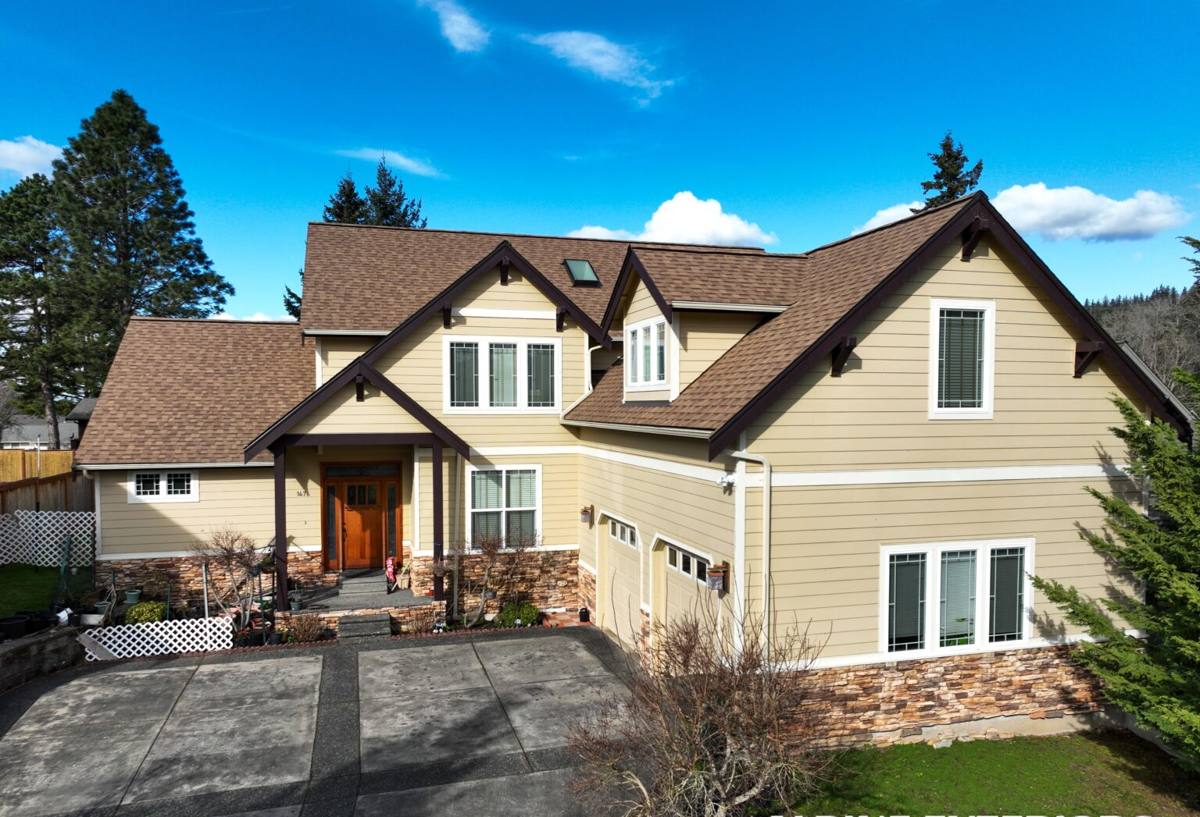
What This Climate Does to a Deck Over Time
Salt Air and Fastener Corrosion
Being close to tidal water means La Conner homes are exposed to salt-laden air more directly than towns further inland. That air is slow but steady in what it does to metal — standard-grade screws, joist hangers, and post bases will corrode faster here than the same hardware would inland, and once a fastener starts to weaken, the connection it's holding is only as strong as what's left of it. This is a case where cutting a corner on hardware grade doesn't show up as a problem for a few years, which is exactly why it's easy to underestimate at the time of the build.
Driving Rain and Trapped Moisture
Storms in this part of the Pacific Northwest usually come with wind behind them, pushing rain up and under railings, into ledger board connections, and between deck boards that aren't spaced or sloped correctly. A deck that sheds water fine in a light, straight-down rain can still trap moisture here if the framing, flashing, and board gapping weren't built for wind-driven weather. Trapped moisture underneath a deck surface is where rot starts — quietly, out of sight, until a board finally goes soft.
A Long Moss and Algae Season
Cool temperatures, high humidity, and shade from surrounding trees give moss and algae a long growing window on wood surfaces, especially decking that doesn't get much direct sun. Moss isn't just a cosmetic problem — it holds moisture against the board surface long after the air around it has dried out, and that sustained dampness is what eventually softens wood fiber underneath. A deck design that accounts for airflow, drainage, and material choice up front needs far less scrubbing and sealing to stay ahead of it later.
Choosing the Right Decking Material
There isn't one universally correct decking material — the right choice depends on how much maintenance a homeowner actually wants to keep up with, the look they want, and the budget. What we can do is lay out the honest trade-offs for each option in a climate like this one, rather than pushing whichever product has the best margin.
| Material | How it performs in La Conner's climate | Typical maintenance |
|---|---|---|
| Cedar decking | Naturally moisture- and insect-resistant, ages to a silver-gray patina if left unfinished; softer surface can dent and needs attention at fastener points | Annual cleaning and periodic sealing or staining to control moisture uptake |
| Pressure-treated lumber | Budget-friendly and widely available; the treatment resists rot but doesn't stop moss growth on the surface, and boards can cup or check as they dry and re-wet with the seasons | Regular cleaning, re-sealing every couple of years, periodic board inspection |
| Composite decking | Resists moisture absorption and moss gets less of a foothold since there's no bare wood fiber to hold onto; performance still depends heavily on correct substructure ventilation underneath | Periodic washing; no staining or sealing required |
| Tropical hardwoods | Very dense and naturally rot-resistant, but expensive, heavy, and unforgiving of installation mistakes with fastener spacing | Occasional oiling to maintain color; otherwise low |
Composite decking has become a common choice for waterfront and marine-climate homes precisely because it removes a lot of the moisture-maintenance burden that wood carries here — but composite is not maintenance-free, and it's not automatically the right call for every home or budget. Cedar and quality pressure-treated lumber both remain solid options when they're detailed correctly underneath, which is really the part of the job that determines how any decking material performs over time.
What a Correctly Built Substructure Involves
Footings for Low-Lying, Water-Adjacent Lots
Many La Conner properties sit close to sea level and near tidal water, which means higher ground moisture and, in some cases, a higher water table than an inland lot a few miles away. Footing depth and drainage around the posts need to account for that, not just meet a generic minimum. We assess soil and site drainage conditions on every lot rather than assuming one footing spec fits every yard in the area.
Ledger Board Attachment and Flashing
Where a deck attaches to the house is the single most common point of water intrusion we see on decks that were built without enough attention to detail. Proper flashing at the ledger board keeps water from working its way behind the siding and into the wall framing — a mistake here doesn't just damage the deck, it can damage the house itself. This connection gets flashed and detailed correctly on every project, full stop.
Joist Protection and Hardware Grade
We use corrosion-resistant fasteners and joist hangers rated for the moisture and salt exposure this area sees, and we protect joist tops with a moisture barrier tape before decking goes down. That combination is what keeps the substructure — the part nobody sees once the deck is finished — from becoming the reason the whole structure needs work again in ten years instead of thirty.
Airflow Underneath the Deck
A deck built low to the ground with poor ventilation underneath traps humidity against the framing year-round, which accelerates rot regardless of how good the decking material on top is. Where grade and design allow, we build in enough clearance and airflow underneath to let the substructure actually dry out between rain events instead of staying damp all season.
Design Considerations for a Waterfront Home
Beyond the structural basics, a few design choices matter more for La Conner homes than they would somewhere drier and further from the water.
- Board spacing and slope: correct gapping between boards and a slight slope away from the house lets wind-driven rain drain through instead of pooling on the surface
- Railing hardware: stainless steel or heavily coated hardware on railing posts and connections, since these are often the first parts to show corrosion on a waterfront deck
- Under-deck drainage: for elevated decks with usable space underneath, a proper drainage system keeps that lower area dry instead of turning it into a permanently damp space
- Sun and shade mapping: understanding which parts of the deck stay shaded most of the day helps drive both material choice and where moss is likely to become a recurring issue
- Wind exposure: open waterfront lots can see stronger, more consistent wind than sheltered inland yards, which factors into railing and structural bracing decisions
Permits and Local Considerations in Skagit County
Deck projects in Skagit County typically require a building permit, and homes near tidal water like the Swinomish Channel can also fall under shoreline management review depending on the property's exact location and the scope of the project. We don't guess on this — we check what applies to a specific property with the local building department before finalizing a design, so a homeowner isn't surprised partway through the process. Handling that groundwork up front is part of what a properly run deck project looks like, not an extra step tacked on later.
Our Deck-Building Process
Design Consultation and Site Assessment
We start by walking the property, discussing how the deck will actually be used, and assessing site-specific factors like grade, drainage, sun exposure, and distance from water. That assessment shapes the design and the material recommendation, rather than starting from a standard layout and fitting the site to it.
Material Selection
We walk through the real trade-offs between decking materials for that specific home and budget — not a sales pitch toward whichever product is easiest to install, but an honest conversation about maintenance, appearance, and cost over the life of the deck.
Permitting
Once the design is set, we handle the permit application and any required shoreline or setback review with the county so the project is built to what's actually approved for that lot.
Construction
Footings and framing go in first, inspected before decking begins. Ledger flashing, joist protection, and hardware grade are handled to the standard described above on every project, not just the ones where a homeowner asks about it specifically.
Final Walkthrough
Before we call a project finished, we walk the completed deck with the homeowner, cover basic care for whichever material was installed, and make sure every rail, stair, and connection is solid.
Keeping a La Conner Deck in Good Shape Year After Year
The maintenance a deck needs depends on the material, but a few habits make a real difference in this climate regardless of what the decking is made of:
- Sweep leaves and debris out from between boards regularly — trapped organic matter is what moss and rot both feed on
- Keep gutters and downspouts directed away from the deck so runoff isn't adding extra moisture on top of what the weather already provides
- Re-seal or re-stain wood decking on a regular schedule rather than waiting until it visibly needs it
- Check railing posts and hardware periodically for early signs of corrosion, especially on decks closest to the water
- Trim back overhanging branches where possible to cut down on shade and leaf litter that feed moss growth
- Inspect underneath the deck once a year for soft spots, standing water, or areas with poor airflow
Why Hiring a Crew That Already Works in La Conner Matters
A deck built by a crew that hasn't worked this specific stretch of Skagit County waterfront tends to treat it like a generic build — standard hardware, standard footing depth, standard drainage assumptions. Those assumptions are exactly what fail here over time. We've built and repaired enough decks around this area to know where water actually collects, which corners get missed most often, and what it takes for a deck to still be solid a couple of decades from now instead of needing major rework in five or six years.
If you're considering a new deck or replacing one that's showing its age, we're happy to take a look at your property and put together a straightforward, no-pressure estimate — just fill out the form below to get started.