 Skagit County
 Windows Built for How Lyman Actually Weathers
Lyman sits inside Skagit County's broader marine-influenced climate, and that means every window on a home here is doing more work than a window would in a dry inland state. The mix of driving rain, damp air moving up the valley, and a moss season that can stretch across most of the year puts constant pressure on frames, sills, and seals. Add in occasional salt-laden air moving through the region from Puget Sound weather systems, and you have conditions that will find every weak point in a window's construction within a few years, not a few decades.
Custom windows aren't about luxury trim packages or unusual shapes, though we do plenty of that too. For most Lyman homeowners, "custom" simply means windows sized and detailed to fit an opening correctly, sealed the way this climate demands, and installed by people who understand what moisture does to wood-framed homes in this part of Washington. That's the standard we build every job around.
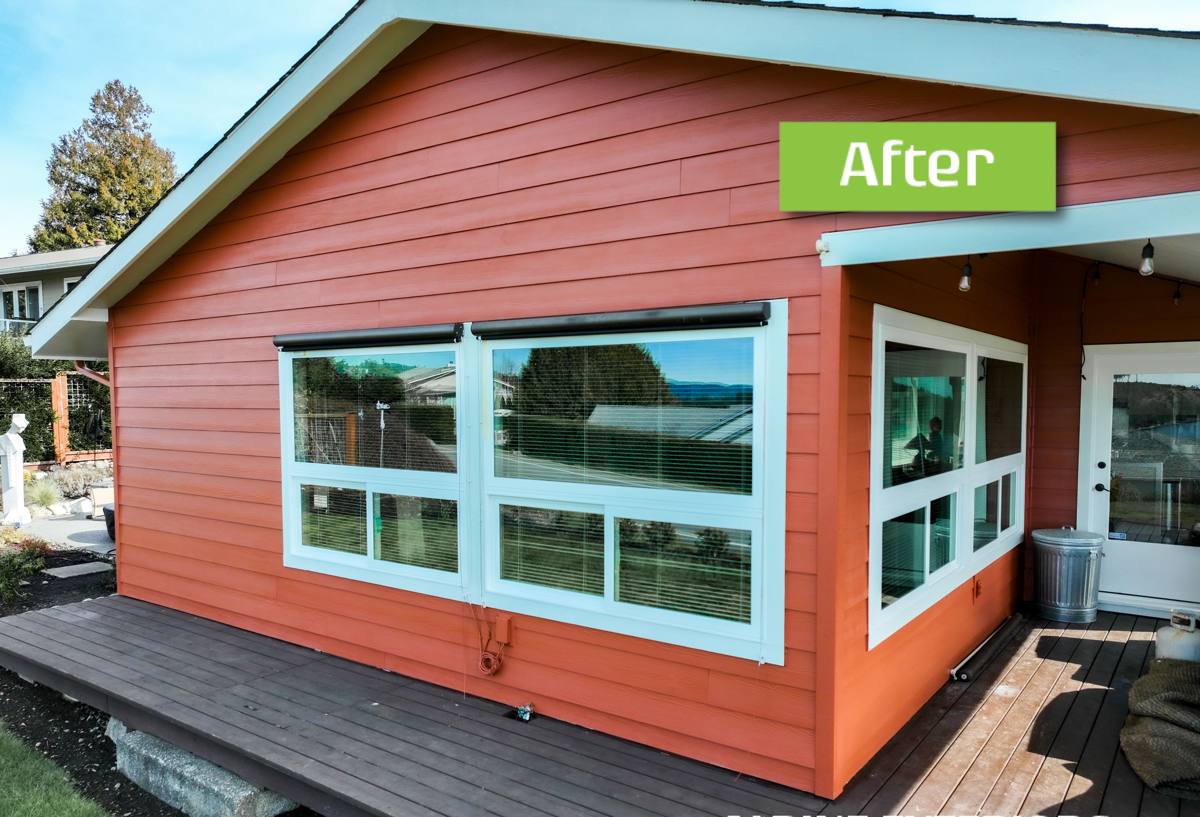
What This Climate Does to the Wrong Windows
Skagit County's weather doesn't damage windows quickly or dramatically. It works slowly, which is exactly why so many homeowners don't notice a problem until it's expensive to fix. A window that isn't flashed correctly might not leak visibly for two or three winters. By the time water stains show up on interior trim, the sheathing behind the wall may already be compromised.
The Main Failure Points We See
- Wood sills and lower frame corners that stay damp long enough to start rotting from the inside out
- Failed seals on double-pane glass, showing up as fog or condensation trapped between the panes
- Caulk and sealant that was never designed for constant wet-dry cycling, cracking and letting water behind the trim
- Moss and algae growth on north- and west-facing frames that holds moisture against the material year-round
- Vinyl frames that were never properly shimmed, warping slightly and losing their seal over a few seasons
None of these are dramatic failures. They're slow, quiet ones — which is exactly what makes them worth getting ahead of with the right materials and the right install.
Choosing the Right Frame Material for a Lyman Home
There's no single "best" window material for every house. The right choice depends on your home's age, exposure, and how much upkeep you actually want to do. Here's how the common options hold up under Skagit County's rain and moss conditions specifically.
| Frame Material | How It Handles Local Moisture | Maintenance Load |
|---|---|---|
| Vinyl | Won't rot; performs well if properly flashed and shimmed | Low — occasional cleaning |
| Fiberglass | Very stable in wet-dry cycling, resists warping over decades | Low |
| Wood-clad (wood interior, composite exterior) | Good if the exterior cladding is intact; interior wood needs a dry, sealed exterior shell | Moderate — watch cladding seams |
| Solid wood | Attractive but vulnerable where paint or sealant fails; needs consistent upkeep in this climate | High |
| Aluminum | Durable frame, but conducts cold and can promote condensation without a thermal break | Low, but condensation risk |
For most Lyman homes, we steer people toward vinyl or fiberglass for full replacements, and wood-clad for homes where matching an existing architectural style matters more than minimizing upkeep. We'll walk through the trade-offs honestly rather than pushing whatever's easiest to install.
Glass and Sealing Details That Actually Matter Here
The frame material gets most of the attention, but the glass package and the seal around the opening do more to determine how a window performs in this climate.
Glass
Dual-pane windows with a low-E coating and argon gas fill are the practical standard for this region now — they cut down on heat loss during cold, damp winters and reduce interior condensation on cold glass surfaces, which is a common complaint in older single-pane and early dual-pane homes around the county.
Flashing and Weatherproofing
This is where most window failures actually start, and it's the part that's invisible once the job is finished. A correctly installed window has flashing tape or pan flashing at the sill designed to shed any water that gets past the exterior seal, a proper weather-resistive barrier integration at the rough opening, and sealant applied only where it belongs — not as a substitute for correct flashing. Sealing every gap with caulk and calling it done is a shortcut that causes problems two or three years down the road, once the caulk starts to crack from the repeated wet-dry cycling this area sees for much of the year.
Our Custom Window Installation Process
1. On-Site Assessment
We start by looking at each opening individually — not just measuring for a new window, but checking the condition of the existing sill, framing, and any signs of past moisture intrusion. This tells us whether we're doing a straightforward replacement or whether there's rot or damage that needs to be addressed first.
2. Removal and Opening Prep
Old windows come out carefully so we can inspect the rough opening once it's exposed. Any soft or damaged wood gets addressed here — installing a new window over a compromised opening just locks the problem behind new trim.
3. Flashing and Installation
Each window gets sill pan flashing, proper integration with the house wrap or weather barrier, and is shimmed level and plumb before fastening. This step is what separates a window that lasts twenty-plus years from one that starts leaking within five.
4. Sealing and Finish
Exterior trim, sealant, and interior finish work are completed to match your home's existing look, whether that's simple vinyl trim or a more detailed wood casing.
5. Final Walkthrough
We check operation, seal quality, and finish details with you before considering the job complete.
Signs Your Current Windows Are Past Due for Replacement
- Visible fog or moisture trapped between panes of glass
- Drafts you can feel near the frame even when the window is fully closed
- Soft, spongy, or discolored wood at the sill or lower corners
- Moss or dark staining building up on the frame that comes back soon after cleaning
- Windows that are difficult to open, close, or lock properly
- Noticeably higher heating costs compared to similarly sized homes nearby
- Condensation forming on interior glass regularly during cold months
One or two of these on their own might just mean a minor repair. Several together, especially rot or persistent fogging, usually mean it's time to talk about replacement rather than patching.
What Affects Cost on a Custom Window Project
| Factor | Why It Matters |
|---|---|
| Number and size of openings | More or larger windows mean more material and labor |
| Frame material chosen | Vinyl, fiberglass, and wood-clad carry different material costs |
| Condition of existing framing | Rot repair at the opening adds time and material before install can start |
| Glass package | Standard dual-pane versus upgraded low-E/argon or specialty glass |
| Trim and finish complexity | Matching detailed existing trim takes more labor than simple replacement |
| Access and home layout | Second-story or hard-to-reach openings affect labor time |
We'll give you a clear, itemized picture of these factors during your estimate rather than a single vague number, so you know what you're actually paying for.
Why It Matters That We Already Work in Lyman and Skagit County
A crew that installs windows all over the country isn't necessarily wrong about technique, but they haven't spent years watching how this specific climate — the rain patterns, the moss growth, the humidity that settles into the Skagit Valley — actually treats a window installation over time. We've seen which flashing details hold up here and which shortcuts fail early. That local pattern recognition is hard to replace with a manual or a training video.
Being local also means we're not disappearing after the invoice is paid. If a question comes up two years after installation, we're still working in the same county, not three states away.
Living With Windows in a Wet, Moss-Prone Climate
Even a well-installed window benefits from a little seasonal attention here. Clearing debris and moss buildup from sills and tracks a couple of times a year keeps moisture from sitting against the frame. Checking exterior caulk lines annually — especially after a hard winter — catches small cracks before they let water behind the trim. And keeping gutters and downspouts clear reduces the amount of water sheeting down past upper-story windows during heavy rain, which is one of the more overlooked contributors to frame wear in this area.
None of this is complicated, but it's the kind of upkeep that meaningfully extends the life of a correctly installed window in a climate like this one.
Get a Straightforward Estimate for Your Lyman Home
If your windows are showing their age, letting in drafts, or just weren't installed correctly the first time, we're happy to take a look and give you an honest assessment — no pressure, no inflated scare tactics about what will happen if you wait. Use the form below to request a free estimate, and we'll walk you through your options for windows built to actually hold up to Skagit County weather.