 Skagit County
 Custom Windows Built for March Point's Marine Climate
March Point sits out on the water, and that location comes with a specific kind of weather punishment. Homes here take wind-driven rain off the bay, salt-laden air that never fully lets up, and long stretches of gray, damp months where moisture just sits against the building envelope. Windows are one of the first places that damage shows up — not always as a leak, but as fogged glass, swollen sashes, chalky or pitted frames, and hardware that seizes up from corrosion. A window that's rated fine for an inland Skagit County neighborhood isn't automatically the right call for a home exposed to salt air and driving rain on a peninsula like this one. We size, spec, and install custom windows around what March Point actually throws at a house, not a generic regional average.
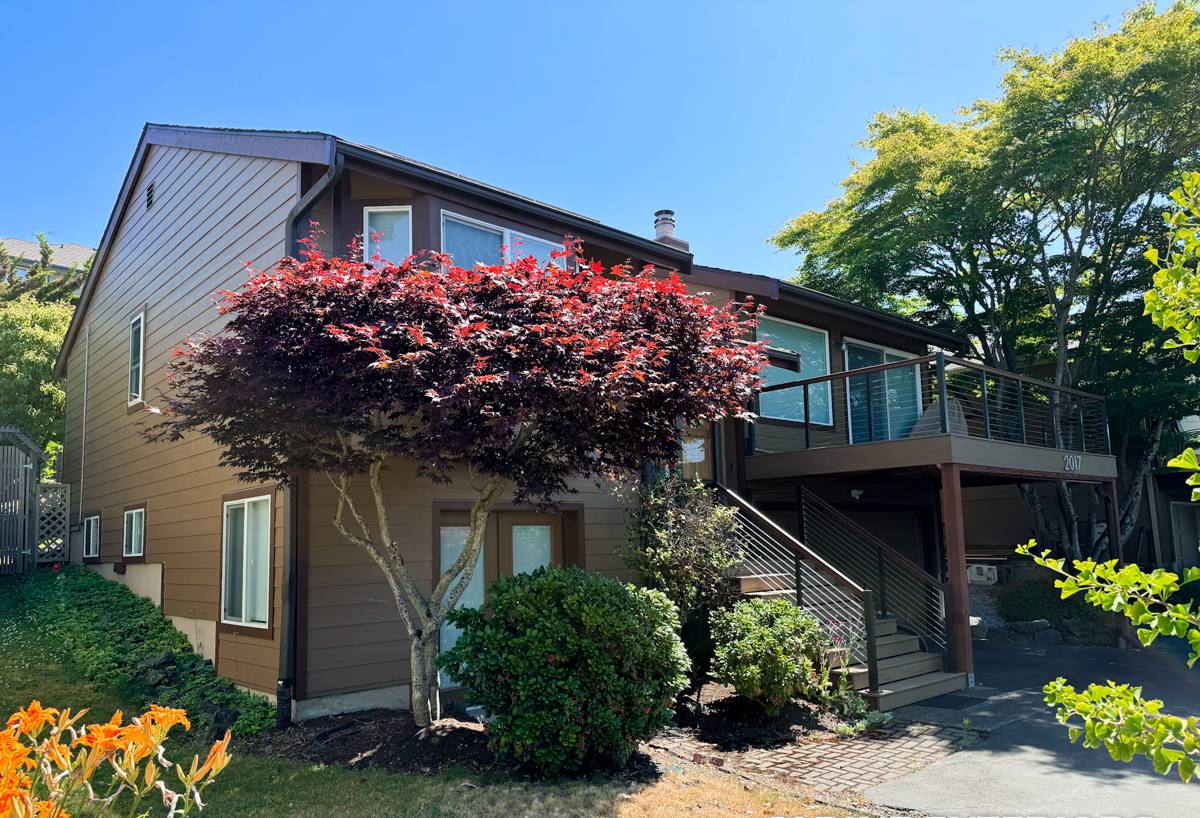
What "Custom" Actually Means Here
Custom doesn't mean expensive for its own sake — it means the window is built to the actual opening and actual exposure of your house, instead of forcing a stock size to fit. Most homes in this part of Skagit County have at least a few openings that don't match modern standard sizing: older construction, additions, or replacement windows installed decades ago that were themselves a compromise. Custom sizing lets us:
- Match the exact rough opening without building out jambs or shimming gaps that become leak paths
- Match sightlines and grid patterns across a wall so the house doesn't end up with mismatched window styles
- Upgrade glass packages and frame materials specifically for salt-air and wind-driven-rain exposure
- Correct old problems — rotted framing, poor flashing, undersized headers — instead of building a new window on top of an old mistake
That last point matters more in March Point than in a lot of inland neighborhoods. A window replacement here is rarely just a window replacement; it's usually also a chance to fix flashing and sheathing damage that's been slowly building for years behind the old unit.
Why Coastal Exposure Changes the Job
Salt Air and Metal Components
Salt in the air accelerates corrosion on anything metal — hinges, cranks, balance systems, screws, and cladding fasteners. Cheaper hardware packages that hold up fine forty miles inland can start showing rust streaks and stiff operation within a few seasons out here. We spec corrosion-resistant hardware and fasteners as a standard, not an upgrade, on jobs in this area.
Wind-Driven Rain
Rain that's blowing sideways doesn't behave like rain falling straight down. It gets pushed up under sills, into weep systems, and against seals that were only ever tested against still-air conditions. Proper flashing detail — head flashing, sill pans, and correctly lapped house wrap — matters more here than the window unit itself. We've seen good windows leak because of bad flashing, and we won't repeat that mistake.
Moss and Sustained Moisture
A long moss season means sustained dampness sitting against exterior surfaces for months at a time, not just occasional wetting. Wood trim and sills that aren't detailed to shed water and dry out fully will hold moisture longer here than almost anywhere else in the county. That's a big part of why we favor low-maintenance frame materials and back-primed or clad trim details on coastal jobs.
Choosing the Right Frame Material for This Exposure
There's no single "best" window material for every house — it depends on your budget, your home's style, and how much upkeep you actually want to do. Here's how the common options hold up specifically under March Point's conditions:
| Frame Material | Salt Air / Corrosion | Maintenance | Notes for This Area |
|---|---|---|---|
| Vinyl | Very good — won't corrode or rust | Low | Good value; verify UV and impact rating for coastal wind exposure |
| Fiberglass | Excellent — dimensionally stable, no corrosion | Low | Handles temperature swings and moisture well; higher upfront cost |
| Aluminum | Fair unless properly coated — can corrode over time | Moderate | Thermal performance and corrosion resistance both need to be verified before we recommend it here |
| Wood | Poor without diligent upkeep | High | Beautiful, but sustained damp exposure means it needs real maintenance discipline; clad-wood is a common compromise |
| Clad-Wood (vinyl or aluminum exterior, wood interior) | Good — exterior face resists weather | Low to moderate | Popular choice where owners want a wood interior look with less exterior maintenance risk |
We don't push one material on every homeowner. We'll walk your specific openings, sun exposure, and wind direction with you and explain the honest trade-offs before you commit to anything.
Glass Packages: What's Worth Paying For
Glass technology has moved a long way past a single pane of double-strength glass. For a coastal Skagit County home, the glass package decisions that actually matter are:
- Low-E coatings — reduce heat loss in winter and heat gain in summer; standard on nearly every quality window now
- Argon or krypton gas fill — improves insulation between panes; a meaningful, low-cost upgrade
- Impact-rated or laminated glass — worth discussing for openings that take direct wind exposure off the water
- Warm-edge spacers — reduce condensation at the glass edge, which matters in a climate with long damp stretches
We'll never sell you a glass package based on a scare number. We'll tell you what each option actually does and let you decide where your budget goes.
Our Installation Process
1. On-Site Assessment
We inspect the existing openings, framing, and any signs of water intrusion or rot before we quote anything. This is where coastal jobs often turn up hidden sheathing damage that needs to be addressed as part of the scope, not discovered mid-install.
2. Precise Measurement and Ordering
Custom windows are ordered to the actual opening, not a catalog size. We double-check measurements before placing the order — a mistake here means weeks of delay waiting on a remade unit.
3. Removal and Structural Repair
Old units come out carefully so we can inspect the framing underneath. Any rot, soft wood, or compromised flashing gets repaired before a new window goes in — installing a new window over a bad substrate just hides the problem for a few more years.
4. Flashing and Weatherproofing
This is the step that decides whether a window leaks in five years. Proper sill pan flashing, correctly lapped house wrap, and sealed head flashing are non-negotiable on every job we do, and doubly important on a wind-driven-rain site like this one.
5. Installation and Sealing
The window is set plumb, level, and square, shimmed correctly, and sealed with exterior-grade sealant rated for the temperature and moisture swings this area sees.
6. Final Inspection and Cleanup
We check operation, seal integrity, and trim finish before we consider the job done, and we clean up the site before we leave.
Signs Your March Point Home Needs New Windows Now
Coastal damage doesn't always announce itself as an obvious leak. Watch for these signs, which show up earlier and more often out here than in inland homes:
- Fogging or moisture between glass panes (seal failure)
- Frames that feel soft, swollen, or show visible pitting or corrosion
- Hardware — cranks, locks, hinges — that's stiff, rusted, or won't latch cleanly
- Drafts or a noticeable temperature difference near the window even when it's fully closed
- Visible daylight or gaps around the frame
- Persistent moss or dark staining building up on the sill or surrounding trim
- Rising heating bills without any other explanation
Any one of these on its own might not mean a full replacement. Several together, or any sign of soft framing underneath, usually does.
Why Hire a Crew That Already Works March Point
A contractor who mostly works inland Skagit County jobs will still do competent work — but they may not automatically account for salt-air hardware corrosion, wind-driven-rain flashing detail, or the extended damp season that drives moss growth here. We work this area regularly, which means we already know what tends to fail first on a house exposed like this, and we build the job around preventing that specific failure rather than a generic installation checklist. That's the difference between a window that looks right on installation day and one that's still performing correctly in ten years of salt air and winter storms.
What Affects Your Project Cost
Every job is different, but the cost factors on a custom window project generally come down to the same handful of variables:
| Factor | Why It Matters |
|---|---|
| Frame material | Vinyl and fiberglass generally cost less upfront than clad-wood or premium aluminum systems |
| Glass package | Low-E, gas fill, and impact-rated glass all add cost but reduce long-term energy and maintenance costs |
| Number and size of openings | Larger or more numerous windows increase material and labor |
| Hidden repairs | Rot or flashing damage found during removal adds scope — we'll always show you this before proceeding |
| Custom shapes or sizing | Non-standard openings, arches, or matched grid patterns take more fabrication time |
We'll walk your home, give you a real number based on what we actually find, and explain anything that changes the price before we do the work — not after.
Get a Straight Answer for Your Home
If you're dealing with drafty, corroded, or fogged-out windows on a March Point home, we're happy to come take a look and give you an honest read on what's actually going on — no pressure, no inflated scare tactics. Fill out the form below for a free estimate, and we'll walk the openings with you and talk through what actually makes sense for your house and your budget.