 Skagit County
 Living With Skagit County Weather, Window by Window
Windows in Mount Vernon do a harder job than windows almost anywhere else in the country. Between the marine air moving in off Puget Sound, the long stretches of driving rain that define a Skagit Valley winter, and the shade and moisture that keep moss growing on roofs and siding most of the year, a window here is under near-constant pressure to keep water and air out. When a window was installed correctly, most homeowners never think about it. When it wasn't, you find out the hard way — soft trim, fogged glass, a draft that won't go away no matter how many times you check the weatherstripping.
This page is about one job, done right, in one place: window installation for homes in Mount Vernon. Not a general overview of every window on the market, but what actually matters for a house sitting in this specific climate, and what separates a window that lasts twenty-plus years from one that starts causing problems in five.
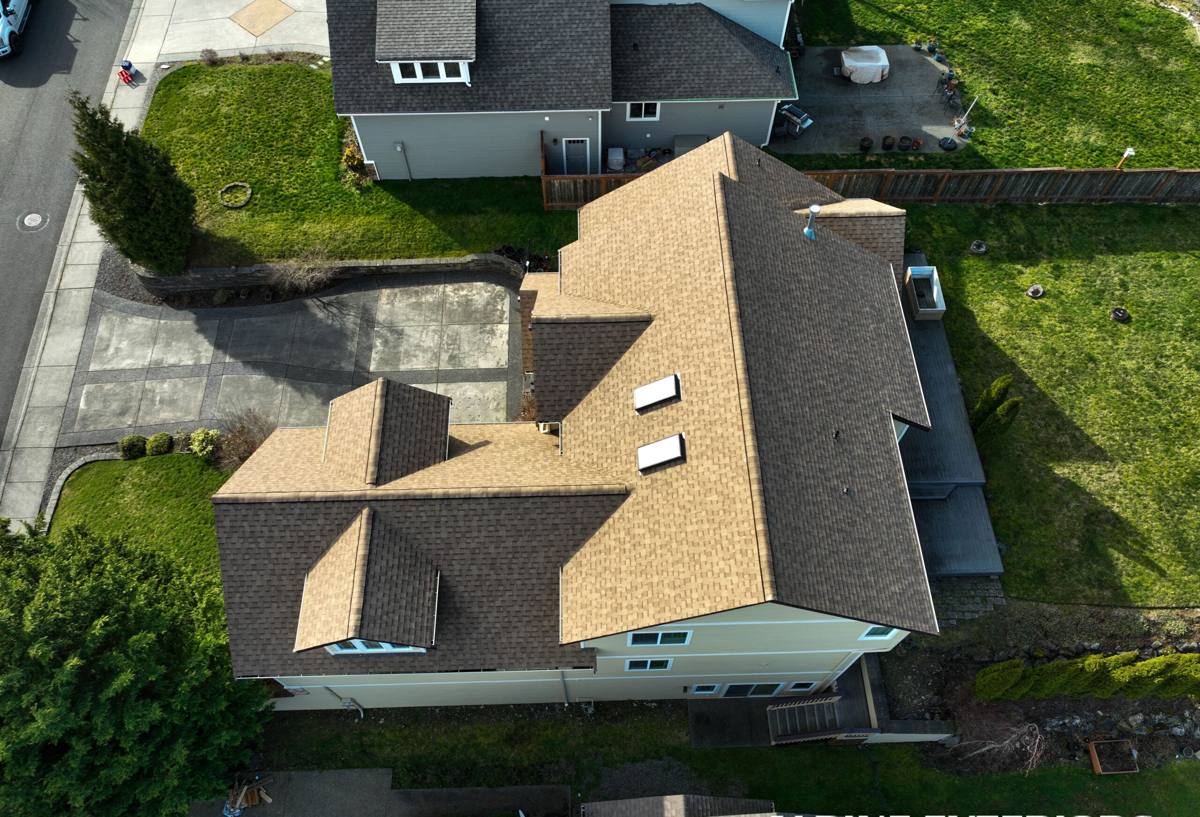
What Salt Air, Rain, and Moss Actually Do to Windows
Salt Air and Slow Corrosion
Homes closer to the water and the tidal flats around Skagit County deal with airborne salt that settles on hardware, hinges, and metal components. Over years, that salt content accelerates corrosion on lower-grade fasteners and cheap hardware, and it can pit aluminum components that aren't properly finished. It's rarely dramatic — it's a slow degradation that shows up as a lock that gets stiff, a crank handle that seizes, or streaking on the frame that won't wash off.
Driving Rain and Water Intrusion
Skagit County doesn't just get a lot of rain — it gets a lot of wind-driven rain, especially during fall and winter storms that push moisture sideways into wall assemblies rather than straight down. A window that's watertight in a light, vertical rain can still leak under that kind of lateral pressure if the flashing, sill pan, and sealant weren't detailed for it. This is the single biggest cause of hidden water damage we find behind older window installations in this area.
Moss, Shade, and Prolonged Moisture
Many Mount Vernon lots carry mature trees and long shaded sides of the house, which means surfaces stay damp longer after a storm than they would in full sun. That extended moisture window is exactly what moss and mildew need to take hold on wood trim, sills, and unsealed gaps around a window frame. It's also why wood rot at window corners and sills is such a common repair call here — not because wood is a bad material, but because it needs to be detailed and finished correctly for a climate that doesn't let things dry out quickly.
Signs It's Time for New Windows in Mount Vernon
Not every issue means full replacement, but these are the signals worth taking seriously in this climate:
- Visible fogging or a hazy film between panes, meaning the seal has failed and the insulating gas has escaped
- Soft, discolored, or spongy wood at the sill or corners of the frame
- Persistent drafts even with the window fully latched
- Difficulty opening, closing, or locking — often from swelling, warping, or corroded hardware
- Visible gaps, cracked caulk, or daylight showing around the frame from inside
- Condensation forming on the inside of the glass regularly, even in mild weather
- Musty smell or visible mildew on the interior trim, which can point to trapped moisture in the wall
What Correct Installation Actually Involves
The window itself matters, but in a climate like this, installation quality is what determines whether that window performs for one winter or twenty. Three details make or break the job.
Flashing and Water Management
Every opening needs a properly lapped flashing system and a sloped sill pan so that any water that does get past the exterior finish drains back out instead of pooling against the wall sheathing. This is the step that's hardest to inspect after the fact and the one most often shortcut on a rushed job — and it's the single most important defense against the wind-driven rain this area sees every winter.
Air Sealing and Insulation
The gap between the window frame and the rough opening needs to be sealed and insulated correctly — not stuffed with excess fiberglass that traps moisture, and not left with gaps that let air and moisture track in around the frame. Done right, this step is also what keeps heating bills down through a long Skagit Valley winter.
Proper Fastening and Shimming
A window that isn't shimmed level and square will bind, leak, or wear unevenly at the hardware and seals within a few years, no matter how good the window itself is. Fasteners need to be corrosion-resistant given the marine air in this area, and driven at the manufacturer's specified points to keep the frame from racking over time.
Matching the Window to This Climate
There's no single "best" window — the right choice depends on exposure, budget, and how much upkeep you want to sign up for. Vinyl frames handle moisture well and need almost no maintenance, which makes them a practical default for most Mount Vernon homes. Fiberglass frames cost more up front but resist expansion and contraction better across our temperature swings and hold paint longer if you want a specific color. Wood and wood-clad windows can look excellent but demand more consistent upkeep in a climate that stays damp for long stretches — we'll always tell you honestly what that maintenance commitment looks like before you buy. Aluminum frames conduct cold and can sweat in our wet winters unless they're thermally broken, so we're selective about where we recommend them.
What Drives the Cost
Every project is different, but these are the factors that actually move the price on a Mount Vernon window job:
| Factor | Why It Matters |
|---|---|
| Frame material | Vinyl is typically the most budget-friendly; fiberglass and wood-clad cost more but offer different durability and looks |
| Window size and style | Large picture windows and operable styles with multiple moving parts cost more than standard single or double-hung units |
| Number of openings | Whole-house projects typically bring a better per-window price than replacing just one or two |
| Condition of the rough opening | Hidden rot or damage found once trim is removed adds repair work before a new window can go in properly |
| Access and second-story work | Upper-floor windows take more time and equipment than ground-level ones |
| Trim and finish work | Matching existing interior or exterior trim, or upgrading it, adds to labor and materials |
We give you a written, itemized estimate before any work starts, so there are no surprise line items once the job is underway.
Our Process, Start to Finish
- Assessment and measurement — We look at every opening in person, check for hidden moisture or rot, and take precise measurements rather than relying on stock sizing.
- Product selection — We walk you through frame material and glass package options honestly, based on that specific opening's sun and weather exposure, not a one-size-fits-all recommendation.
- Removal and prep — Old windows come out carefully, and we address any sill or framing damage we find before anything new goes in — patching over rot is not something we do.
- Installation and sealing — Flashing, sill pans, insulation, and sealant are installed to the standard this climate requires, not the minimum a manufacturer's instructions allow.
- Final inspection and cleanup — We test operation, check seals, and walk the finished work with you before we consider the job done.
Why Hiring a Crew That Already Works Mount Vernon Matters
A window installer who mostly works in drier inland climates or milder coastal regions isn't necessarily thinking about wind-driven rain, prolonged shade moisture, or salt-air hardware corrosion the way a crew that works Skagit County day in and day out will. We size flashing details, hardware, and sealants for what this specific area actually throws at a house over a Northwest winter — not for a generic national spec sheet. That local familiarity is also why we can tell you plainly which upgrades are worth paying for on your house and which ones aren't, instead of upselling a package that doesn't fit your situation.
If you're weighing whether it's time to replace windows on a Mount Vernon home, we're happy to come take a look, answer your questions honestly, and put together a free, no-pressure estimate — just fill out the form below to get started.