 Skagit County
 Building New in Alger? Your Windows Are the First Weather Decision You Make
When a house is framed and still open to the weather, the window openings are one of the first places water either gets managed correctly for the next 40 years or gets a slow leak built into the wall before the siding ever goes on. In Alger and the surrounding parts of Skagit County, that decision matters more than it does in a drier climate. We install new-construction windows on new builds and additions in this area, and we sequence that work around the same conditions every local framer already fights: salt-laced marine air, rain that comes in sideways off a southwest wind, and a long stretch of the year where anything shaded or north-facing stays damp long enough to grow moss.
New-construction window work isn't a smaller version of a replacement job. It's a different scope entirely, done before the siding, house wrap, and trim are finished, and it has to be right the first time because most of it gets covered up.
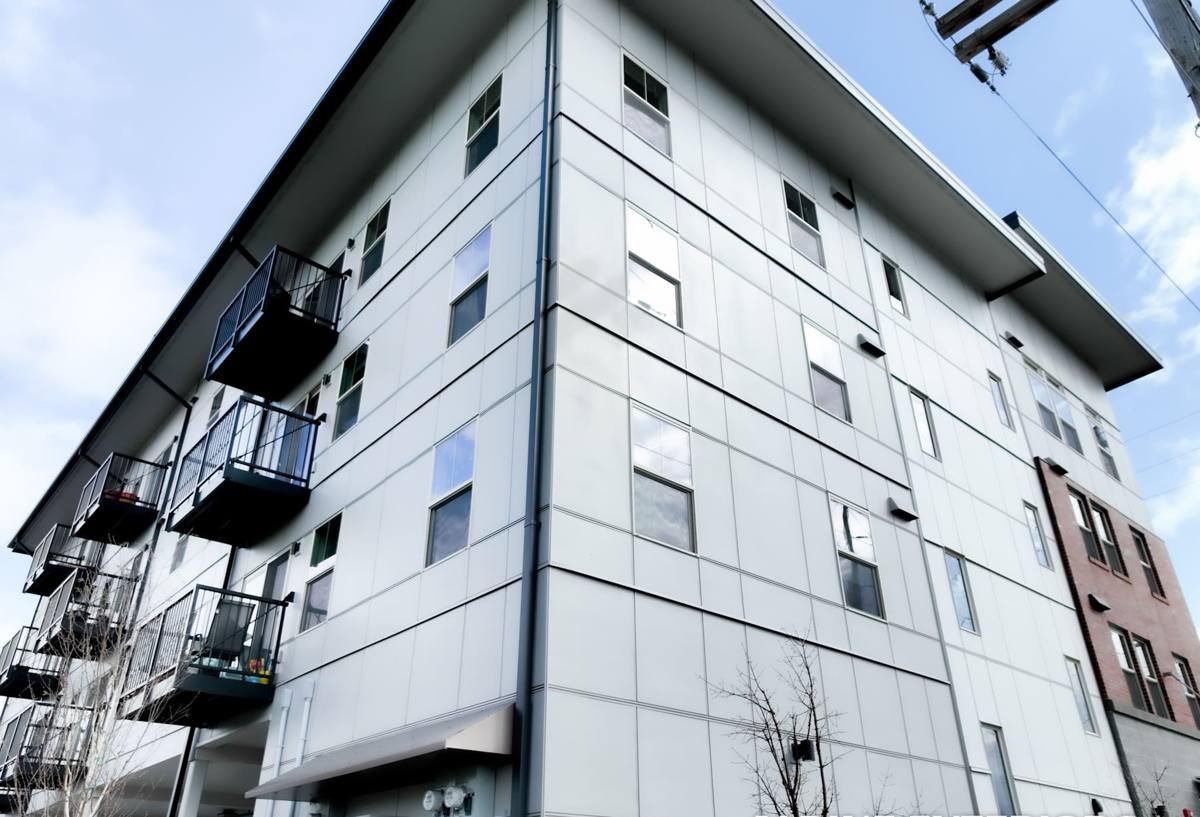
What Skagit County's Climate Does to a New Window Opening
Salt Air and Corrosion
Alger sits close enough to the Sound and Samish Bay to pick up salt-carrying air, especially during winter storms. Salt air is hard on unprotected metal — screws, nailing fin fasteners, and hardware that isn't rated for coastal exposure will corrode years before they should. On a new build we get to choose corrosion-resistant fasteners and hardware from the start, which is a much cheaper fix now than replacing rusted-through components after the siding is on.
Driving Rain
Wind-driven rain doesn't just hit a window head-on — it gets pushed sideways and upward under trim and flashing that isn't lapped correctly. Skagit County gets enough of this kind of weather that a window opening flashed for a calm-rain climate simply won't hold up here. Every lap, from the sill pan to the head flashing, has to shed water downward and outward, in the right order, every time.
Moss and Constant Moisture
The long wet season in this part of Washington keeps shaded surfaces damp for months at a time, and damp wood trim or sills that don't dry out are where moss and rot get started. New construction gives us the chance to build in drainage and drying paths — behind trim, at the sill, and through the water-resistive barrier — so moisture has somewhere to go instead of sitting against the window frame.
New-Construction Windows vs. Replacement Windows: Why the Job Is Different
A replacement window goes into an opening that's already been weathering for years, usually keeping the existing exterior trim and working around finished siding. A new-construction window is installed into a bare rough opening, before the house is weathertight, and it has a nailing fin that gets integrated directly with the weather-resistive barrier (house wrap) and the framing. That gives us more control over the final result — but it also means there's no finished wall to hide behind if a step gets skipped. The window, the flashing, and the house wrap have to work together as one system before the siding crew ever shows up.
On a new build we're also working on the builder's schedule, not the homeowner's. Windows typically go in right after the house is wrapped and before siding and trim start, so timing, weather windows, and coordination with the framing crew are part of the job, not an afterthought.
What a Correct New-Construction Window Install Actually Involves
There's a specific order of operations for a weathertight new-construction window, and skipping or reversing a step is how leaks get built into a wall. Here's the sequence we follow:
- Rough opening check. Confirm the opening is square, level, and sized correctly before anything else happens.
- Sill pan flashing. A sloped, sealed pan at the bottom of the opening so any water that gets past the window has a path back outside instead of soaking into the framing.
- Side and jamb flashing. Integrated with the house wrap in the correct shingle-lap order — lower layers always underneath the ones above them.
- Window installation. Set plumb, level, and square, shimmed correctly so the frame doesn't bow and the sash operates smoothly for the life of the window.
- Head flashing. Installed last, lapped over the house wrap above the opening so water is directed out and away from the top of the window, not behind it.
- Air sealing and insulation. The gap between the window frame and the rough opening gets sealed and insulated — an uninsulated gap is a cold spot and a condensation risk.
- Final inspection. Every lap and seal checked before the wall gets covered, because this is the last point anyone can see it without cutting into the siding.
Every one of these steps is normal, standard practice — the difference between a good install and a problem one is almost always attention to sequencing and lapping, not exotic materials.
Choosing Frame Material and Glass for This Climate
New construction is the right time to think about long-term performance, since the window choice is baked into the wall for decades. There's no single right answer for every project — it depends on budget, the home's design, and how exposed the elevation is to weather.
| Factor | Vinyl | Fiberglass | Wood-Clad |
|---|---|---|---|
| Moisture resistance | Good — won't rot, unaffected by salt air | Excellent — very stable, low expansion/contraction | Good on the clad exterior; interior wood needs upkeep |
| Maintenance | Low | Low | Moderate to high — exposed wood needs periodic attention |
| Typical cost | Lower | Mid to higher | Higher |
| Best fit | Budget-conscious new builds | Larger openings, exposed elevations | Homes prioritizing a wood-look interior |
Whatever frame material is chosen, we recommend dual-pane glass with a Low-E coating and argon fill as a baseline for this climate — it helps with both energy performance and condensation control, which matters through a Skagit County winter. On elevations that take the brunt of the weather, we'll also talk through upgraded hardware finishes that hold up better against salt air than standard-grade fasteners.
How We Work With Builders and Framers in Skagit County
On a new build, windows are one piece of a larger schedule, and coordination matters as much as installation quality. We work directly with the builder or general contractor to time window delivery and installation around framing completion and house wrap, so the crew isn't standing around waiting and the opening isn't sitting exposed to weather longer than it needs to be. We also flag anything in the rough openings — out of square, undersized, or missing blocking — before it becomes a bigger problem once the window shows up.
Because we work new-construction jobs across Skagit County regularly, we're used to lining up with the pace of a build schedule rather than treating it as a standalone service call.
Mistakes We See (and Correct) on New Construction
Most window problems on new builds trace back to a handful of repeatable mistakes. Here's what we watch for on every install:
- House wrap taped over the nailing fin instead of properly lapped under it, trapping water against the frame
- Head flashing installed before the side flashing instead of after, reversing the correct shingle-lap order
- Missing or flat (unsloped) sill pans, leaving no path for incidental water to drain back out
- Standard fasteners used on exposed elevations where corrosion-resistant hardware would hold up better against salt air
- Gaps between the frame and rough opening left unsealed or uninsulated, creating a cold spot and condensation point
- Windows set out of plumb or square, causing operation problems that show up months or years later
None of these are unusual defects — they're the standard failure points on any new-construction window job, in any climate. The difference in a place like Alger is that Skagit County's rain and salt air expose a shortcut faster than a drier region would.
Why a Crew That Already Works Alger Matters
Anyone can install a window. Installing one that's still dry and functioning correctly after ten winters of Skagit County weather takes familiarity with what this specific climate does to a house — where the wind-driven rain hits hardest, how far salt air carries inland from the water, and how long a shaded, damp elevation stays wet before it starts growing moss. A crew that already works in and around Alger has seen how local builds hold up over time, not just how they look on installation day.
We also know the practical side of working here — coordinating around the wetter months, working efficiently with local framers and builders, and not being surprised by the kind of weather window we actually have to work with on a Skagit County job site.
Get a Free, No-Pressure Estimate
If you're framing a new home or addition in the Alger area and want windows installed correctly the first time — flashed, sequenced, and sealed for this specific climate — we're happy to take a look at your plans or rough openings and walk you through it. Use the form below to request a free estimate, no pressure and no obligation.