 Skagit County
 Why Window Choice Matters More in Sedro-Woolley
Sedro-Woolley sits at the edge of the Skagit Valley, close enough to tidal air and the marine push off Puget Sound that homes here deal with a different set of pressures than houses further inland. Salt-laden moisture, long stretches of driving rain, and a moss season that seems to start earlier every year all work on a home's windows in ways that aren't always obvious until you're dealing with fogged glass, soft trim, or a frame that won't seal anymore. Custom windows done right for this area aren't just about matching a style you like — they're about picking materials, seals, and installation details that actually hold up to what Skagit County weather throws at a house year-round.
"Custom" doesn't have to mean unusual shapes or high-end architectural glass, though we do that too. Most of the time it means windows sized and detailed to fit an older Sedro-Woolley home's actual openings, rather than forcing a stock size and papering over the gaps. That distinction matters a lot once you're talking about long-term moisture control.
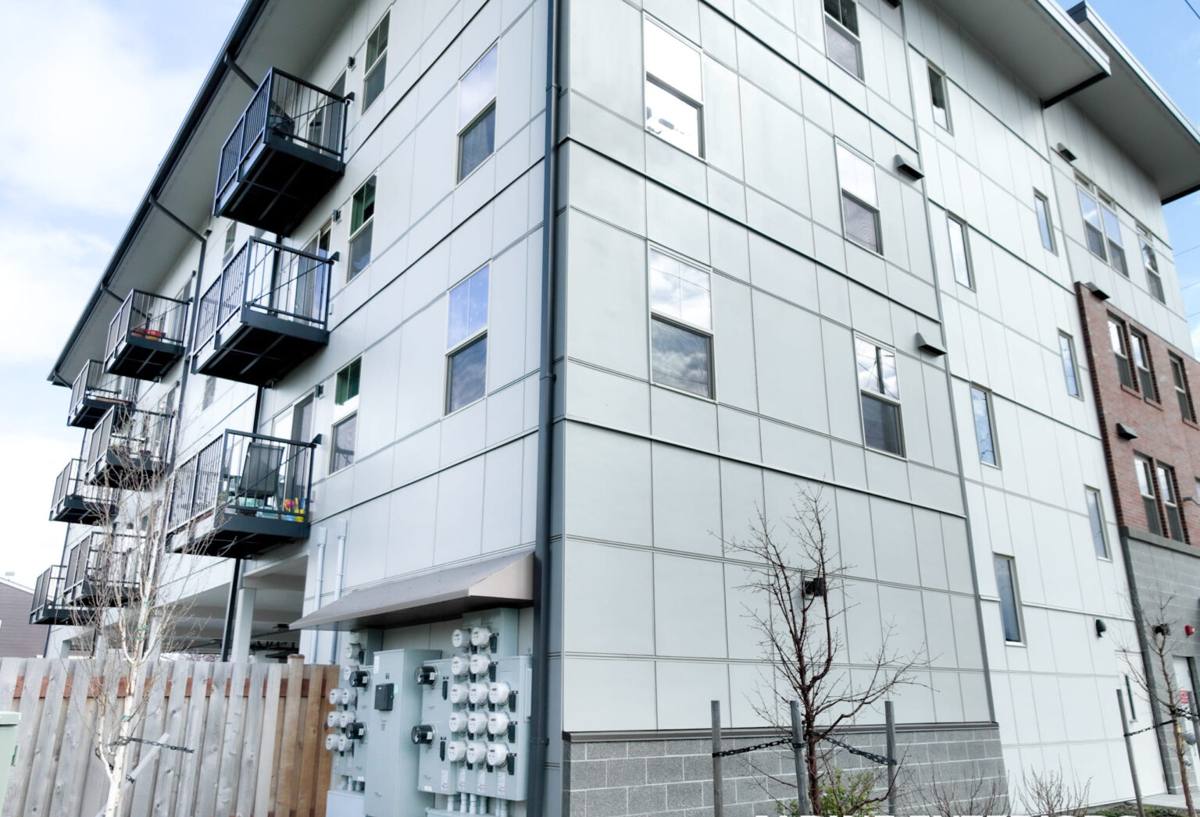
What Skagit County Climate Does to Windows Over Time
Salt Air and Driving Rain
Even though Sedro-Woolley is inland from the immediate coastline, the marine air that moves through the Skagit Valley still carries enough salt and moisture to accelerate corrosion on hardware, fasteners, and lower-grade metal components. Combine that with driving rain that comes in sideways during winter storms, and you get water intrusion at points that would stay dry in a calmer climate — sill corners, meeting rails, and anywhere caulk or sealant has started to crack.
Moss and Sustained Dampness
Our moss season runs long here, and it's not just a roof problem. Moss and algae hold moisture against wood trim, sills, and cladding around window openings for weeks at a time. That sustained dampness is what actually causes rot — not a single rainstorm, but weeks of a wet surface sitting against untreated or poorly sealed wood. Windows installed without proper flashing and drainage paths are the ones that end up with soft sills five or six years later.
Temperature Swings and Condensation
Skagit County doesn't get extreme cold, but the daily swing between damp mornings and heated interiors creates condensation on lower-quality glass and frames. Persistent condensation on the interior side is usually a sign the window's insulating value or seal integrity isn't keeping up — worth addressing before it turns into mold at the sill.
What a Correct Custom Window Job Involves
A custom window installation is really several jobs stacked together, and skipping any one of them is where problems start.
- Accurate measurement of each opening. Older Sedro-Woolley homes often have openings that are slightly out of square after decades of settling — custom sizing accounts for that instead of forcing a standard unit in.
- Removal without damaging surrounding structure. Old nailing fins, trim, and sometimes rotted framing need to come out carefully so we can assess what's underneath before a new window goes in.
- Inspection of the rough opening. This is where we find water damage, missing or failed flashing, or framing issues that need to be fixed before the new window is installed — not after.
- Proper flashing and drainage plane integration. Water that gets behind the cladding needs a path back out. This is the single most important detail for long-term performance in a wet climate and the one most often shortcut by crews unfamiliar with local conditions.
- Air-sealing and insulation at the gap. The space between the window frame and the rough opening gets sealed and insulated correctly — not just foamed and forgotten.
- Interior and exterior trim work. Custom work means the trim gets fit and finished to match the home, not left with gaps that let moisture and drafts in.
Material and Glass Choices for This Climate
There's no single "best" window material — it depends on the home, the budget, and how much upkeep you want to take on. Here's how the common options actually perform under Skagit County conditions.
| Material | How It Handles Salt Air & Moisture | Maintenance | Typical Fit |
|---|---|---|---|
| Vinyl | Doesn't corrode; good moisture resistance | Low | Most homes, good value |
| Fiberglass | Very stable, resists warping and corrosion | Low | Higher-end replacements, larger openings |
| Wood-clad | Exterior clad protects wood, but any breach in the cladding lets moisture reach the wood core | Moderate to high | Historic or traditional-look homes where appearance matters most |
| Aluminum | Prone to corrosion in salt air unless properly finished; conducts cold, more condensation risk | Moderate | Limited use — mainly where a slim sightline is required |
For glass, we generally recommend double-pane units with a low-E coating and argon fill for standard Sedro-Woolley homes — it strikes a good balance of energy performance and condensation resistance without paying for capability most homes don't need. Triple-pane can make sense for a north-facing wall or a room with persistent condensation complaints, but it's not a blanket upgrade every home benefits from proportional to the cost.
Our Process for Sedro-Woolley Custom Window Projects
1. On-Site Assessment
We look at each opening individually — not just the window itself, but the trim, sill, and siding condition around it. This is often where we catch moisture damage the homeowner didn't know was there.
2. Measurement and Product Selection
We measure precisely and walk through material, glass, and style options based on your home's exposure — a window on the weather side of the house facing prevailing storms may warrant a different spec than one on a sheltered wall.
3. Preparing the Opening
Before any new window goes in, we address what we find: rotted framing gets replaced, failed flashing gets redone, and the opening gets prepped so the new window has a sound, dry base to seal against.
4. Installation
Windows go in level, plumb, and square, with flashing integrated into the drainage plane and insulation placed correctly around the frame — not just caulked shut.
5. Finish and Walkthrough
Interior and exterior trim is finished to match the home, and we walk the job with you before calling it done.
Signs Your Sedro-Woolley Home Needs a Window Assessment
- Persistent condensation or fogging between panes (a sign the seal has failed)
- Soft or discolored wood at the sill or surrounding trim
- Drafts you can feel even with the window fully closed
- Difficulty opening, closing, or locking — often a sign the frame has shifted or swollen
- Visible gaps between the window frame and siding or trim
- Moss or dark staining building up around the window opening
- Rising energy bills without another clear explanation
Why It Matters to Hire a Crew That Works This Area
A window installation that looks correct on a dry summer day can fail its first real test the following winter if it wasn't detailed for the amount of rain and dampness Skagit County actually gets. Crews who work Sedro-Woolley regularly know which wall orientations take the worst weather, how long moss season runs, and where older local homes typically have hidden trim or framing issues from decades of exposure. That local pattern recognition is what keeps a "custom" job from just being an expensive version of the same shortcuts that cause problems in five years.
We also stand behind the work with a clear understanding of manufacturer warranty terms — most window warranties require correct installation to stay valid, so getting the flashing and sealing right isn't optional, it's what protects your investment on paper as well as in practice.
Cost Factors to Expect
Custom window pricing depends on more variables than most homeowners expect, and it's worth understanding what drives the number up or down before you start comparing quotes.
| Factor | Impact on Cost |
|---|---|
| Material (vinyl vs. fiberglass vs. wood-clad) | Vinyl is typically most affordable; fiberglass and wood-clad cost more upfront |
| Glass package (double vs. triple pane, coatings) | Upgraded glass adds cost but can be targeted to specific rooms rather than the whole house |
| Condition of the existing opening | Hidden rot or failed flashing found during removal adds repair cost but prevents a bigger problem later |
| Number and size of openings | Larger or non-standard openings require more custom fabrication |
| Trim and finish work | Matching existing interior trim profiles or exterior detailing adds labor |
We give straightforward, itemized estimates so you can see what you're paying for and where there's room to adjust the scope if budget is a concern.
Ready to Talk About Your Windows?
If you're noticing drafts, condensation, soft trim, or you're simply planning ahead for a Sedro-Woolley home that needs windows built for this climate, we're happy to take a look and walk you through honest options. Fill out the form below for a free, no-pressure estimate — no obligation, just a straight assessment of what your home actually needs.