 Skagit County
 Storm Damage Roof Repair for Skyline Homes
Skyline sits up on the bluff on the west side of Anacortes, catching wind and weather straight off the water. When a storm moves through Skagit County, homes in this part of town tend to take the brunt of it first — wind-driven rain, gusts that lift shingle edges, and branches or debris coming off the mature trees many Skyline lots are shaded by. We do storm damage roof repair throughout Skagit County, and Skyline is one of the neighborhoods where a fast, correctly done repair matters most, because the same exposure that damaged the roof in the first place will keep working on it if the repair isn't done right.
This page covers what storm damage repair actually involves for a Skyline roof — what kind of damage we typically find here, what a correct repair looks like versus a patch job, and how our process works from the first call to the final walkthrough.
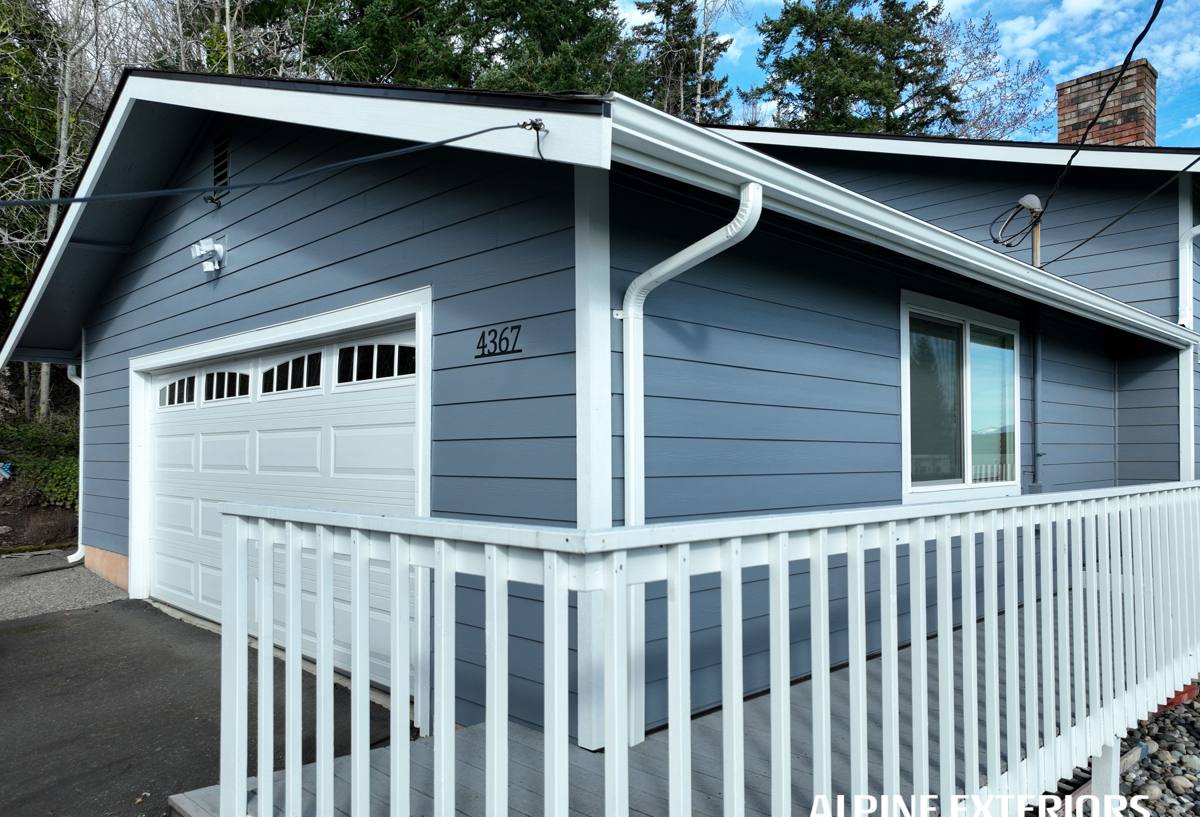
What Kind of Storm Damage Skyline Roofs Actually See
Not all storm damage looks the same, and a roof's exposure determines a lot about what it's likely to suffer. Skyline's combination of elevation, open water exposure, and tree cover produces a fairly specific mix of problems.
Wind Damage
Direct exposure to wind off the water means Skyline roofs see more uplift force on shingle edges and ridge caps than roofs a few blocks inland with more shelter from terrain. Wind damage often starts small — a handful of lifted or missing shingles — and gets worse fast once the underlayment beneath is exposed to the next round of rain.
Wind-Driven Rain Intrusion
Rain that's being pushed sideways or upward behaves differently than rain falling straight down. It finds its way under shingle tabs, through poorly lapped flashing, and into valleys that weren't detailed to handle it. A lot of the water damage we find inside a Skyline attic after a storm didn't come from a single dramatic failure — it came from wind-driven rain exploiting a detail that was already marginal before the storm hit.
Falling Debris and Impact Damage
Mature evergreens common on Skyline lots shed branches and, in the worst storms, whole limbs or trees. Impact damage can range from a few cracked or punctured shingles to structural damage to the decking or framing underneath, and it's not always obvious from the ground.
Moss-Accelerated Deterioration
Skagit County's long moss season doesn't cause storm damage directly, but it compounds it. Shingles already weakened by trapped moisture under moss growth are more brittle and more likely to crack or lift when a storm hits, especially on the shaded, north-facing slopes common on Skyline's tree-covered lots.
Immediate Steps After a Storm
What happens in the first day or two after storm damage often determines how much the eventual repair costs and how much additional damage occurs in the meantime.
Safety First
Don't get on the roof yourself, especially in the wet, mossy conditions common after a Pacific Northwest storm. Downed power lines, unstable branches, and roofing debris are common hazards immediately after severe weather.
Temporary Mitigation
If there's an active leak or exposed decking, temporary tarping is often the right short-term move to keep water out until a proper repair can be scheduled. A tarp done correctly — secured well beyond the damaged area, not just draped over it — buys time without making the eventual repair harder.
Documentation
Photos of visible exterior damage, and of any interior water staining, are worth taking as soon as it's safe to do so. This matters for insurance purposes and gives a contractor a clearer starting picture before the first inspection.
What a Correct Storm Damage Repair Involves
A storm damage repair that only addresses what's visible from the ground or from a quick look at the shingle field is the most common way a Skyline homeowner ends up calling a contractor back a year later for a leak that "just started."
Full Inspection, Not Just the Obvious Damage
We check the full roof plane, not just the area a homeowner points to, because wind and impact damage often extends beyond what's visible without getting close. We also check the attic from inside for water staining, and look at flashing around chimneys, vents, and wall intersections, since that's where a storm-loosened seal tends to fail first.
Matching Materials and Proper Tie-In
A repair patch that doesn't tie in correctly with the surrounding shingles, underlayment, and flashing can end up being a weaker point than what was there before the storm. We match shingle profile and color as closely as the existing roof allows, and we make sure new underlayment and flashing overlap correctly with what's already on the roof rather than just caulking the seam.
Deck and Structural Check
Where impact damage or a long-standing leak is involved, we check the decking underneath for soft spots or rot before closing anything back up. Shingling over damaged decking hides the problem instead of fixing it.
Moss and Ventilation Considerations
If moss contributed to the failure, we'll talk through moss treatment and prevention options as part of the repair, and check that attic ventilation isn't trapping the moisture that feeds it. A repair that ignores the underlying moss problem is just delaying the next round of damage.
Repair vs. Replacement: How We Help You Decide
Storm damage doesn't always mean the whole roof needs to come off, but sometimes it's the event that reveals a roof was already near the end of its useful life. Here's how we think through that decision with a homeowner.
| Factor | Leans Toward Repair | Leans Toward Replacement |
|---|---|---|
| Extent of damage | Isolated area, few shingles or one section | Widespread damage across multiple roof planes |
| Roof age | Roof is under 10-15 years old | Roof is already near or past typical shingle lifespan |
| Underlying condition | Deck and underlayment sound elsewhere on the roof | Existing moss damage, granule loss, or brittleness found roof-wide |
| Material availability | Matching shingles reasonably available | Discontinued product makes a seamless match unrealistic |
| Insurance scope | Adjuster scopes a repair | Adjuster scopes full or partial replacement |
We'll give you a straight answer on which side of that line your roof falls on, including telling you when a repair is genuinely the right call rather than pushing a bigger job than the storm actually justifies.
Working With Insurance on a Storm Claim
Most storm damage repairs in Skagit County involve an insurance claim, and we're used to working alongside adjusters. We can provide a written scope of the damage and the repair we'd recommend, which gives you something concrete to compare against the adjuster's assessment. We won't inflate a scope to chase a bigger payout, and we also won't downplay damage that's genuinely there — our job is to give you an honest, documented picture of what the storm actually did to your roof so you can make an informed decision with your insurer.
How Our Process Works
- Fast initial response: After a storm, we prioritize calls involving active leaks or exposed decking and get a temporary mitigation plan in place quickly if needed.
- In-person inspection: We get on the roof and in the attic to document the full extent of damage, not just the section that's visibly obvious.
- Written scope and estimate: You get a clear, itemized description of the damage and the repair, useful for your own records and for an insurance claim.
- Repair work: Matching materials go in with proper tie-in to existing shingles, underlayment, and flashing, and any deck damage found along the way gets addressed before anything is closed up.
- Final walkthrough: We review the completed repair with you and do a cleanup pass, including a magnetic sweep for stray fasteners.
Why Hiring a Crew That Already Works in Skyline Matters
Storm damage repair draws out-of-area crews chasing storm work every season, often gone again before the next winter, which is a problem if the repair doesn't hold up. A crew that already works Skyline roofs regularly knows which slopes take the worst of the wind, which flashing details tend to be marginal on older homes here, and how the moss season interacts with storm damage in ways a crew unfamiliar with this specific bluff exposure wouldn't necessarily catch.
It also matters for accountability. A repair warranty only means something if the company behind it is still around and reachable a year or two later, which is exactly when a poorly tied-in repair tends to show its problems.
A Practical Checklist Before You Hire a Storm Repair Contractor
- Do they inspect the full roof and attic, not just the section you point out?
- Will they provide a written, itemized scope you can use for an insurance claim?
- Do they check decking condition wherever damage or a leak is found, not just patch over it?
- Are they a local, established business you can verify — not a storm-chasing crew from out of the area?
- Do they carry current WA contractor licensing and liability insurance?
- Does their estimate distinguish between temporary mitigation and the permanent repair?
Signs Your Skyline Roof May Have Storm Damage
Some storm damage is obvious. Some isn't, and shows up weeks or months later as a slow leak or a soft spot that's been developing quietly.
- Missing, cracked, or curled shingles, especially on wind-exposed slopes
- Granules collecting in gutters after a windy stretch, beyond normal gradual wear
- New water staining on ceilings or in the attic following a storm
- Dented or damaged gutters, vents, or flashing from impact
- Visible sagging or soft spots when walking the attic deck
If you're seeing any of these after a recent storm, it's worth having the roof looked at before the next system moves through rather than waiting to see if it gets worse.
If your Skyline home has storm damage or you're not sure whether what you're seeing needs attention, we're happy to take a look. Reach out for a free, no-pressure estimate — we'll give you a straight answer about what your roof actually needs.