 Skagit County
 Why Windows Take a Beating in the Bow Area
Homes in and around Bow sit close enough to Samish Bay and the open farmland of Skagit County that windows face a combination most inland houses never deal with: salt-laden air moving off the water, long stretches of driving rain pushed in by west winds, and a moss and mildew season that can run for months. None of these alone is unusual for the Pacific Northwest. Together, over years, they work on window frames, seals, and hardware in ways that show up as fogged glass, sticking sashes, soft trim, and drafts that weren't there five years ago.
Salt air is corrosive to certain metals and hardware finishes faster than people expect, especially on the side of a house that faces open water or fields with little windbreak. Combine that with near-constant damp and you get a slow erosion of whatever caulking, flashing, or seals were installed the first time around. Custom windows done right for this area aren't about style first — they're about choosing materials and installation details that hold up to this specific mix of conditions.
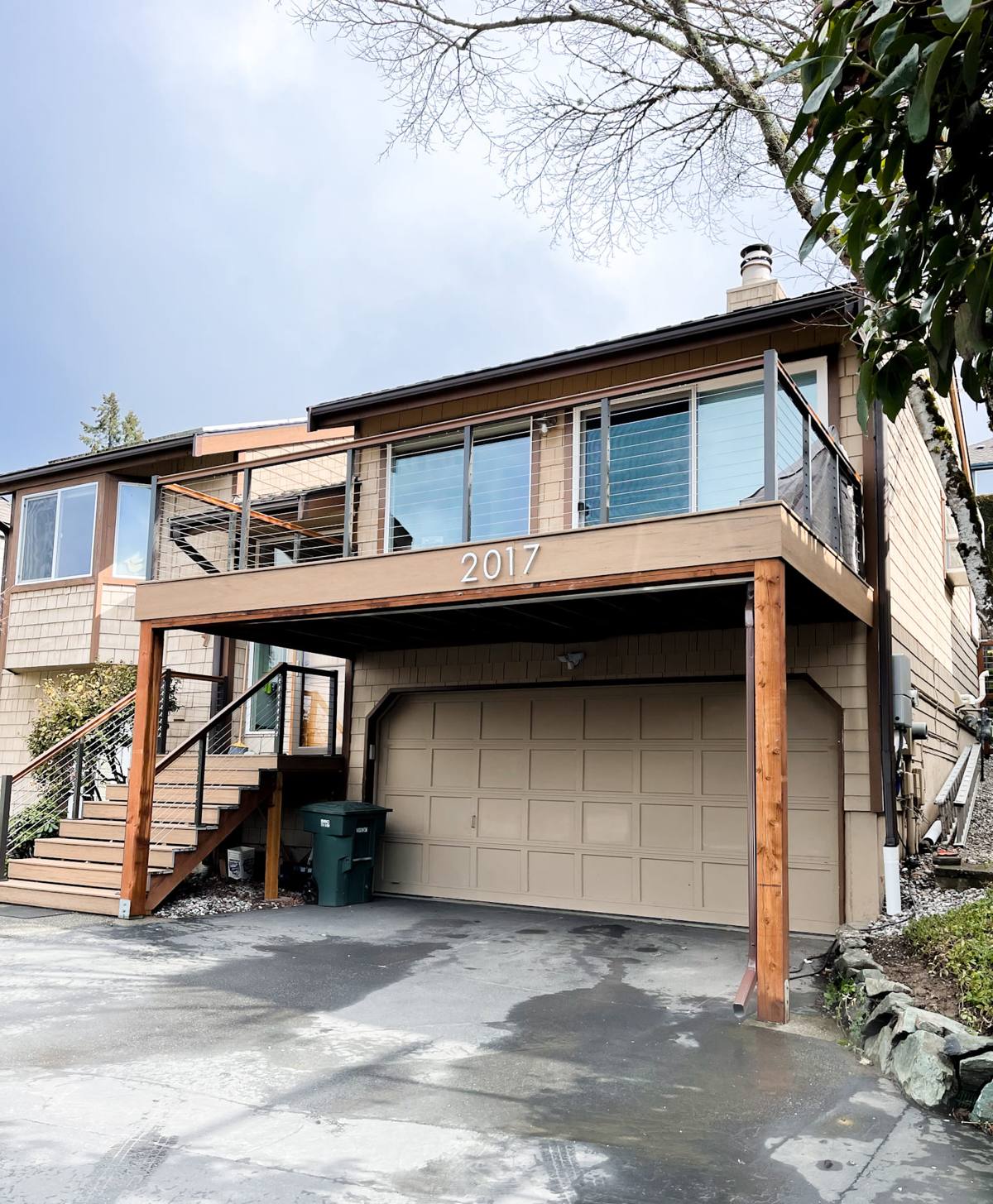
What "Custom" Actually Means for a Bow Home
Custom windows aren't just a bigger catalog. Older farmhouses, remodeled additions, and homes with non-standard openings around Bow often need windows built to exact rough-opening dimensions rather than the nearest stock size with shims and filler around the edges. That matters for two reasons: appearance and performance.
Sizing and Shape
A window that's genuinely sized to the opening seals better, because there's less gap for a crew to fill with foam and trim after the fact. Custom orders also cover shapes and configurations stock windows don't — arched tops, odd widths from older framing, or matching a replacement to windows elsewhere on the house that are no longer made.
Performance Specs
Custom also means choosing glass packages, frame materials, and hardware suited to the exposure of that particular wall. A window facing prevailing weather off the water doesn't need the same spec as one tucked under a covered porch on the lee side of the house. We spec each opening rather than treating the whole house as one order.
Choosing Materials for Salt Air and a Long Wet Season
Material choice is where most of the long-term performance difference gets decided. There's no single "best" window material for every situation — it depends on exposure, budget, and how much upkeep the homeowner wants to do.
| Material | Behavior in Salt Air & Rain | Maintenance | Typical Fit |
|---|---|---|---|
| Vinyl | Won't corrode; performs well against salt air; can flex slightly in temperature swings | Low — occasional cleaning | Most budgets, most exposures |
| Fiberglass | Very stable dimensionally, holds up well to sustained moisture and salt exposure | Low | Higher-exposure walls, longer-term investment |
| Aluminum | Strong but prone to corrosion near salt air unless properly coated; conducts cold | Moderate — watch hardware and finish | Specific architectural needs only |
| Wood / Wood-Clad | Handsome, but bare wood and even clad wood need attention where moisture sits | Higher — periodic inspection and finish upkeep | Homes prioritizing a specific look, with upkeep planned |
For most Bow homes catching real weather off the water, we steer people toward vinyl or fiberglass for the exposed elevations, and reserve wood or wood-clad for sheltered sides where the look matters more than raw exposure resistance. We'll walk your specific walls with you rather than recommend one material for the whole house by default.
Glass Packages
Double-pane glass with a low-E coating and argon fill is the baseline we'd recommend for this climate — it cuts down on both heat loss and the condensation that shows up on cold, damp mornings. Triple-pane is worth discussing for north- and west-facing rooms that catch the brunt of driving rain and wind, though it adds cost and weight that should be weighed against the specific opening.
The Installation Details That Actually Prevent Problems
The window unit itself is maybe half the job. The other half — flashing, sealing, and how the window ties into the wall assembly — is what determines whether water finds its way in five or ten years down the road. This is the part of custom window work that's easiest to shortcut and hardest for a homeowner to inspect after the fact.
- Proper flashing at the head, sides, and sill so water sheds outward and never behind the siding
- A correctly lapped weather-resistant barrier tied into the existing wall wrap, not just caulked over
- Sill pans or sloped sills so any water that does get past the outer seal drains back out instead of pooling
- Backer rod and quality exterior sealant sized to the gap — not sealant used to fill a gap that's too wide
- Shimming that supports the frame square and plumb without restricting the window's designed drainage paths
- Interior air sealing so conditioned air isn't leaking out around the frame, separate from the exterior weatherproofing
Skipping any one of these doesn't usually cause an obvious problem on day one. It shows up two or three wet seasons later as a soft spot in the sill, a musty smell near the window, or moss creeping onto trim that should have stayed dry. That's the failure pattern we see most often when we're called out to fix someone else's install.
Our Process From Estimate to Walkthrough
1. On-Site Assessment
We look at each opening individually — current condition, exposure, framing, and what's driving the replacement (drafts, fogged glass, moisture damage, or just wanting better performance).
2. Material and Spec Recommendations
We talk through material and glass options honestly, including trade-offs, rather than pushing one line of product regardless of fit.
3. Precise Measurement and Ordering
Custom units are measured and ordered to the actual opening, not estimated off a stock chart.
4. Removal and Inspection
When we pull the old window, we check the framing and sheathing underneath for hidden rot or moisture damage before anything new goes in — this is often where problems from a prior poor install get found.
5. Installation with Full Flashing and Air-Sealing Detail
Every unit gets flashed, sealed, and shimmed to the standard described above, not just set in place and caulked around the outside.
6. Final Walkthrough
We operate every window with you, check the seals, and go over any care or warranty items before we consider the job done.
Signs Your Current Windows Are Losing the Fight
A lot of homeowners in Skagit County live with window problems for years because they assume it's normal for the area. Some of it is climate — some of it is windows that were never sealed correctly to begin with.
- Fogging or a milky look between the panes (a sign the seal has failed and the gas fill is gone)
- Visible moss or dark staining on the sill, trim, or siding directly below a window
- A draft you can feel with your hand near the frame on a windy day
- Sashes that stick, won't stay open, or are hard to lock
- Soft or spongy wood at the sill or surrounding trim
- A noticeable jump in heating costs without another clear cause
Any one of these is worth a look. Several at once usually means the window, the install, or both are due for replacement rather than another round of caulk.
Timing the Work Around Skagit County Weather
Window replacement can happen most of the year here, but there are practical reasons to plan around the wettest stretches. Installing during a run of dry days lets sealants and flashing tape cure properly and keeps the wall cavity from taking on moisture during the swap. We plan installs around realistic weather windows rather than rigid calendar dates, and for larger jobs we can sequence work to keep any one opening exposed for as little time as possible.
Why It Matters That We Already Work in Bow
Exposure varies block to block in Skagit County — a home tucked behind trees a half-mile inland deals with different wind and moisture loads than one facing open water or fields near Bow. Knowing that difference, and speccing materials and flashing details accordingly, comes from working this specific area repeatedly, not from a generic install checklist written for the region as a whole. That local familiarity is a big part of why the installation details above get done consistently rather than treated as optional.
If your windows are showing their age or you're planning a remodel that includes custom sizes or shapes, we're happy to take a look and give you an honest, no-pressure estimate. Use the form below to get started.