 Skagit County
 New Roof Installation in Bow, Washington
Bow sits close enough to Samish Bay and the surrounding tidal flats that homes here deal with a different mix of weather than roofs a few miles inland in Mount Vernon or Sedro-Woolley. Salt-laden air off the water, long stretches of driving rain in the fall and winter, and a moss season that never really ends put steady stress on a roof system. When it's time for a full roof replacement, the goal isn't just to put new shingles on the house — it's to install a system that's matched to this specific stretch of Skagit County.
We install new roofs for Bow homeowners as part of the work we do throughout Skagit County, and the approach below reflects what we've found actually holds up out here, not a generic checklist.
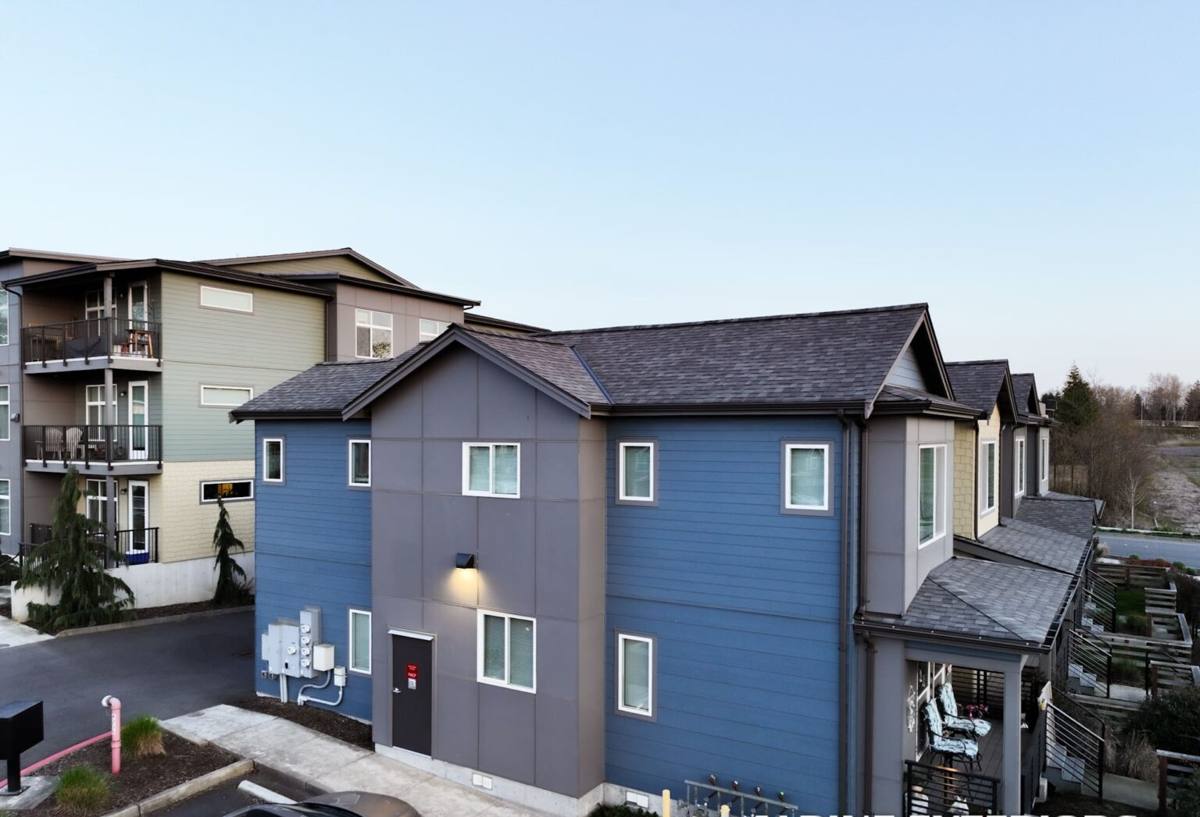
What Bow's Climate Does to a Roof
Salt Air and Metal Fasteners
Properties closer to the bay and the flats get exposure to salt-carrying air that inland roofs simply don't see. Over years, that air accelerates corrosion on exposed metal — flashing, fasteners, and any exposed hardware. A roof built for Bow needs corrosion-resistant metal choices and properly coated or stainless fasteners in the areas most exposed to that air, not the cheapest option that happens to pass code.
Driving Rain, Not Just Volume
Skagit County gets a lot of rain, but what matters more for roofing is that a good share of it arrives sideways, pushed by wind off the water. Driving rain finds weaknesses that straight-down rain never would — under-lapped shingle courses, undersized step flashing, valleys that weren't detailed carefully. A roof that's fine in a light inland drizzle can leak in Bow during a windy November storm if those details were rushed.
Moss and Organic Growth
Between the moisture and the shade many Bow properties get from mature trees, moss and algae growth on roofs is a near-constant battle. Left unmanaged, moss lifts shingle edges, holds moisture against the roof deck, and shortens the life of even a well-installed roof. New roof installation is the best point to build in moss resistance — it's much harder to retrofit later.
Signs a Bow Home Needs a New Roof, Not a Repair
- Granule loss heavy enough that you're finding grit in gutters and downspouts every time it rains
- Shingles that are cupping, curling, or cracking across large sections rather than one isolated spot
- Daylight visible through the roof deck from inside the attic
- Soft or spongy spots when walked on, which usually means the decking underneath has taken on moisture
- Repeated leaks in different spots after previous patch repairs
- Moss growth thick enough that it's lifting shingle tabs rather than just sitting on the surface
- A roof at or past the manufacturer's expected service life for its material, especially if it was installed without upgraded underlayment
If your roof shows one or two of these, a targeted repair may still make sense. If it's showing several at once, or the roof is old enough that repairs would just be delaying the inevitable, full replacement is usually the more honest recommendation — and we'll tell you which situation you're in rather than push a bigger job than you need.
What a Correct Roof Installation Involves in This Climate
Tear-Off and Deck Inspection
We don't install new roofing over old material, and we don't skip the deck inspection. Once the old roof is off, every section of decking gets checked for soft spots, delamination, or water staining. Any compromised plywood or sheathing gets replaced before anything new goes down — installing a new roof over a weak deck just hides a problem that will resurface.
Underlayment Built for Wind-Driven Rain
Given how much of Skagit County's rain arrives sideways, we don't treat underlayment as an afterthought. Synthetic underlayment with proper overlap, plus self-adhered membrane in vulnerable areas — eaves, valleys, and around penetrations — gives the roof a second line of defense if wind pushes water up under the shingle courses.
Flashing and Metal Details
Most roof leaks in this region trace back to flashing, not the field shingles themselves. Chimneys, skylights, sidewalls, and valleys all get properly integrated step flashing, counterflashing, and valley metal — sized and installed to shed water outward rather than relying on caulk to do the job long-term. Given the salt air exposure common around Bow, we pay particular attention to using metal and fasteners that will hold up rather than corrode prematurely.
Ventilation
A roof that can't breathe traps moisture in the attic, which speeds up deck rot and reduces the effectiveness of insulation below it. Balanced intake and exhaust ventilation is part of a correct installation, not an upgrade — it protects the investment you just made in the new roof from the inside out.
Moss-Resistant Material Choices
Where it fits the home and budget, we discuss algae- and moss-resistant shingle options with copper or zinc granule content, which slow regrowth compared to standard shingles. It's not a permanent fix — nothing is, in this climate — but it buys meaningfully more time between cleanings.
Roofing Material Options for Bow Homes
| Material | How It Handles This Climate | Maintenance Considerations |
|---|---|---|
| Architectural asphalt shingles | Solid performance against wind-driven rain when properly flashed; widely used and easy to source matching repairs later | Moss-resistant versions recommended in shaded, damp areas; periodic moss treatment still needed |
| Standing seam metal | Sheds driving rain efficiently and holds up well against wind; naturally moss-resistant surface | Higher upfront cost; coastal-grade coatings recommended near the bay to manage salt exposure |
| Synthetic/composite shingles | Good moisture and rot resistance; consistent appearance over time | Product-specific installation requirements; verify local warranty support |
There's no single "best" material for every Bow home — it depends on the roof's slope, the home's style, budget, and how much shade and moss exposure the property has. We'll walk through the honest trade-offs for your specific roof rather than push whatever has the best margin.
Our Roof Installation Process
- On-site inspection and estimate — we look at the existing roof, attic ventilation, and any problem areas before quoting anything
- Material selection — we walk through options suited to your home and Bow's specific exposure (sun, shade, proximity to the water)
- Scheduling around weather windows — in a rainy climate, timing matters; we plan installs to minimize the roof deck's exposure to open weather
- Tear-off and deck repair — old roofing removed, decking inspected and repaired as needed
- Underlayment and flashing installation — the layers that do the real work of keeping water out
- Roofing material installation — installed to manufacturer specification, not shortcuts
- Ventilation check and cleanup — intake and exhaust confirmed, site cleaned, magnetic sweep for nails and debris
- Final walkthrough — we go over the finished roof with you before calling the job done
Why Local Experience in Skagit County Matters
A crew that mostly works dry inland climates can still build a technically code-compliant roof and have it underperform in Bow. The details that matter here — flashing sized for wind-driven rain, fastener choices that account for salt air, underlayment coverage in valleys and eaves — come from having actually dealt with what this specific stretch of coastline does to a roof over time. We work throughout Skagit County, and Bow's proximity to the bay is one of the reasons we don't treat every roof in the county identically.
Local experience also means faster response if something needs attention after the fact. You're not waiting on a crew driving in from out of the area to warranty a flashing detail or check a spot after a big storm.
Planning and Cost Factors
Every roof is different, and we don't publish blanket pricing because it would be misleading — the real cost depends on the specifics below. What we can tell you honestly is what drives the number up or down.
- Roof size and pitch — steeper roofs take longer and require more safety setup, which affects labor cost
- Number of layers being removed — tearing off multiple old layers costs more than a single-layer tear-off
- Deck condition — hidden rot or soft decking found during tear-off adds material and labor
- Material choice — asphalt, metal, and composite options carry different price points
- Roof complexity — valleys, dormers, chimneys, and skylights all add flashing work
- Ventilation upgrades — adding intake or exhaust vents where the existing system is inadequate
We provide a written estimate that breaks these factors out so you know what you're paying for, not a single lump number with no explanation behind it.
Get a Straight Answer About Your Roof
If your roof in Bow is showing its age, dealing with recurring moss, or you just want an honest opinion on whether it's worth repairing versus replacing, we're happy to take a look. Fill out the form below for a free, no-pressure estimate — we'll tell you what we actually see, not just what sells the biggest job.