 Skagit County
 Metal Roofing for Clear Lake Homes
Clear Lake sits in one of the wetter, more heavily wooded pockets of Skagit County, and that combination shapes what a roof needs to do here. Tree cover means shade, damp air that lingers instead of drying off in the afternoon sun, and a steady supply of needles and leaf litter looking for somewhere to collect. Add in the driving rain that rolls through the county for months at a stretch, plus the salt-laden air that reaches inland from Puget Sound and the Sound-fed river valleys, and you've got a climate that is genuinely hard on a roof. Metal roofing has become a popular answer for homeowners here because, installed correctly, it handles all three of those pressures better than most other roofing materials available in this price range.
This page is about metal roofing specifically for Clear Lake properties — what the local conditions demand, what a correct installation actually involves, and how we approach the job when we're working in this part of the county.
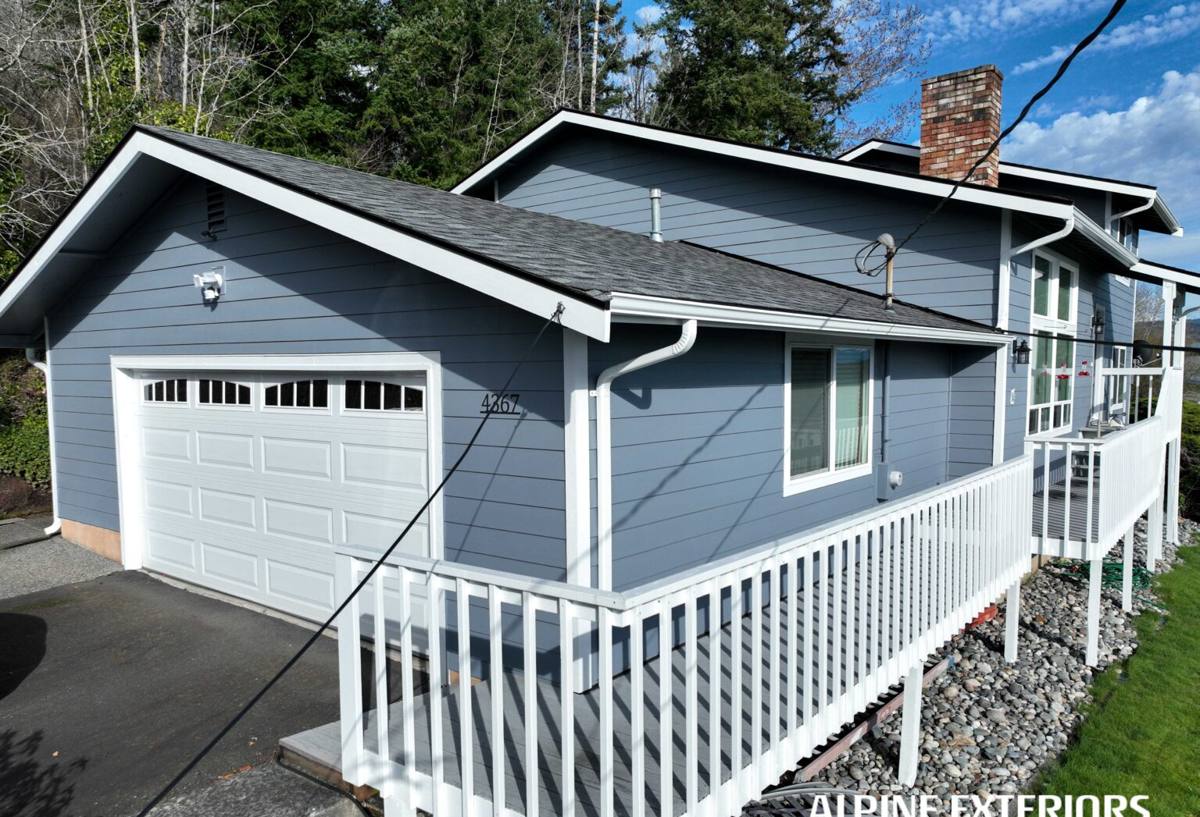
What Clear Lake's Climate Actually Does to a Roof
Moss and Shade
Wooded lots and lake-adjacent tree lines mean a lot of Clear Lake roofs spend large parts of the year in partial shade. Shaded, damp roof surfaces are exactly where moss and algae take hold, and once moss establishes on a roof it holds moisture against the surface long after the rest of the neighborhood has dried out. On shingles, that trapped moisture works into the granule layer and shortens the material's life. On a properly installed metal roof, there's no organic mat for moss to root into — the surface sheds water fast and dries quickly, which is one of the main reasons metal holds up so much better in the shaded, tree-heavy parts of the county.
Driving Rain
Skagit County rain isn't always straight-down rain. Wind-driven storms push water sideways and upward under laps, ridge caps, and flashing details that weren't built to handle it. This is where the difference between a correctly installed metal roof and a poorly installed one shows up fastest — not in the panels themselves, but in the underlayment, the fastener pattern, and the flashing around every penetration and edge.
Salt Air and Moisture Cycling
Air carrying salt moves further inland than most homeowners assume, especially during winter storm patterns. Salt exposure accelerates corrosion on unprotected metal and hardware, which is why material choice and fastener quality matter more here than they would in a dry inland climate. It also means a roof that's constantly cycling between wet and dry — rather than one that's simply rained on and left alone — puts extra stress on seams, sealants, and any exposed fasteners over time.
Why Metal Roofing Fits This Environment
None of this means metal roofing is the only correct choice for every Clear Lake home — but it's a strong fit for the conditions described above, for a few concrete reasons:
- Steep pitch and slick surface shed rain and moss spores instead of holding onto them
- No exposed granule layer to erode or trap moisture the way asphalt shingles do
- Coated steel and aluminum panels resist corrosion far better than bare fasteners or unprotected trim
- Long service life reduces how often a roof has to be re-opened and re-flashed, which is when leaks most often get introduced
- Lighter weight than many roofing materials, which is easier on older framing common in this area
Metal Roofing Systems: What's Actually Available
"Metal roofing" covers more than one product, and the differences matter for how a roof performs under Clear Lake conditions.
| System | How It's Fastened | Best Suited For |
|---|---|---|
| Standing Seam | Concealed clips, no exposed fasteners through the panel | Homes wanting the longest service life and lowest maintenance in a wet, wooded lot |
| Exposed Fastener Panel | Screws driven directly through the panel face | Budget-conscious projects; requires periodic fastener inspection and re-torquing |
| Stone-Coated Steel | Interlocking panels, often mimicking shingle or shake profiles | Homeowners who want a metal roof's durability with a more traditional look |
Standing seam is generally our recommendation for homes with heavy tree cover, because the concealed fastening system removes the weak point that salt air and moisture cycling attack first: exposed screws and washers. Exposed fastener panels can still be a sound, cost-effective choice, but they come with a maintenance commitment — those fasteners and their rubber washers age faster in this climate and need to be checked periodically, something we're upfront about before anyone commits to that system.
What a Correct Installation Actually Involves
The panels get most of the attention, but on a metal roof the details underneath and around them are what actually keep water out over the long run.
Underlayment
A synthetic, high-temperature underlayment goes down first. In an area with this much sustained moisture, we don't cut corners here — it's the backup layer that protects the deck if wind-driven rain ever gets past the panels themselves.
Fastening and Panel Layout
Panel spacing, clip or screw pattern, and expansion allowance all have to be set correctly for the specific panel profile and roof geometry. Metal expands and contracts with temperature swings, and a system that doesn't account for that will eventually develop stress points at the seams.
Flashing and Penetrations
Valleys, chimneys, vent pipes, skylights, and wall-to-roof transitions are where the overwhelming majority of roof leaks start — on metal roofs and every other type. Custom-formed flashing, properly lapped and sealed in the right sequence, is non-negotiable, especially with driving rain in the mix.
Ventilation
A metal roof still needs a properly vented attic underneath it. Without adequate intake and exhaust airflow, moisture from inside the home can condense against the underside of the deck regardless of how good the roof surface is. We check attic ventilation as part of every metal roofing project, not as an afterthought.
Our Process for Clear Lake Roofing Projects
- On-site assessment — we walk the roof and attic, note tree cover, existing moss or moisture damage, and the condition of the current deck and flashing
- System recommendation — based on the roof's exposure, pitch, and your budget, we recommend a panel system and walk through the trade-offs honestly
- Tear-off and deck inspection — old roofing comes off and the deck is inspected for rot or soft spots before anything new goes down
- Underlayment and flashing — synthetic underlayment and custom flashing go in first, sealing every penetration and transition
- Panel installation — panels are installed to the manufacturer's spec for fastening pattern, seam sealing, and expansion allowance
- Final walkthrough — we go over the finished roof with you, including any maintenance recommendations specific to your property's shade and exposure
What Affects the Cost
Metal roofing costs more upfront than asphalt shingles, and the total for any given Clear Lake home depends on several factors:
| Factor | Why It Matters |
|---|---|
| Panel system chosen | Standing seam costs more than exposed fastener panels due to material and labor |
| Roof complexity | Valleys, dormers, and multiple roof planes add flashing work and labor time |
| Existing deck condition | Rot or soft decking found during tear-off needs to be replaced before installation continues |
| Roof pitch and access | Steep or hard-to-access roofs take longer and require additional safety setup |
| Ventilation upgrades | Adding or correcting attic ventilation during the project affects total scope |
We don't quote a number without seeing the roof — pitch, square footage, and current condition all move the price too much to guess. What we can promise is a written estimate that breaks down exactly what's included, with no surprise add-ons once the tear-off starts.
Maintenance in a Wooded, Wet Environment
A metal roof needs less maintenance than shingles, but "less" isn't "none," especially on a lake-adjacent, tree-covered lot. A few habits go a long way:
- Clear gutters and valleys of needles and leaf debris at least twice a year
- Trim back branches that overhang the roofline to reduce shade and debris buildup
- Rinse off accumulated organic debris rather than letting it sit and hold moisture against panels
- Have exposed fasteners checked periodically if you have an exposed-fastener system
- Watch for any staining or streaking at seams or flashing points after major storms
Signs It's Time to Replace Your Roof
Not every roof problem means a full replacement, but these are the signs worth having looked at before they turn into deck damage or interior leaks:
- Visible moss growth that keeps coming back after cleaning
- Rust streaking, especially around fasteners or flashing on an older metal roof
- Soft spots or sagging noticeable from inside the attic
- Water stains on interior ceilings, particularly near valleys or chimneys
- Loose, lifted, or missing panels or shingles after a windstorm
- A roof original to the home that's approaching or past its expected service life
Why Local Experience in Clear Lake Matters
Roofing crews who haven't worked in this specific kind of environment tend to underestimate how much shade, moisture, and tree debris a Clear Lake roof deals with compared to a roof on an open lot elsewhere in the county. That shows up in decisions like underlayment quality, ventilation planning, and how much attention gets paid to valleys and flashing on a roof with several planes. We work throughout Skagit County, including Clear Lake, and we build every metal roofing project around the conditions that specific roof actually faces — not a generic spec sheet.
If you're weighing a metal roof for your Clear Lake home, we're happy to take a look, answer questions honestly, and put together a written estimate with no pressure to sign anything on the spot. Reach out using the form below to get started.