 Skagit County
 Roofing a Home in Edison, Skagit County
Edison sits close to Samish Bay and the tidal flats of Skagit County, which means roofs here take on a mix of challenges that inland homes don't deal with as heavily. Salt-laden air moves in off the water, driving rain comes in sideways during winter storms, and the combination of shade, moisture, and mild temperatures gives moss a long season to establish itself on north-facing slopes. An asphalt shingle roof can handle all of this well, but only if it's specified and installed with those conditions in mind rather than treated as a generic install.
This page covers what we look at specifically for asphalt shingle roofing in Edison — not roofing in general — and why the details matter more here than they would in a drier, more sheltered part of the county.
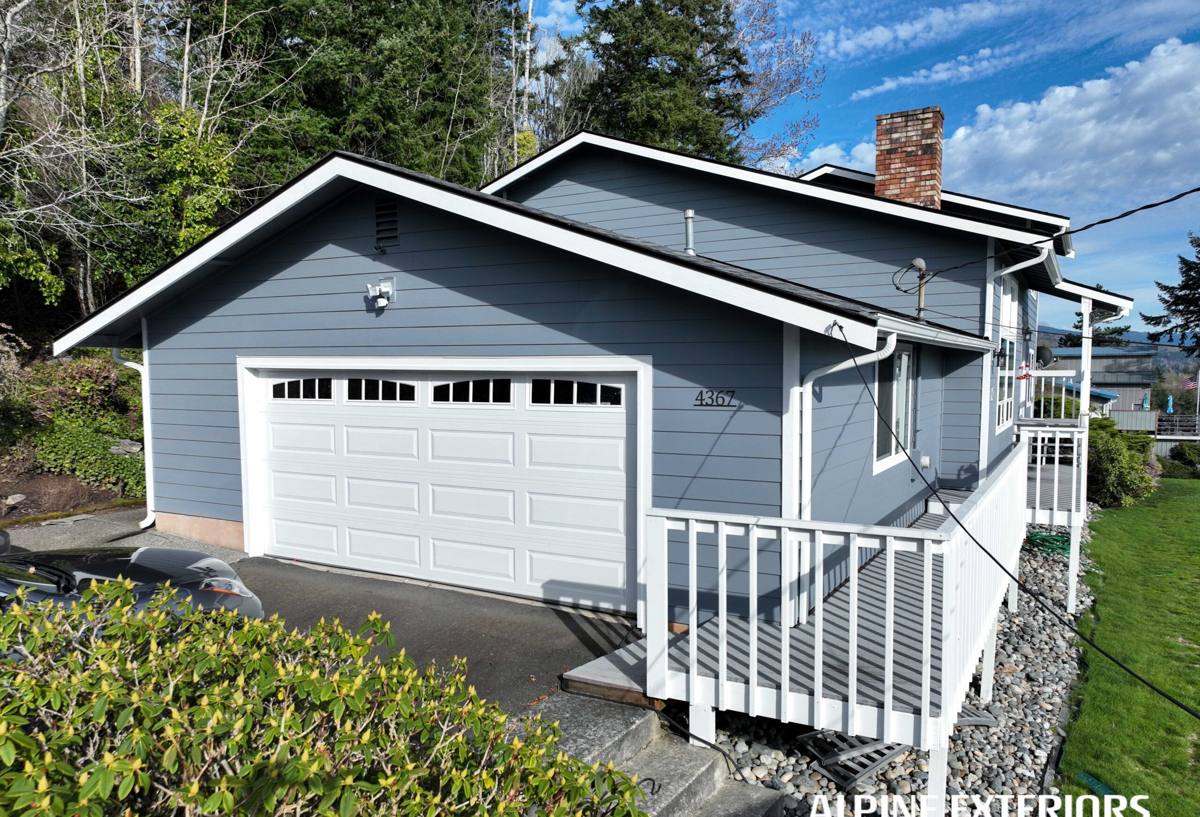
What Edison's Climate Actually Does to a Roof
Salt Air and Metal Fatigue
Homes closer to the water see accelerated corrosion on exposed metal — flashing, drip edge, nail heads, and roof vents. Standard galvanized fasteners and thin-gauge flashing can start showing rust streaks years before they would further inland. This doesn't mean asphalt shingles are a poor fit near the bay; it means the metal components tied into the shingle system need to be chosen for that exposure.
Driving Rain
Skagit County storms frequently come with enough wind to push rain sideways and up under shingle edges, rather than straight down. That puts extra load on underlayment, valley protection, and the seal strip on each shingle. A roof that would perform fine in a calmer climate can develop leaks at valleys, eaves, and sidewalls here if those details are rushed.
Moss and Shade
Edison's tree cover and marine-layer humidity keep roofs damp longer after a rain than they would be in a drier climate. Moss and algae take hold fastest on north- and east-facing slopes that don't get much direct sun. Left alone, moss lifts shingle edges, holds moisture against the roof deck, and shortens the life of the roofing system well before the shingles themselves have worn out.
What a Correct Installation Involves Here
A shingle roof is a system, not just a layer of shingles nailed to a deck. For Edison conditions, we pay particular attention to a few components that are easy to shortcut and hard to inspect once the roof is finished.
- Ice and water shield at eaves and valleys — a self-adhering waterproof membrane installed under the shingles at the areas most exposed to wind-driven rain and standing water.
- Synthetic underlayment across the full deck — more tear-resistant and moisture-stable than old-style felt, and it holds up better during the exposed period between tear-off and shingle install.
- Corrosion-resistant flashing and fasteners — around chimneys, skylights, sidewalls, and at drip edges, especially on homes closer to the bay.
- Proper nailing pattern and placement — nails set too high or too low on the shingle reduce wind resistance and void manufacturer warranties, even if the roof looks fine from the ground.
- Balanced attic ventilation — intake at the eaves and exhaust at the ridge, so moisture from inside the home doesn't condense against the underside of the deck and accelerate rot from below.
Choosing Shingles for This Climate
Not every asphalt shingle product is built the same way, and the differences matter more in a damp, shaded, salt-influenced climate like Edison's than they would somewhere hot and dry.
| Shingle Type | Typical Lifespan | Fit for Edison Conditions |
|---|---|---|
| 3-tab shingles | 15–20 years | Lower cost, lighter wind rating; workable on smaller or budget-conscious projects but less margin against driving rain and wind gusts off the water |
| Architectural (laminate) shingles | 25–30 years | Heavier, higher wind rating, better performance under sustained rain; the standard choice we recommend for most Edison homes |
| Algae-resistant (AR) shingles | Same as base product, warranty-backed against streaking | Worth the upgrade on shaded or north-facing roofs where moss and algae take hold fastest |
| Impact-rated (Class 4) shingles | Similar to architectural, added durability | Optional; more relevant where hail is a concern than for Skagit County's wind-and-rain profile |
For most homes in Edison, an architectural shingle with an algae-resistant rating is the practical middle ground — it costs more upfront than 3-tab but holds up better against both the wind exposure and the moss pressure this area sees.
Common Problems We Find on Edison Roofs
Moss Growth Beyond Surface Staining
By the time moss is visible from the ground, it has often already worked its way under shingle edges on the shaded side of the roof. Left unaddressed for a season or two, it lifts shingle tabs and traps moisture against the deck.
Nail Pops and Seal Failures
Temperature swings and wind flex over the years can back nails out slightly, breaking the shingle's seal strip. Once that seal is broken, wind-driven rain has an easier path underneath.
Flashing Rust and Failure
Around chimneys, skylights, and where a roof meets a wall, corroded or improperly lapped flashing is one of the most common leak sources we find — more so on homes with direct exposure to salt air off the bay.
Granule Loss on Older Roofs
Constant damp cycling and moss root systems can accelerate granule loss, which shows up as bald patches and thinning color on older shingle roofs. Granules are what protect the shingle's asphalt layer from UV and weather, so their loss speeds up further deterioration.
How We Approach a Shingle Roofing Project in Edison
- Inspection and assessment — we check the current roof, decking condition, flashing, ventilation, and any moss or moisture damage before recommending a repair versus a full replacement.
- Tear-off and deck check — old roofing is removed down to the deck so we can actually see the plywood or sheathing underneath and replace any sections that have soft spots or rot.
- Underlayment and waterproofing — ice and water shield at vulnerable areas, synthetic underlayment across the rest of the deck.
- Flashing and ventilation work — new flashing at penetrations and transitions, and confirmation that intake and exhaust ventilation are balanced.
- Shingle installation — installed to manufacturer nailing specs, not just "close enough," so the wind-rating and warranty actually apply.
- Cleanup and walkthrough — job site cleared of debris and nails, and we walk the finished roof with the homeowner.
Cost Factors for a Shingle Roof in Edison
| Factor | Why It Matters Here |
|---|---|
| Roof size and pitch | Steeper or more complex roofs take longer and require more safety setup, which affects labor cost |
| Deck condition | Rot or soft decking found during tear-off adds material and labor to replace before shingles can go down |
| Shingle grade selected | 3-tab vs. architectural vs. algae-resistant options carry different material costs |
| Flashing and ventilation upgrades | Older homes often need updated flashing or added ventilation to meet current best practice, not just a shingle swap |
| Access and site conditions | Tree cover, driveway access, and staging space affect how straightforward the tear-off and material delivery are |
We give a firm number after seeing the roof in person — general ranges without an on-site look tend to be wrong in one direction or the other once the deck is actually opened up.
Maintenance That Actually Extends Roof Life Here
A well-installed shingle roof in Edison will still benefit from some basic upkeep given the moss and moisture pressure in this area. A short annual checklist covers most of it:
- Keep gutters and valleys clear of needles and debris so water has a clear path off the roof.
- Trim back overhanging branches to reduce shade and debris buildup on north-facing slopes.
- Address moss early with proper roof-safe treatment rather than letting it establish under shingle edges.
- Have flashing around chimneys, skylights, and sidewalls checked periodically, especially on homes closer to the water.
- Confirm attic ventilation isn't blocked by insulation or debris, since poor airflow shortens shingle life from underneath.
Why It Matters to Hire a Crew That Works This Area
A roofing crew that regularly works in Edison and the surrounding parts of Skagit County already knows which slopes see moss first, which fastener and flashing choices hold up against salt air, and how local wind and rain patterns stress a roof over time. That's different knowledge than a crew that mostly works drier, more sheltered inland areas and treats every job the same way. It also means familiarity with local permitting requirements and a realistic sense of weather windows for scheduling tear-off and installation without leaving a deck exposed longer than it should be.
If you're dealing with an aging shingle roof, ongoing moss issues, or you're planning ahead for a replacement, we're happy to take a look and walk you through what your specific roof needs. Reach out for a free, no-pressure estimate using the form below.