 Skagit County
 Siding Installation in Hamilton: What Local Homes Are Up Against
Hamilton sits in the upriver reaches of Skagit County, tucked into a forested valley along the Skagit River corridor. It's a different exposure than the open, wind-scoured lowlands closer to the water, but that doesn't mean easier — homes here spend much of the year shaded by tree cover, sitting in damp air that's slow to burn off, and taking on driving rain that comes sideways off the valley more often than most homeowners realize. Add in the salt-tinged, moisture-heavy air that moves through the whole Skagit County region off Puget Sound, and you've got a climate that is genuinely hard on exterior building materials, siding included.
This page is specifically about siding installation for homes in and around Hamilton — not a generic overview. If you own a home here, or you're planning a new build, the decisions you make about siding material and installation detail matter more than they would in a milder climate, and they matter in specific ways tied to this valley.
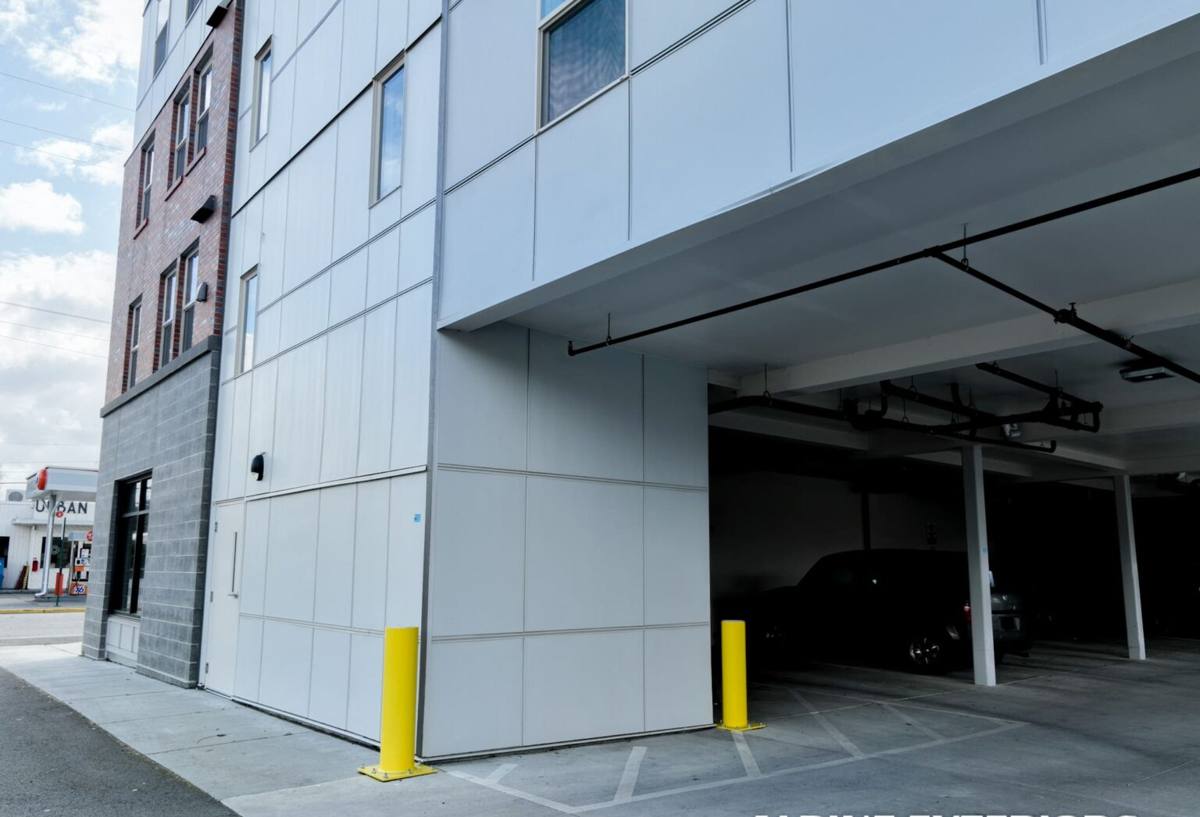
Why Hamilton's Climate Demands More From Your Siding
Driving Rain and Wind-Driven Moisture
Western Washington storms rarely fall straight down. Wind pushes rain sideways into wall assemblies, and in a river valley like Hamilton's, gusts can funnel unpredictably between hillsides. Siding that isn't installed with proper overlaps, flashing, and clearances will let that wind-driven water find its way behind the cladding — where it does the real damage, out of sight, in sheathing and framing.
A Long Moss and Shade Season
Heavy tree cover is part of what makes Hamilton a nice place to live, but it also means many homes get long stretches of shade, especially on north- and east-facing walls. Shaded, damp surfaces are exactly where moss, algae, and mildew take hold, and once organic growth gets established on siding, it holds moisture against the surface even longer — a cycle that accelerates rot in wood-based products and staining on almost anything.
Persistent Humidity and Trapped Moisture
Even without visible rain, the air in this part of Skagit County stays humid for long stretches, especially in fall and winter. Materials that absorb moisture — untreated wood, some composite panels — swell, then dry, then swell again. That repeated cycling is what eventually causes warping, cupping, and paint or finish failure, even on a product that looked fine when it went up.
What a Correct Siding Installation Actually Involves
A siding job that holds up in Hamilton isn't just about the panel you choose — it's about the assembly behind and around it. Skipping any one of these steps is how a siding job that looks fine in year one starts failing by year five.
Water-Resistive Barrier and Flashing First
Before any siding goes up, the wall needs a continuous, properly lapped water-resistive barrier, and every penetration — windows, doors, hose bibs, vents, electrical — needs correctly integrated flashing so water is directed out, not behind the barrier. This layer is what actually keeps a house dry; the siding is the second line of defense, not the first.
Fastening and Clearances
Fiber cement siding has specific fastening patterns, nail penetration depth, and clearance requirements from grade, roof lines, decks, and abutting surfaces. Panels installed too tight to the ground or too close to a roofline trap moisture and invite rot at the point of contact, regardless of what the siding itself is made of.
Joints, Caulking, and Factory Finish
Butt joints, corners, and trim intersections are where most siding failures start. Correct installation keeps field-cut edges properly sealed or back-primed, uses the right caulk in the right places (and not as a substitute for proper flashing), and preserves the factory finish rather than compromising it with careless handling or over-caulking.
Why We Install Only James Hardie Fiber Cement
We don't install vinyl, LP SmartSide, cedar, primed spruce, or other fiber cement brands. That's a deliberate standard, not a sales pitch. In a climate like Hamilton's — shaded, damp, and prone to driving rain — the material that goes on the wall needs to resist moisture absorption, resist organic growth, and hold its finish for decades without becoming a maintenance project. James Hardie fiber cement is engineered specifically for that: it doesn't absorb and swell like wood-based products, it's non-combustible, and its ColorPlus factory finish is baked on and warrantied against fading, well beyond what field-applied paint typically holds up to in this kind of humidity. Hardie also builds region-specific HZ5 product lines engineered for the Pacific Northwest's freeze-thaw and moisture cycles, which matters directly for a valley climate like Hamilton's.
Our Installation Process, Step by Step
- Site and wall assessment — checking existing sheathing, moisture barrier condition, and any rot or damage before a single panel is ordered.
- Removal of old siding — done carefully to inspect what's underneath rather than covering up existing problems.
- Sheathing repair, if needed — any soft or water-damaged sheathing gets replaced, not siding-over.
- Water-resistive barrier and flashing installation — the step that determines whether the house actually stays dry.
- James Hardie panel installation — following Hardie's published fastening, clearance, and joint specifications, not shortcuts.
- Trim, corners, and caulking — finished to shed water at every transition point.
- Final walk-through — reviewing the completed work with the homeowner before we consider the job done.
Comparing Siding Options for a Climate Like Hamilton's
Homeowners often ask why we don't offer cheaper alternatives. Here's an honest comparison of how common siding materials actually perform under the conditions this valley sees.
| Material | Moisture/Rot Resistance | Moss & Mildew Resistance | Maintenance | Fire Resistance |
|---|---|---|---|---|
| James Hardie Fiber Cement | Excellent — cement-based, doesn't absorb and swell | Strong — factory finish resists organic growth staining | Low — occasional rinse | Non-combustible |
| Vinyl | Doesn't rot, but can warp/buckle with heat and settling | Moderate — growth sits on the surface and stains | Low, but fades and becomes brittle over time | Combustible, can melt/deform |
| LP SmartSide / Engineered Wood | Moderate — treated, but wood-based and moisture-sensitive at cut edges | Moderate, requires diligent sealing at seams | Moderate — edge sealing and inspection needed | Combustible |
| Cedar / Primed Spruce | Poor to moderate — natural wood, absorbs moisture | Poor in shaded, damp conditions without upkeep | High — refinishing on a recurring cycle | Combustible |
Signs Your Current Siding Is Already Failing
Because so much of the damage happens behind the surface, siding problems in Hamilton's climate often show up later than they should. Watch for these:
- Dark streaking or green/black growth that returns quickly after cleaning
- Soft spots or slight give when you press on the siding, especially near the bottom edge
- Paint or finish that's peeling, bubbling, or chalking unevenly
- Visible gaps or separation at seams, corners, or trim boards
- A musty smell near exterior walls or noticeably higher indoor humidity in one room
- Warping, cupping, or waviness visible when you sight down a wall
Any one of these is worth a professional look before it becomes a sheathing or framing repair rather than a siding repair.
What to Expect From a Properly Installed Job
Whether you're getting a quote from us or comparing bids, this is a reasonable checklist for what correct installation should include, regardless of who does the work:
- A written scope that specifies water-resistive barrier and flashing details, not just "new siding installed"
- Confirmation that damaged sheathing will be replaced, not covered
- Manufacturer-specified fastening pattern and clearances from grade, roofline, and decks
- A finish and color warranty backed by the manufacturer, not just the installer
- A clear plan for trim, corner, and joint treatment before work starts, not decided on the fly
Cost Factors for Siding Installation in Hamilton
Every home is different, but the biggest cost drivers for a siding installation in this area tend to be the same handful of factors: the condition of the existing wall assembly (hidden rot adds labor before a single new panel goes up), the complexity of the home's shape (corners, trim, and roof intersections all add labor), site access in a wooded or sloped lot, and the siding profile and color chosen. We'll always give you a real number based on your specific home rather than a rough estimate that changes once we're on site — but expect that a home needing sheathing repair or extensive trim work will cost more than a straightforward re-side of a simple wall.
Why Hiring a Crew That Already Works in Hamilton Matters
Siding installation isn't a one-size-fits-all trade. A crew that regularly works Skagit County's upriver communities already understands how shade patterns, driving rain direction, and humidity play out on homes in this specific setting — not just the general Pacific Northwest climate, but the particular way it shows up in a river valley like Hamilton's. That local pattern recognition affects real decisions: where extra flashing attention matters most, which walls need the most careful joint sealing, and which parts of a home are most exposed to wind-driven rain. It also means a crew that isn't guessing at permitting, local suppliers, or realistic project timing for this area.
If you're planning a siding installation in Hamilton and want an honest, no-pressure look at your home's specific situation, we're glad to walk the property with you and give you a straightforward estimate — no hard sell, just a clear look at what your home actually needs.