 Skagit County
 Windows Built for La Conner's Waterfront Climate
La Conner sits right on the water, and that changes what a window has to survive. Homes here deal with salt-laden air off the Swinomish Channel, wind-driven rain that hits siding and window walls at an angle instead of straight down, and long stretches of damp, low-light months that keep everything around the house wetter for longer than most inland Skagit County neighborhoods. A window that would hold up fine in a drier part of the state can start showing problems in La Conner years earlier — sticking sashes, fogged glass, soft trim, or frames that swell and won't latch cleanly.
"Custom windows" doesn't mean fancy or oversized. It means windows sized, flashed, and detailed to fit your specific opening and your specific exposure, rather than a stock unit forced into a hole and caulked around the edges. For a lot of La Conner homes — especially older ones near the water or homes with non-standard framing — that custom fit is what actually keeps water out.
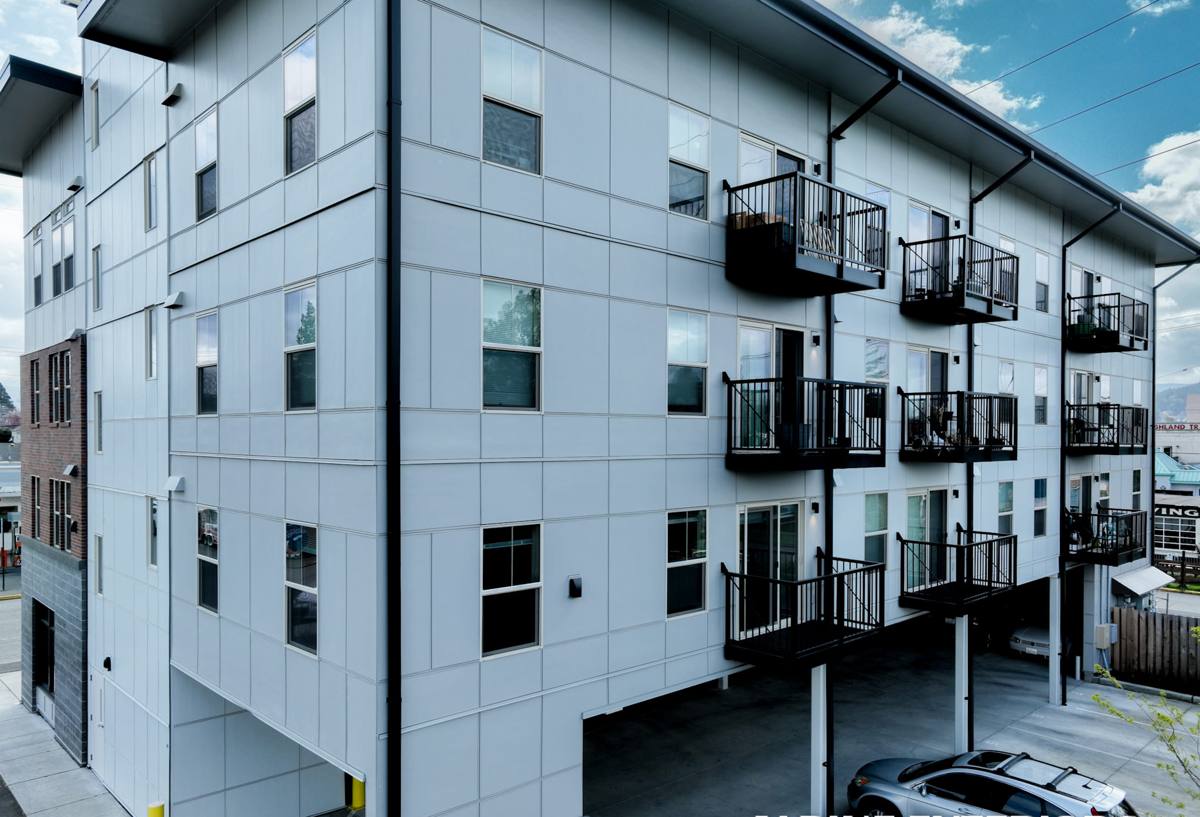
What Salt Air and Driving Rain Actually Do to Windows
It helps to understand the failure pattern instead of just being told "the coast is tough on windows."
Salt air
Airborne salt is corrosive to exposed metal — hinges, cranks, screws, and lower-grade aluminum or steel components in a window assembly. Over time it can pit hardware and accelerate corrosion on fasteners that were never rated for a marine-influenced environment. It also settles as a fine film on glass and frames, which holds moisture against the surface longer than a rinse from plain rain would.
Driving rain
Wind off the water pushes rain sideways into wall assemblies, not just down onto sills. That means the flashing detail around a window — not just the window unit itself — is doing a lot of the work. A perfectly good window installed with sloppy flashing or the wrong sealant will still leak in a La Conner windstorm.
Moss season
Skagit County's long wet season keeps north- and shade-facing surfaces damp for months at a stretch. Moss and algae don't just grow on roofs — they take hold on window sills, trim, and cladding wherever moisture sits instead of draining. That constant dampness is what rots wood trim and breaks down cheap caulk joints faster than dry-climate wear ever would.
Signs a La Conner Home Needs Window Attention
- Fogging or a visible haze between panes of a double- or triple-pane unit — the seal has failed and the argon gas or dead-air space is gone
- Soft, dark, or crumbling wood trim around the frame, especially on the sill or lower corners
- Drafts you can feel with a hand near the frame on a windy day, even with the window latched
- Sashes that stick, drag, or won't fully latch — often a sign of frame swelling or settling
- Visible corrosion or a chalky white residue on aluminum frames or hardware
- Paint that's peeling or bubbling specifically around the window opening, which usually points to trapped moisture underneath
- Moss or dark staining building up on the sill or bottom trim between cleanings
Any one of these is worth a look. Several at once, especially on a wall that faces the water or prevailing wind, usually means the flashing or seal — not just the glass — needs to be addressed.
What a Correct Window Job Involves
The window itself is maybe half the job. The other half is everything around it, and it's the part that's easy to shortcut and hard to inspect once the trim goes back on.
Removal and opening prep
We pull the old unit and check the rough opening for rot, soft framing, or existing water damage before anything new goes in. Installing a new window into a compromised opening just hides the problem for a while.
Flashing and drainage
Proper flashing directs any water that gets past the window back out, not into the wall cavity. This is the single most important step for a home taking direct wind-driven rain, and it's the step that fails most often on rushed jobs.
Sealing
We use sealants and backer materials rated for the exposure, not whatever tube of caulk is on hand. Salt air and constant moisture break down low-grade sealant faster than the warranty period on the window itself.
Fit and sizing
Older La Conner homes, especially near the historic core or on older lots, don't always have square, standard-sized openings. Custom sizing means the window is built or trimmed to the actual opening rather than papering over a gap with extra caulk and hoping.
Finish work
Trim, interior finish, and exterior cladding tie-in get put back correctly so the whole assembly sheds water the way it's supposed to, not just the window pane itself.
Choosing Frame and Glass Materials for a Marine Climate
Every frame material has trade-offs. In a salt air, high-moisture environment like La Conner, those trade-offs matter more than they would inland.
| Frame Material | How It Handles This Climate | Maintenance |
|---|---|---|
| Vinyl | Doesn't corrode or rot; handles moisture and salt exposure well | Low — occasional cleaning, no painting |
| Fiberglass | Very stable, resists warping and expansion/contraction from wet-dry cycles | Low — durable finish, minimal upkeep |
| Wood-clad | Good insulator and classic look, but cladding seams need attention near salt air | Moderate — check seals and joints regularly |
| Solid wood | Best fit for historic-style homes but most vulnerable to constant moisture and rot without diligent upkeep | High — repainting, sealing, and inspection needed |
| Aluminum | Strong but prone to corrosion and pitting in salt air unless marine-grade and well-finished | Moderate to high — watch for corrosion at hardware and joints |
For glass, dual-pane with a low-E coating is the practical baseline for this climate — it cuts heat loss through Skagit County's cool, wet winters and helps with glare off the water in summer. Where noise or added durability matters, triple-pane or laminated glass options are worth discussing, but they come with added weight and cost that should match the actual opening, not just be upsold across the board.
What Affects the Cost of a Custom Window Job
| Factor | Why It Matters |
|---|---|
| Opening condition | Rot or framing repair adds labor before the new window ever goes in |
| Frame material | Vinyl and fiberglass are generally more budget-friendly; wood and specialty finishes cost more |
| Glass package | Dual-pane low-E is standard; triple-pane or laminated glass adds cost |
| Custom sizing | Non-standard openings cost more to fit correctly than stock sizes |
| Number of openings | Doing multiple windows in one project usually reduces per-window labor cost |
| Access and exposure | Upper-floor or water-facing units can require more setup and care |
We give straightforward, itemized estimates so you can see what's driving the price rather than one flat number with no explanation. There's no single "average price" that means much without knowing your specific openings and conditions.
Our Process for La Conner Window Projects
- On-site assessment — we look at each opening, note exposure to wind and water, and check for any existing damage before quoting anything
- Honest recommendation — we tell you what actually fits your home's exposure and budget, not just the highest-margin option
- Written estimate — clear line items for materials, labor, and any framing repair needed
- Careful removal — old units come out without damaging surrounding siding or trim more than necessary
- Proper flashing and install — the step that determines whether the window actually keeps water out for the long run
- Finish and cleanup — trim, paint-ready surfaces, and job site cleanup before we call it done
Why a Crew That Already Works in La Conner Matters
A contractor who works Skagit County regularly has already seen how homes in this area age — which frame materials hold up on water-facing walls, which flashing details actually stop wind-driven rain, and how much moss and moisture buildup to expect on shaded sills over a winter. That's not something you can fully learn from a manual; it comes from doing the work in this specific climate, on this specific coastline, repeatedly.
It also means we're not guessing at permitting or working around La Conner's mix of older, character-driven homes and newer construction. We adjust the approach to the house in front of us instead of applying a one-size-fits-all install.
Get a Free, No-Pressure Estimate
If your windows are showing wear, drafting, fogging, or just due for an honest second opinion, we're glad to take a look. Fill out the form below and we'll set up a time to assess your La Conner home and walk you through options that make sense for your exposure and budget — no pressure, no obligation.