 Skagit County
 Window Installation Built for Lyman's Valley Climate
Lyman sits along the Skagit River in the upper valley, away from the open water that batters the coastal parts of the county — so the salt-laden air that eats at hardware in places like Anacortes or the coastline is less of a daily factor here. What Lyman homes deal with instead is the valley's own version of hard weather: long, wet winters, driving rain that comes sideways off the river corridor, heavy tree cover that keeps everything damp longer than it should stay, and a moss season that can run most of the year on north-facing walls. Windows are one of the first places that weather finds a way in, and once it does, the damage is usually hidden behind trim and siding until it's expensive.
A window installation done right in Lyman isn't just about picking a product out of a catalog. It's about how that window is flashed, sealed, and tied into the wall assembly so water has nowhere to go but back outside. That's the part of the job that separates a window that looks fine for a year or two from one that actually holds up through a decade of Skagit Valley winters.
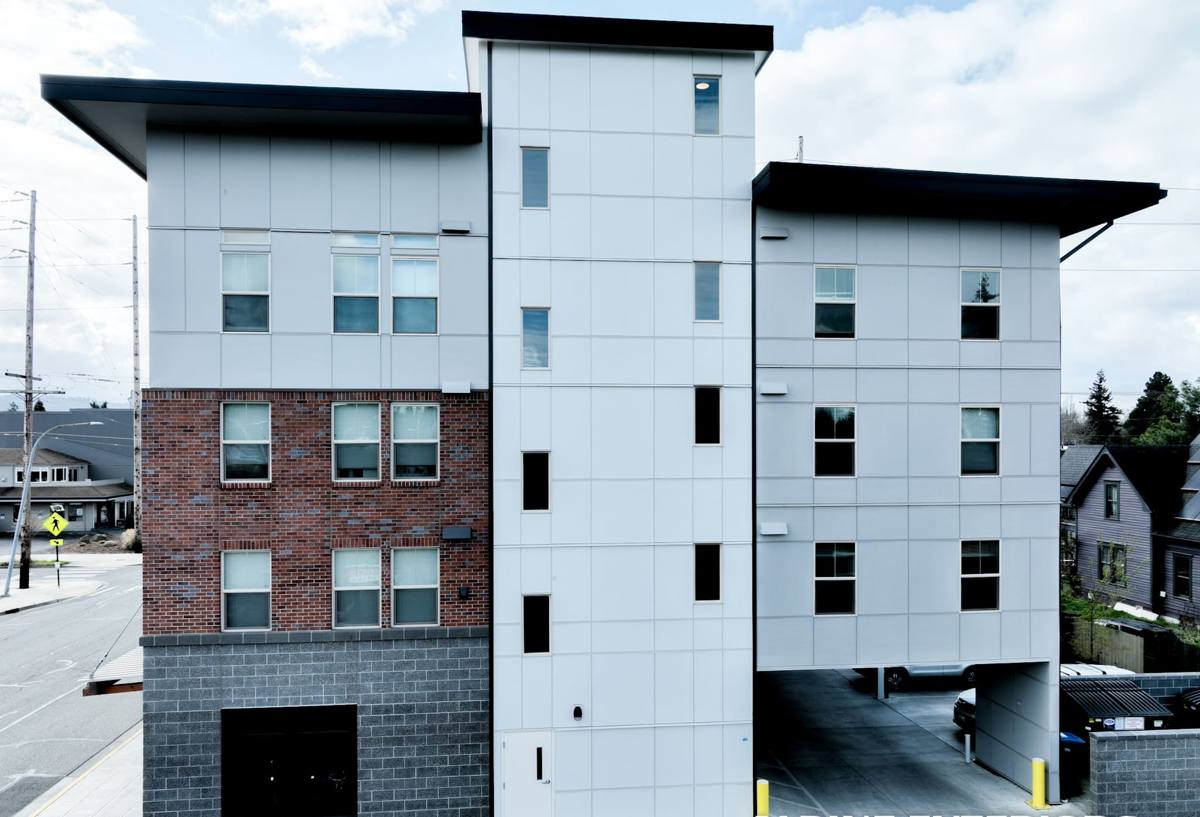
What Skagit Valley Weather Does to Windows Over Time
Most window failures we see in this part of the county aren't glass failures — they're water management failures. The glass and frame can be perfectly good while the real problem is happening around them.
Driving rain and wind-driven moisture
Wind funneling through the valley pushes rain at angles that flat, poorly-flashed window installations were never built to handle. Water gets forced up under sills and behind trim instead of running down and off the wall the way gravity intends.
Prolonged dampness and rot
Even without a storm, the valley's humidity and shade from tree cover mean wood trim and sheathing around older windows can stay damp for days at a stretch. Wood doesn't need a flood to rot — it just needs to never fully dry out.
Moss and organic growth
Moss doesn't just grow on roofs. It takes hold on north- and west-facing window sills, in corners where caulk has failed, and in any spot that stays shaded and damp. Once established, it holds moisture directly against wood and paint, which speeds up the very decay that let it grow there in the first place.
Condensation from temperature swings
Cold nights and heated interiors create condensation on older single-pane or poorly-sealed dual-pane windows. Over years, that moisture works into the frame and sill, contributing to the same rot problems as exterior water intrusion — just from the inside out.
Signs a Lyman Home Needs Window Replacement
Homeowners usually notice symptoms years before they connect them to the windows themselves. Some worth checking for:
- Soft or spongy wood at the sill or bottom corners of the frame
- Paint that bubbles, peels, or won't hold no matter how often it's redone
- Visible moss or dark staining on the sill, especially on shaded walls
- Fogging or a milky look between panes on dual-pane windows (a sign the seal has failed)
- Drafts you can feel with a hand near the frame on a windy day
- Windows that are difficult to open, close, or lock — frames can swell or warp with moisture
- Noticeably higher heating bills compared to similar homes nearby
- Condensation forming between the panes rather than just on the interior glass surface
Any one of these on its own isn't necessarily an emergency. Several together, especially soft wood plus visible staining, usually mean water has been getting in for a while.
What a Correct Window Installation Actually Involves
The window itself is a small part of the job. The install is where the job either succeeds or quietly fails.
Removal and inspection
Once the old window is out, the surrounding framing and sheathing get inspected before anything new goes in. If there's rot or water damage behind the old unit — common on older Lyman homes that have been through many wet seasons — that gets addressed first. Installing a new window over damaged framing just hides the problem behind a nicer face.
Flashing and water management
Proper flashing directs any water that reaches the window back out and down, never inward. This means correctly lapped sill pan flashing, side flashing, and head flashing integrated with the home's weather-resistive barrier — not just caulk around the edges. In a valley climate with driving rain, this step matters more than the window brand.
Air sealing and insulation
The gap between the window frame and the rough opening needs to be sealed and insulated properly — too tight with the wrong material can trap moisture, too loose leaves drafts and lets warm interior air reach cold surfaces where condensation forms.
Interior and exterior trim
Trim gets reinstalled or replaced to shed water properly and match the home. On older homes this is also a chance to correct trim details that were never sealed well in the first place.
Choosing the Right Window for a Lyman Home
There's no single "best" window — the right choice depends on the home's age, exposure, and how much upkeep the owner wants to take on.
| Frame Material | How It Handles Valley Moisture | Maintenance |
|---|---|---|
| Vinyl | Won't rot; handles sustained dampness well; seams and corners are still the weak point if not installed correctly | Low — occasional cleaning |
| Fiberglass | Very stable in temperature and moisture swings; holds paint and finish well over time | Low to moderate |
| Wood, unclad | Warmest look but needs consistent paint or finish maintenance to resist the valley's rot risk | High — regular repainting/sealing |
| Wood-clad (exterior aluminum or vinyl shell) | Exterior face resists moisture well; interior keeps the wood look; cladding seams need good installation to stay watertight | Moderate |
For Lyman specifically, given the amount of shade and dampness many properties get from surrounding tree cover, we generally steer homeowners away from unclad wood on exposed or shaded elevations unless they're committed to a real maintenance schedule. It's not that wood windows are a bad product — it's that the upkeep they need doesn't match how most people actually maintain a home, and a missed repaint cycle in this climate shows up fast.
Glass and glazing
Double-pane windows with a low-E coating and argon fill are the practical standard for this climate — they cut down on the condensation problems that come from big indoor-outdoor temperature swings and help with heating costs through the long wet season. Triple-pane is available but is more often a marginal upgrade here than a necessity, given our temperatures don't hit the extremes that make the extra cost worth it in most homes.
Our Installation Process
- On-site assessment — we look at existing windows, framing condition, and any signs of past water intrusion before quoting anything.
- Product selection — we walk through frame material, glazing options, and trade-offs honestly, based on the specific wall's exposure and the home's age.
- Scheduling around weather — in a valley with this much rain, we plan installs with dry-window timing in mind and use temporary weather protection when a job spans more than one opening at a time.
- Removal and framing check — old units come out, and any hidden rot or damage gets flagged and repaired before the new window goes in.
- Flashing and installation — proper sill pan and flashing details, correct fastening, and air sealing per manufacturer specs.
- Trim and finish — interior and exterior trim completed to shed water and match the home.
- Walkthrough — we go over the finished work and how to care for the new windows before we consider the job done.
What Window Installation Typically Costs
Costs vary based on window count, size, material, and how much repair work is needed once old windows come out. Rather than quote a number that won't fit most homes, here's what actually moves the price:
| Factor | Why It Matters |
|---|---|
| Frame material | Vinyl is typically the most budget-friendly; wood-clad and fiberglass cost more upfront |
| Number of openings | Per-window cost usually drops somewhat on larger jobs, but framing repairs can offset that |
| Hidden rot or damage | The biggest wildcard — a window with rotted sheathing behind it costs more to do correctly than one that's clean |
| Window size and style | Larger units, special shapes, or operable styles like casements cost more than standard double-hung sizes |
| Trim and siding tie-in | Matching existing trim or siding profiles adds labor, especially on older homes |
We give real numbers after we've actually looked at the home — not before, and not based on a phone description of "a few old windows."
Why a Crew That Already Works Lyman Matters
Window installation is one of those jobs where local experience shows up in details that aren't obvious until something goes wrong. A crew that regularly works Skagit Valley homes already knows which older construction styles in this area tend to hide rot behind the trim, how far to plan around the wet season for scheduling, and what flashing details actually hold up against the kind of driving rain the valley produces — as opposed to installing to a generic spec sheet written for a drier climate.
There's also the practical side: permitting requirements through Skagit County, coordinating around narrow access on rural properties, and simply being reachable if a question comes up after the job is done. An out-of-area crew that does one job in Lyman and moves on doesn't build that local knowledge, and it shows in callback rates.
After Installation: Keeping Windows Performing in This Climate
New windows still need a little seasonal attention in a climate like this one:
- Check and clear sills of debris and moss growth, especially on shaded, north-facing walls
- Inspect exterior caulk lines once a year for cracking or gaps
- Keep gutters and downspouts clear so roof water isn't running down onto window heads
- Wipe down interior sills during heavy condensation periods in winter
- Trim back vegetation that keeps a window shaded and damp for most of the day
None of this is a heavy lift, but skipping it is exactly how a well-installed window ends up with the same moss and moisture problems as the one it replaced.
If you're noticing drafts, soft trim, fogged glass, or just windows that are past their working life, we're happy to take a look and give you a straightforward, no-pressure estimate — no obligation, just an honest read on what your home actually needs. The form below is the easiest way to get started.