 Skagit County
 Siding Installation for Lyman, Washington Homes
Lyman sits in the Skagit River valley, in the shadow of the Cascade foothills, where marine air pushes in off the Salish Sea and gets funneled up the valley corridor. That combination of moisture-laden air, heavy seasonal rainfall, and shaded, tree-lined lots is hard on exterior siding. Homes here don't just get wet — they stay wet longer than homes in drier parts of the state, and that changes what "good siding installation" actually means for this address versus a house forty miles inland.
This page covers what Lyman homeowners need to know about siding installation specifically: what the climate demands, what a correctly done job looks like, how our process works, and why local experience matters more here than the brand name on a brochure.
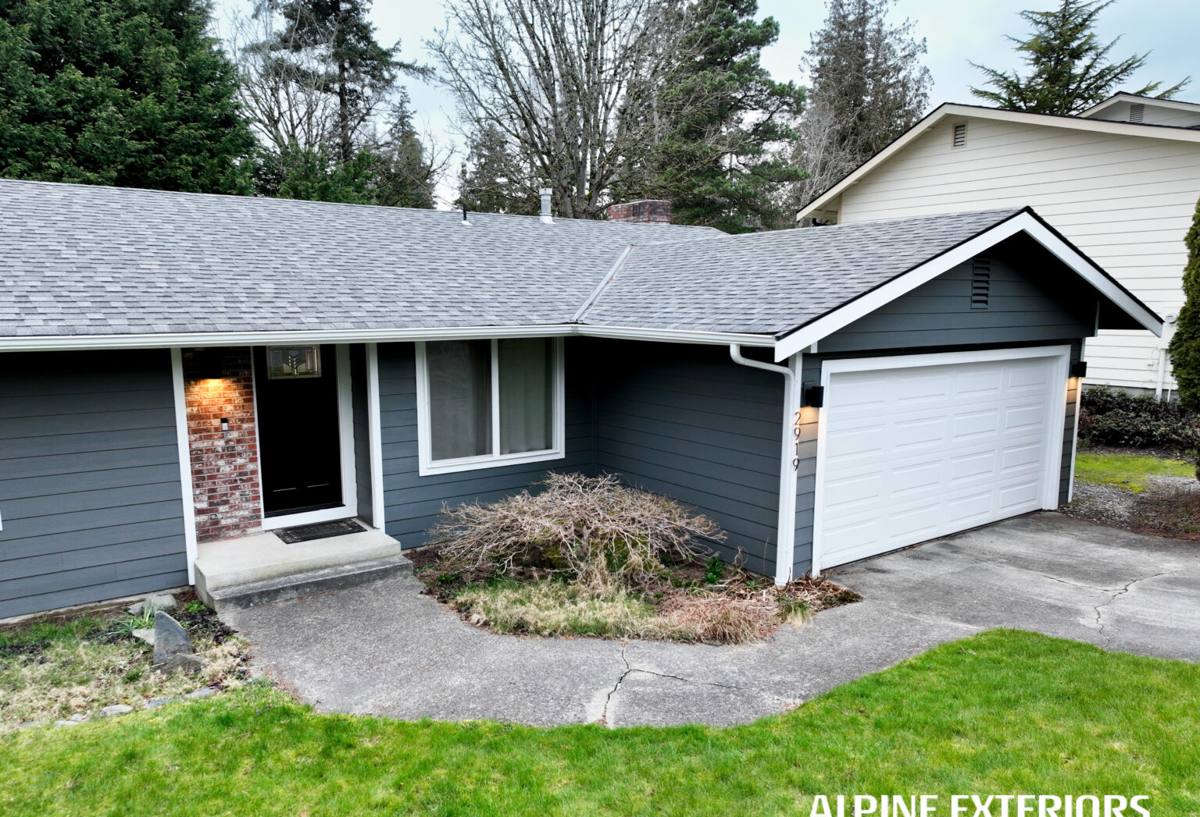
What Skagit County's Climate Does to Siding
Three conditions define siding performance in Lyman and the surrounding Skagit Valley communities.
Driving Rain and Wind-Driven Moisture
Western Washington's rain doesn't just fall straight down — wind pushes it sideways into wall assemblies, especially on homes with less roof overhang or exposed western and southern elevations. Any siding installation that doesn't account for wind-driven rain will eventually let water behind the cladding, no matter how good the surface material is.
Marine Air and Humidity
Salt-tinged marine air moving inland through the Skagit corridor keeps humidity levels elevated for much of the year. Materials that absorb moisture swell, cup, and eventually rot from the inside out. Materials that resist it hold their shape and their paint line for decades.
A Long Moss and Mildew Season
Shaded lots, tree cover, and persistent dampness give moss, algae, and mildew a long growing season on north-facing walls and anywhere airflow is restricted. Left unaddressed, organic growth holds moisture against the siding surface and accelerates whatever damage the rain and humidity are already causing.
None of this means siding is a lost cause in Lyman — it means the material choice and the installation details have to be right for this specific environment, not just "up to code."
What a Correct Siding Installation Actually Involves
Siding is a system, not a single product. A beautiful board on the outside means little if what's behind it is done wrong. For Lyman homes, we pay particular attention to:
Weather-Resistive Barrier and Drainage Plane
Every wall gets a properly lapped weather-resistive barrier underneath the siding, installed to shed water downward and outward rather than trapping it. In a climate with this much sustained moisture, the drainage plane behind the siding matters as much as the siding itself.
Flashing at Every Penetration
Windows, doors, hose bibs, vents, and any other wall penetration are where the majority of moisture problems start. Correct flashing — installed in the right sequence, lapped correctly with the weather barrier — is non-negotiable, especially on a home that sees this much wind-driven rain.
Proper Clearances and Fastening
Siding needs clearance from grade, roof lines, decks, and other transitions so water has somewhere to go instead of wicking up into the material. Fasteners need to be the right type, placed at the right spacing, and driven to the manufacturer's specification — not just "tight enough."
Caulking and Sealant Details
Sealant is used at specific joints, not as a substitute for correct flashing. Over-caulking is as much of a problem as under-caulking — it can trap moisture that needs to escape.
Why We Only Install James Hardie Fiber Cement
We install one siding system: James Hardie fiber cement. We don't install vinyl, LP SmartSide, Cemplank, Allura, primed spruce, or cedar, and that's a deliberate standard, not a limitation in what we're capable of installing.
In a climate like Skagit County's, the material has to hold up to sustained moisture exposure, resist the organic growth that thrives in shaded, damp conditions, and survive decades of driving rain without warping, rotting, or losing its finish. Fiber cement is non-combustible and dimensionally stable — it doesn't expand and contract with moisture the way wood-based products do, which matters enormously in a valley that stays damp for months at a time. James Hardie's ColorPlus factory-applied finish is baked on under controlled conditions, which gives it better fade and wear resistance than field-applied paint, and it comes with a real, transferable warranty backing it up.
James Hardie also engineers its products by climate zone. Homes in Western Washington's freeze-prone, moisture-heavy conditions call for their HZ5 product line, formulated specifically for regions that see both cold snaps and sustained wet weather — versus the HZ10 line built for hot, humid Southern climates. That distinction is a small detail on paper, but it's the kind of thing that separates a siding job that lasts 30-plus years from one that starts showing problems in year eight.
We're not going to tell you other products are junk — vinyl is inexpensive and low-maintenance in the right application, and cedar has real curb appeal for the right homeowner. But we've made a professional decision that in this climate, for the homes we stand behind, fiber cement done right is the product that holds up. That's what we install, and it's the only thing we'll put our name on.
Our Siding Installation Process
Every Lyman project follows the same disciplined sequence, regardless of the size of the home:
- On-site assessment — we look at the existing wall condition, sun and shade exposure, drainage patterns, and any moisture damage already present before we ever talk product.
- Detailed estimate — a clear scope of work, material selection, and pricing, with no surprise add-ons buried in fine print.
- Tear-off and inspection — removing the existing siding lets us actually see the sheathing and framing underneath, which is often where hidden moisture damage from years of an underperforming siding system shows up.
- Weather barrier and flashing installation — the part of the job nobody sees once it's finished, done to spec before a single piece of Hardie board goes up.
- Hardie siding installation — installed to James Hardie's published fastening, clearance, and joint-treatment specifications, not shortcuts.
- Final walkthrough — we go over the finished work with the homeowner before calling the job done.
Signs Your Lyman Home's Siding Needs Attention
Because moisture damage often starts behind the siding, by the time it's visible on the surface it's usually been progressing for a while. Watch for:
- Soft, spongy, or bubbling spots when you press on the siding, especially near the bottom courses
- Persistent moss, algae, or dark streaking that comes back shortly after cleaning
- Paint that's peeling, cracking, or failing faster than a normal repaint cycle would suggest
- Visible gaps, warping, or boards that no longer sit flat against the wall
- Rising energy bills that suggest the wall assembly is no longer performing as insulation and a moisture barrier
- Interior signs like musty odors, discolored drywall, or trim damage near exterior walls
Any one of these is worth a look. Several together usually means the siding system has been failing for longer than it appears from the curb.
Cost Factors for Siding Installation in Lyman
Every home is different, but the same variables drive cost on most Skagit County projects. We don't quote fake numbers here — this is meant to help you understand what moves the price, not to promise a figure without seeing the home.
| Factor | Why It Matters |
|---|---|
| Home size and wall complexity | More square footage and more corners, gables, and trim details mean more material and labor |
| Condition of existing sheathing | Rot or damage found during tear-off may need repair before new siding goes up |
| Siding profile and finish selection | Lap width, texture, and ColorPlus color options each carry different material costs |
| Access and site conditions | Tree cover, slope, and tight lot access can affect labor time on a wooded valley property |
| Trim and accessory work | Window and door trim, corner boards, and soffit details add scope beyond flat wall panels |
Why a Crew That Already Works in Skagit County Matters
Siding installation isn't the same job everywhere. A crew that mostly works drier, milder climates will make different assumptions about flashing, drainage, and clearances than a crew that installs siding on homes that sit in a marine-influenced river valley year-round. We work throughout Skagit County, and that regional familiarity shows up in details a homeowner might never think to ask about: how much clearance to leave near a shaded, moss-prone north wall, which elevations need extra attention to wind-driven rain, and how to sequence a tear-off around a wet forecast instead of exposing open walls to a Skagit Valley storm system.
That local track record also means we're accountable locally — we're not a crew that installs a job and moves out of the region. If a warranty question comes up years down the road, we're still working in the same county.
Get a Free Estimate for Your Lyman Home
If your Lyman home's siding is showing signs of wear, or you're planning ahead before the next wet season sets in, we'd like to take a look. Fill out the form below for a free, no-pressure estimate — we'll assess your home's specific conditions and walk you through exactly what a correct James Hardie installation would involve.