 Skagit County
 Why March Point Windows Take a Different Approach
March Point sits out on the water, exposed to wind, salt air, and rain in a way that homes tucked further into Skagit County simply aren't. If you've lived out here for more than a winter or two, you already know the difference: window frames that chalk and pit faster, caulk lines that give up years before they should, and that low-grade green haze that creeps across north-facing trim during the long wet stretch between fall and spring. Window installation in this location isn't just about picking a good window. It's about how that window gets flashed, sealed, and tied into the wall so the weather that defines this stretch of the county doesn't win.
We treat March Point as its own microclimate, not a footnote on a county-wide job. That means different fastener choices, different sealant products, and a different level of attention to flashing details than we'd use on a sheltered lot ten miles inland.
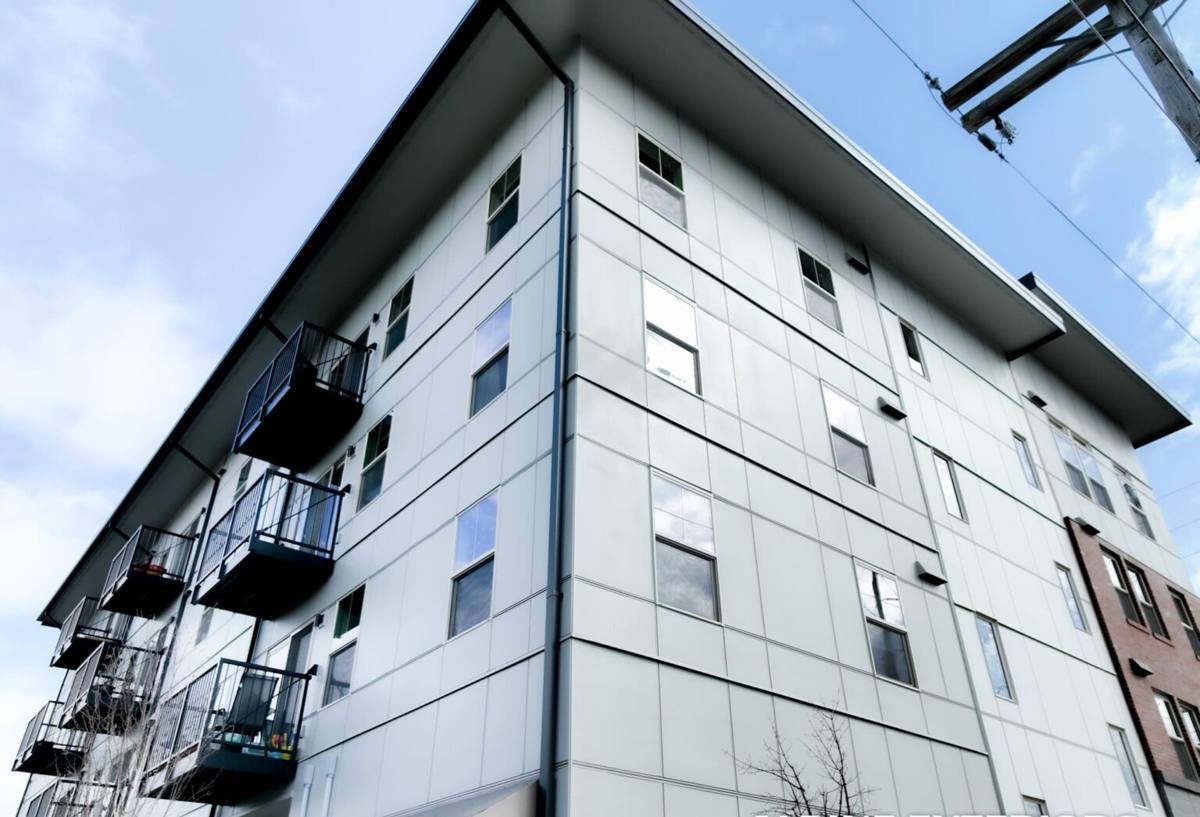
What Salt Air, Driving Rain, and Moss Season Actually Do to a Window
Salt Air and Metal Components
Salt-laden air speeds up corrosion on anything metal — window hardware, screen frames, and especially the fasteners holding the unit in place. Cheaper or mismatched hardware can start showing white corrosion or stiff, sticking locks within a few years on a waterfront-exposed home, long before it would on a sheltered inland property.
Driving Rain and Wind-Driven Moisture
Standard rain falls straight down and sheds off a well-lapped wall easily. Driving rain doesn't behave that way — wind pushes it sideways and upward, forcing water into joints and laps that were never designed to handle it. If a window's flashing wasn't detailed to shed wind-driven rain specifically, water finds the path of least resistance: behind the trim, into the rough opening, and eventually into the wall framing.
Moss and Prolonged Dampness
Skagit County's long moss season isn't just a roof problem. Moss and algae growth on north- and west-facing window trim holds moisture against wood and painted surfaces for months at a time, which accelerates rot in untreated or poorly sealed trim and sills.
None of this means windows here are doomed to fail — it means the installation has to account for these three stressors specifically, not just meet a generic building-code minimum.
What a Correct Window Installation Involves
A window replacement is judged almost entirely on the parts nobody sees once the trim goes back on. The visible window is the same product whether it's installed well or poorly — the difference shows up in the wall three to seven years later.
- Sill pan flashing: A properly sloped, sealed pan under the window opening so any water that gets past the window sheds back outside instead of pooling in the framing.
- Correct flashing sequence: Flashing tape and building paper or house wrap integrated shingle-style — each layer overlapping the one below it — so water is directed down and out at every level.
- Compatible sealants: Using a sealant rated for the exterior cladding and exposure level, not just whatever caulk is on hand.
- Corrosion-resistant fasteners: Stainless or coated fasteners around any window facing open water or prevailing wind, not standard galvanized screws that pit early in salt air.
- Proper shimming and squaring: A window that isn't shimmed level and square will bind, won't seal against its weatherstripping correctly, and will leak air and water at the corners.
- Interior air sealing: Low-expansion foam or backer rod and sealant around the interior perimeter to stop both drafts and condensation-driven moisture from the inside out.
Choosing Windows and Materials for This Exposure
There's no single "best" window brand for March Point — there's a best combination of frame material, glass package, and hardware for how exposed a particular wall or elevation is. We walk every home and look at which sides face open water and prevailing wind, because those elevations often deserve a step up in spec even when the rest of the house doesn't need it.
| Frame Material | How It Handles Salt Air & Moisture | Maintenance Burden |
|---|---|---|
| Vinyl | Won't corrode or rot; performs well in coastal exposure | Low — occasional cleaning |
| Fiberglass | Very stable in temperature swings and moisture; strong long-term option | Low |
| Aluminum-clad wood | Good exterior protection if seams and cladding stay intact | Moderate — depends on seal integrity over time |
| Bare wood | Attractive but most vulnerable to driving rain and prolonged dampness | Highest — regular repainting/resealing needed |
We don't push bare wood windows on exposed March Point elevations as a matter of professional standard — not because wood is a bad material, but because the maintenance schedule needed to keep it sealed against this specific climate is more than most homeowners want to keep up with. On sheltered elevations, or where the look of real wood matters more than low maintenance, it can still be the right call — that's a conversation, not a rule.
Our Installation Process
- On-site assessment: We look at each opening, check for existing water damage or soft framing, and note which elevations face the water or prevailing wind.
- Product selection: We match frame material, glass package, and hardware grade to each elevation's actual exposure, not a one-size spec for the whole house.
- Careful removal: Old windows come out without tearing up more of the wall than necessary, and we inspect the rough opening for hidden rot before anything new goes in.
- Repair before install: Any soft or water-damaged framing gets repaired first — a new window installed into a bad opening just hides the problem for a few more years.
- Flashing and sealing: Sill pan, flashing tape, and sealant go in following a shingle-lap sequence built for wind-driven rain.
- Setting, shimming, and fastening: The window gets shimmed square, fastened with corrosion-resistant hardware, and checked for smooth operation before trim goes back on.
- Interior and exterior finish work: Interior air sealing, then exterior trim and caulking sized for the reveal and cladding type.
- Final walkthrough: Every window opens, closes, and locks the way it should before we call the job done.
Signs Your Current Windows Are Losing the Fight
Most window failure out here doesn't show up as a dramatic leak — it shows up as small signs that add up.
- Soft, spongy, or discolored trim or sill boards, especially on north- or west-facing walls
- Persistent condensation between panes (a sign the seal has failed)
- Drafts you can feel even with the window fully latched
- Locks or hardware that have gone stiff, pitted, or hard to turn
- Visible moss, algae, or black staining building up on exterior trim
- Paint that's bubbling or peeling specifically around the window perimeter, not the whole wall
- Windows that are noticeably harder to open and close than they used to be
Any one of these on its own isn't an emergency. Several together, especially on the exposed side of the house, usually means the seal or flashing has already let moisture in.
What Affects the Cost of a Window Job Here
| Factor | Why It Matters in This Location |
|---|---|
| Number and size of openings | More or larger windows means more flashing detail and labor time |
| Exposure level per elevation | Water- and wind-facing sides often justify upgraded hardware and sealant systems |
| Existing water or rot damage | Framing repairs add time but are essential — skipping them just delays the same problem |
| Frame material chosen | Vinyl, fiberglass, and clad-wood carry different upfront and long-term maintenance costs |
| Glass package | Upgraded coatings or triple-pane glass add cost but improve comfort and condensation resistance |
| Access and site conditions | Second-story or hard-to-reach openings take longer to stage safely |
We give a straightforward, itemized estimate once we've actually looked at the house — broad ranges without a site visit tend to be wrong in one direction or another, and we'd rather give you real numbers.
Why It Matters That We Already Work March Point
A crew that only occasionally works this exposed stretch of the county will often reach for the same flashing and sealant approach they use everywhere else — and that approach can fall short here within a few years. We already know which elevations on a March Point property tend to take the worst of the wind and salt spray, what hardware holds up, and where the long moss season causes trouble if trim isn't detailed and sealed correctly the first time. That local pattern recognition is the difference between a window installation that looks right on install day and one that's still performing well a decade later, through repeated Skagit County winters.
Maintaining Your Windows Once They're Installed
Even a correctly installed window benefits from basic upkeep in this climate:
- Rinse salt residue and grime off frames and glass a few times a year, especially after storms
- Keep weep holes and drainage tracks clear of debris and moss so water can actually drain
- Wipe down and lightly lubricate hardware annually to prevent salt-driven corrosion from taking hold
- Check exterior caulk lines each fall and touch up any cracking before the wet season sets in
- Trim back vegetation that shades window trim and keeps it damp longer than it needs to be
These are small habits, but on an exposed property they meaningfully extend the life of both the windows and the wall assembly around them.
If you're dealing with drafty, foggy, or hard-to-operate windows on your March Point home, we're happy to take a look and give you a straightforward, no-pressure estimate — just fill out the form below.