 Skagit County
 Roof Repair Built for Skyline's Weather
Skyline sits close enough to the water that salt air is part of daily life, and that changes what a roof needs to hold up over time. Add in Skagit County's long stretch of driving rain from fall through spring, plus a moss season that can run most of the year in shaded spots, and you've got a roofing environment that punishes shortcuts. A repair that would hold up fine in a drier inland climate can fail here in a season or two if it doesn't account for what this specific area throws at it.
We work on roofs throughout Skagit County, and Skyline's mix of tree cover, marine exposure, and older housing stock means we see the same handful of failure patterns again and again. Knowing those patterns ahead of time is what separates a repair that actually solves the problem from one that just patches the symptom.
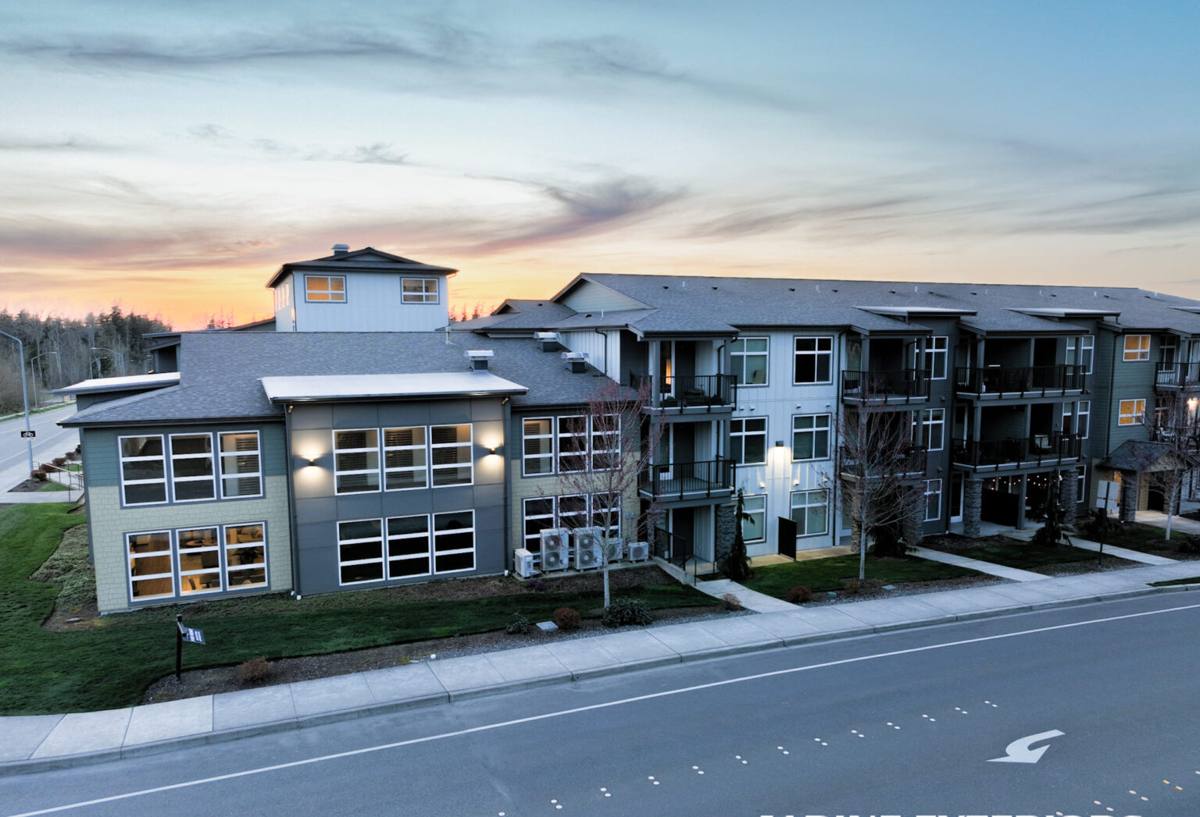
What Skyline's Climate Does to a Roof
Salt Air and Metal Fasteners
Homes closer to the water pick up airborne salt that accelerates corrosion on exposed metal — nail heads, flashing edges, gutter hangers, and any exposed screws on metal roofing or trim. Corrosion doesn't always look dramatic at first; it usually shows up as small rust streaks below fasteners or flashing seams long before there's an actual leak. By the time water is getting through, the metal underneath has often been degrading for a while.
Driving Rain and Wind-Driven Water
Rain that comes in sideways during winter storms doesn't behave like a straight downpour. It gets pushed up under shingle edges, into valleys, and around flashing that would otherwise shed water fine in calmer weather. Roofs here need laps, seals, and flashing details that assume wind-driven rain as the normal case, not the exception.
Moss, Shade, and Moisture Retention
Tree cover that keeps a home cool in summer also keeps roof sections damp and shaded for long stretches, which is exactly what moss needs to establish. Moss holds moisture against the roofing surface, works its way under shingle tabs as it grows, and can lift edges enough to let water travel sideways under the material. On older roofs, moss growth is one of the most common reasons we get called out for a "small leak" that turns out to be a symptom of a much larger problem underneath.
Common Roof Repair Calls We See in Skyline
- Flashing failure at chimneys, skylights, and roof-to-wall transitions — these are the highest-risk leak points on any roof, and salt air speeds up corrosion at the seams
- Moss-related shingle lift — moss colonies pushing up shingle edges, letting wind-driven rain get underneath
- Valley leaks — valleys carry the most water volume on a roof and are the first place a worn or improperly lapped section will fail
- Damaged or missing shingles after wind events — winter storms with sustained wind can lift or tear shingles that are already brittle from age or UV exposure
- Gutter and edge rot — trapped moisture at the roof edge from clogged gutters or poor drip-edge detailing, leading to fascia and sheathing damage
- Nail pops and fastener backout — corrosion and repeated wet-dry cycles can work fasteners loose over time
What a Correct Roof Repair Actually Involves
A roof repair is only as good as the diagnosis behind it. We don't just look at where water is showing up inside the house — we trace the problem back to its actual source, because water can travel a surprising distance under roofing material before it drips somewhere visible.
Our Inspection Process
- Walk the roof surface to check shingle condition, moss coverage, and granule loss
- Inspect all flashing points — chimneys, skylights, vents, and wall transitions — for corrosion, gaps, or failed sealant
- Check valleys and roof-to-roof transitions where water volume is highest
- Look at the underside in the attic where accessible, checking for staining, damp sheathing, or daylight gaps
- Check gutters, drip edges, and fascia for trapped moisture or rot
- Document findings and give you a clear, honest explanation before recommending any work
Doing the Repair Right
Once we know the actual cause, the repair itself follows a few consistent principles regardless of the specific fix: remove and replace damaged material rather than patching over it, re-flash rather than just re-caulk (sealant is a backup, not a primary water barrier), match shingle or roofing material as closely as possible so the repair blends and performs consistently with the surrounding roof, and check that the surrounding area — not just the failure point — is sound before closing everything back up.
Moss Treatment and Prevention
Because moss is such a frequent culprit in this area, we treat it as part of most repair visits rather than as an afterthought. That means physically removing moss growth without tearing up healthy shingles underneath, checking for and repairing any lift or granule loss the moss caused, and discussing preventive options like zinc or copper strips at the ridge, which release trace metals that discourage regrowth as rain washes over them. We're straightforward about the trade-off here: prevention strips reduce moss growth over time, they don't eliminate it instantly, and a roof under heavy tree cover will always need more frequent attention than one in full sun.
Repair vs. Replacement: How We Help You Decide
Not every roof problem calls for a full repair, and not every repair is a good long-term investment on a roof that's nearing the end of its service life. We give you a straight answer based on the roof's overall condition, not just the immediate complaint.
| Factor | Favors Repair | Favors Replacement |
|---|---|---|
| Roof age | Under 15-20 years, or recently replaced material | Original roof past its expected lifespan |
| Damage extent | Localized — one valley, one flashing point, a small section | Widespread granule loss, multiple leak points, moss coverage over large areas |
| Underlying decking | Solid, dry sheathing found during inspection | Soft spots, rot, or repeated staining found in the attic |
| Repair history | First or second repair call | Recurring leaks in the same general area despite prior repairs |
| Material availability | Matching shingles or roofing still available | Discontinued product making a clean match impossible |
Why It Matters to Hire a Crew That Knows Skyline
A roofer who mostly works drier, inland climates can still do competent general roofing work, but they may not default to the details that matter most here — corrosion-resistant fasteners, flashing laps sized for wind-driven rain, and a realistic plan for ongoing moss pressure under tree cover. Working throughout Skagit County means we see the same conditions repeat from job to job, so we're not guessing at what causes failures in this environment — we're addressing patterns we already recognize.
We're also familiar with the practical side of working in this area: navigating tree-covered lots and steeper driveways for equipment access, working around the shorter dry windows that winter weather allows, and being upfront about what can and can't get done safely in wet or windy conditions rather than rushing a repair that won't hold.
Timing Your Repair Right
Roof repairs can happen year-round, but timing affects both the quality of the work and how urgent a given issue is. Late spring through early fall gives the longest stretches of dry weather, which matters most for larger repairs involving underlayment or decking replacement. That said, a genuine leak shouldn't wait for ideal weather — active water intrusion during the wet season causes ongoing damage the longer it's left unaddressed, and we work through the winter months for anything that can't reasonably wait. If you're noticing moss buildup now, addressing it before the heaviest rains of the season gives the roof a better chance of shedding water properly through the winter.
A Practical Checklist: Signs Your Skyline Roof Needs Attention
- Visible moss or algae streaking on the roof surface, especially in shaded areas
- Granules collecting in gutters or at downspout outlets
- Rust staining below flashing, vents, or fasteners
- Water stains or discoloration on interior ceilings, especially near chimneys or skylights
- Shingle edges that look lifted, curled, or out of alignment
- Gutters overflowing or holding standing water after rain
- Daylight visible through the roof deck from inside the attic
- A noticeable musty smell in the attic during or after wet weather
What to Expect When You Call Us
We start with a straightforward roof inspection so you know exactly what's going on before any work is discussed. If a repair makes sense, we explain what we found, what caused it, and what the fix involves in plain terms — no pressure to upgrade to a full replacement if a targeted repair will genuinely solve the problem. If the roof's condition points toward replacement being the smarter long-term move, we'll tell you that too, along with the reasoning behind it.
If you're dealing with a leak, noticing heavy moss growth, or just want a professional set of eyes on a roof that's due for a look, we'd be glad to come out to your Skyline property for a free, no-pressure estimate — just fill out the form below to get started.