 Skagit County
 Roofing in Concrete, WA: A Different Kind of Wear
Concrete sits in the Skagit River valley, tucked against the forested foothills of the North Cascades. That setting is beautiful, but it's tough on a roof. Skagit County stretches all the way from the saltwater shoreline near Anacortes and La Conner to inland communities like Concrete, and the two ends of the county wear their roofs out in different ways. Homes closer to the water deal with salt air working on metal fasteners and flashing. Homes in Concrete deal with something else entirely: heavy tree canopy, shade that never fully burns off, and moisture that has nowhere to go.
That combination — driving rain off the valley, a long stretch of the year where roofs stay damp, and constant shade from surrounding conifers — is exactly what feeds moss, algae, and slow rot underneath a roof surface. A roof replacement done right in Concrete isn't just about swapping old shingles for new ones. It's about building a roof system that can handle standing moisture, needle and leaf litter, and a moss season that can run most of the year in shaded sections.
Signs Your Roof Is Telling You It's Time
From the Ground
- Moss or algae streaking that comes back within months of cleaning
- Shingle edges curling, cupping, or losing granules in the gutters
- Dark, soft-looking patches on north-facing or shaded roof slopes
- Sagging along the ridge line or between rafters
- Flashing around chimneys, skylights, or vents that's rusted, lifted, or caulked over repeatedly
Inside the Attic
A lot of the real damage in a shaded, wet climate like Concrete's shows up in the attic long before it's visible from the driveway. Look for water staining on the underside of the roof deck, damp or discolored insulation, a musty smell, or daylight showing through the roof boards. Rafters or sheathing that feel soft or spongy when pressed are a clear sign that moisture has been getting in for a while, not just after the last storm.
What a Correct Tear-Off and Replacement Involves
Tear-Off and Decking Inspection
Everything comes off down to the roof deck — old shingles, old underlayment, old flashing. This is the only point in the project where the actual condition of the plywood or plank sheathing underneath can be checked. In a climate this wet, it's common to find soft or delaminated decking in shaded valleys and around old flashing penetrations. Any of that gets cut out and replaced before anything new goes down; covering over bad decking just hides the problem for the next roof to deal with.
Underlayment Built for a Wet Climate
Standard felt underlayment is not enough for a roof that stays damp for long stretches. A synthetic, water-resistant underlayment across the full roof, with a self-adhering ice-and-water membrane at the eaves, valleys, and around every penetration, gives the deck a real second line of defense if water ever gets past the roofing surface.
Flashing Details
Flashing failures — not worn-out shingles — cause most of the leaks we find in older Concrete roofs. Step flashing at walls, counterflashing at chimneys, and properly lapped valley flashing all need to be installed in the correct order with the roofing material, not just caulked into place after the fact. Caulk is a maintenance item, not a repair.
Ventilation
Balanced intake at the soffits and exhaust at the ridge keeps heat and moisture from building up in the attic. In a heavily shaded, humid setting like Concrete, poor ventilation is one of the biggest hidden contributors to premature roof failure — trapped moisture condenses on the underside of the deck and rots it from the inside, even when the roofing surface above still looks fine.
Choosing a Roofing Material That Can Handle Shade and Moisture
There's no single "best" roofing material for every home, but in a shaded, wet setting like Concrete, some options hold up better than others with less upkeep. Here's how the common choices compare for this specific climate:
| Material | Moss/Moisture Resistance | Typical Lifespan | Maintenance Here |
|---|---|---|---|
| Algae-resistant asphalt shingle | Good, with copper or zinc granules that discourage regrowth | 25–30 years | Low — occasional soft washing |
| Standard asphalt shingle (no algae resistance) | Fair — moss and algae return faster in shade | 20–25 years | Moderate — more frequent cleaning |
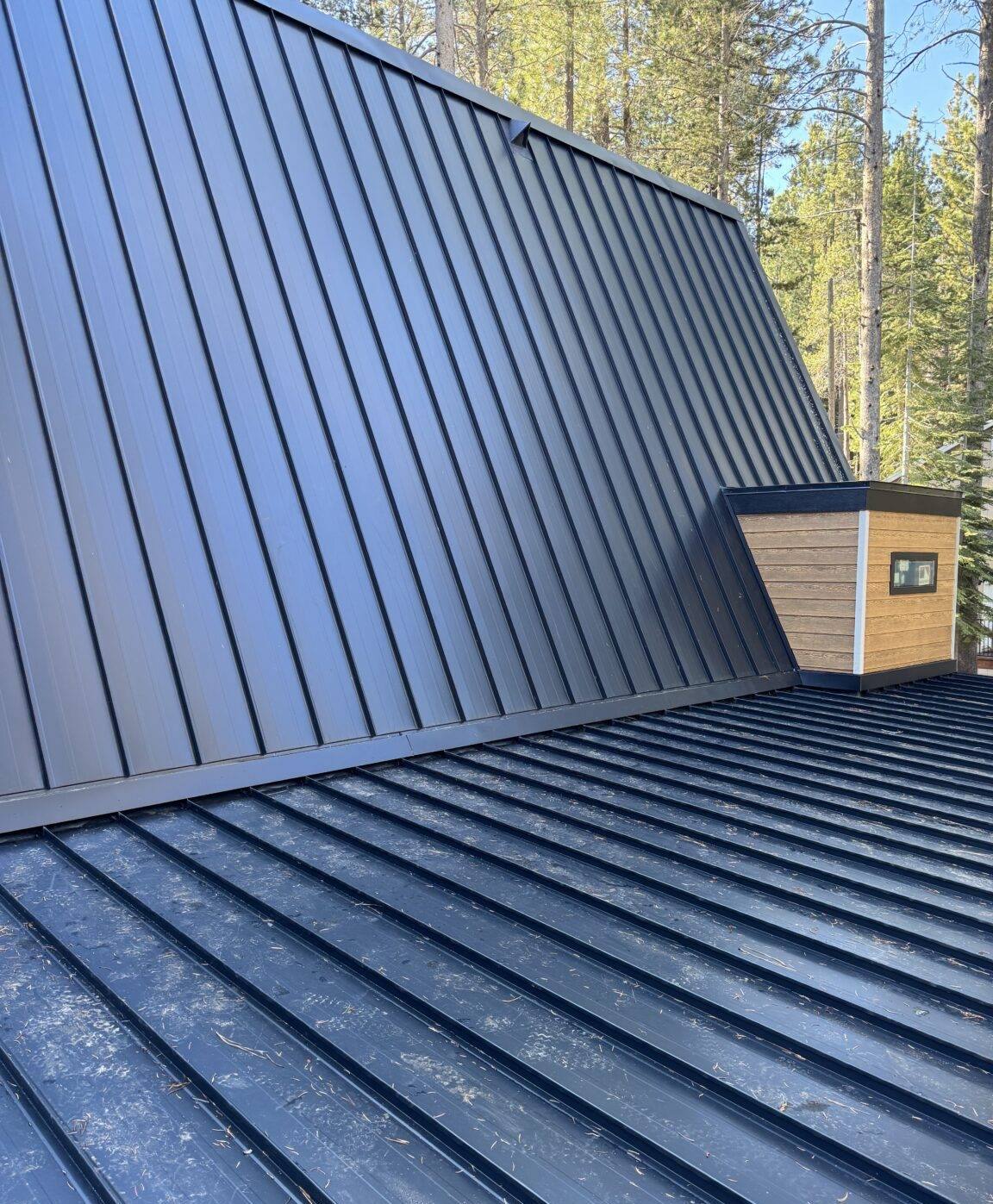
| Standing seam metal | Excellent — smooth surface sheds moisture and resists moss | 40–50+ years | Low |
| Cedar shake | Poor without diligent upkeep — wood holds moisture in shade | Highly variable by maintenance | High — regular treatment and inspection needed |
We're honest with Concrete homeowners about cedar shake specifically: it can look great, but wood roofing and constant shade are a difficult match. Moisture sits in the grain longer than it would in full sun, which shortens its usable life and adds a real maintenance burden most homeowners don't want to keep up with. We'll still discuss it if it's what you want, but we'll tell you the trade-offs up front rather than let you find out the hard way.
Ventilation and Moss Prevention: The Part Most Re-Roofs Skip
A lot of roof replacements focus entirely on the shingle and skip the system underneath it. In Concrete, that's a mistake. Because so many roofs here sit under partial or full tree cover for most of the day, moss isn't a cosmetic nuisance — it's a sign that moisture is sitting on the roof surface longer than it should. Left alone, moss roots work under shingle edges and hold water against the deck.
Zinc or copper strips at the ridge let rainwater carry trace metal down the roof slope, which discourages new moss growth between cleanings. Keeping tree limbs trimmed back from the roofline reduces both shade and debris buildup, which is the single most effective thing a homeowner can do between roof replacements. None of this replaces a properly ventilated, correctly flashed roof system — it just extends how long that system stays clean.
Our Roof Replacement Process
- On-site inspection of the roof, attic, and decking, with photos so you can see exactly what we see
- Written estimate covering material options, scope of work, and timeline
- Permitting handled with Skagit County before work begins
- Tear-off to bare decking, with any damaged sheathing identified and replaced
- Installation of ice-and-water membrane, synthetic underlayment, flashing, and ventilation components
- Installation of the new roofing material per manufacturer specification
- Full site cleanup, including magnetic sweep for nails and debris
- Final walkthrough and warranty paperwork
What Roof Replacement Costs Depend On
We won't quote a price without seeing the roof, but the factors that move a project up or down in cost are consistent from home to home:
- Total roof size and the number of roofing squares involved
- Roof pitch and complexity — steep or cut-up roofs take longer and require more safety setup
- How many layers of old roofing need to come off
- Amount of decking that needs to be replaced once it's exposed
- Material chosen — asphalt, metal, and cedar sit at very different price points
- Access — tree cover, driveway length, and staging space around the home
- Number of chimneys, skylights, or roof penetrations requiring custom flashing
For a straightforward asphalt shingle replacement on an average-size home, homeowners in this area should generally expect a project in the several-thousand-dollar range, moving well into five figures for larger, steeper, or more complex roofs, or for premium materials like standing seam metal. We'll walk through where your project falls after the inspection.
Why Hiring a Crew That Already Works in Concrete Matters
Concrete is a small, rural community, and roofing here comes with logistics that a crew unfamiliar with the area won't anticipate. Long gravel driveways, septic and well systems that equipment needs to avoid, limited staging space around homes tucked into tree lines, and narrow access roads all factor into how a job gets planned and scheduled. A crew that regularly works this part of Skagit County already knows how to stage a dumpster, ladder, and material delivery on a property like this without tearing up a yard or blocking a shared road.
Weather timing matters too. Between the valley's rain patterns and the shorter dry windows this far from the water, scheduling a tear-off when the deck can actually stay dry takes local judgment, not just a calendar. A crew that's done this work in Concrete before knows how to plan around it instead of leaving a roof exposed and hoping.
A Quick Checklist Before You Hire
- Ask to see proof of Washington contractor licensing and current liability insurance
- Ask how decking replacement is priced if rot is found — it should never be a vague allowance
- Ask what underlayment and ice-and-water shield are included, not just the shingle brand
- Ask how ventilation will be handled, not just whether the old vents will be reused
- Get the scope of work in writing before any tear-off begins
If your roof is showing moss, staining, or age, we're glad to come take an honest look and give you a free, no-pressure estimate — no obligation, just a clear picture of where things stand and what a correct fix would involve. The form below is the easiest way to get started.