 Skagit County
 Why Storm Damage Hits Bow Roofs Differently
Bow sits close enough to Samish Bay and the greater Puget Sound shoreline that homes here deal with a combination most inland Skagit County properties don't: salt-laden air, wind-driven rain coming off the water, and a moss season that runs long and wet. Any one of those on its own is manageable. Together, they shorten the working life of roofing materials and turn small storm damage into bigger problems faster than homeowners expect.
A wind event that just knocks a few shingles loose on a drier, more sheltered roof can do more here, because the roof underneath is often already softened by moisture retention, minor moss intrusion, or salt-accelerated corrosion on fasteners and flashing. That's the context we bring to every storm damage call in Bow — we're not just patching what blew off, we're checking what the storm exposed underneath.
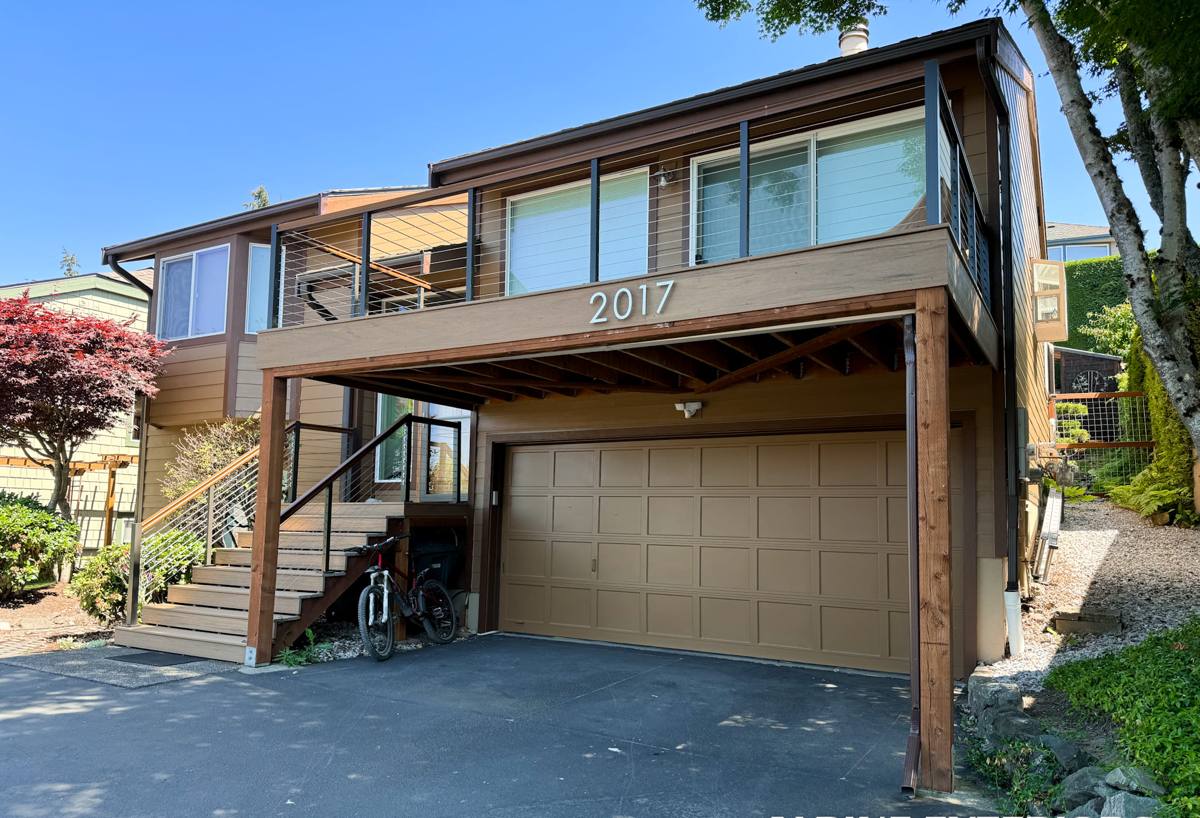
What Driving Rain and Salt Air Actually Do to a Roof
Wind-Driven Rain
Straight-down rain and sideways rain behave completely differently on a roof. Wind-driven rain gets pushed up under shingle tabs, around flashing laps, and into any gap that would otherwise stay dry. This is how a roof can look intact from the ground after a storm but still be leaking into the attic. Storm damage repair in a wind-exposed area like Bow has to account for lateral water intrusion, not just missing shingles.
Salt Air Corrosion
Salt air accelerates corrosion on exposed metal — nail heads, flashing seams, gutter fasteners, and vent boots. A storm that loosens a shingle can expose fasteners that were already weakened by salt exposure, so what looks like a simple re-nail job sometimes needs new fasteners and sealant, not just a tap back into place.
Extended Moss Season
Skagit County's long, wet stretch of the year gives moss and algae a wide window to establish on north-facing slopes and shaded valleys. Moss holds moisture against the roof surface, and storm damage — a lifted shingle, a cracked seal — gives that trapped moisture a direct path underneath. A roof with active moss growth is more vulnerable after a storm than a clean one, even if the storm damage itself is identical.
Signs of Storm Damage Worth a Closer Look
- Shingles that are cracked, curled, creased, or missing entirely, even just one or two
- Granules collecting in gutters or at downspout outlets after a storm
- Soft spots or discoloration on interior ceilings, especially near exterior walls or chimneys
- Flashing that's visibly bent, lifted, or separated around chimneys, vents, and skylights
- Gutters pulled away from the fascia or downspouts disconnected at joints
- Debris — branches, needles, moss clumps — sitting in valleys where water should be draining freely
- Daylight visible through the roof deck from inside the attic
Not every item on this list means a major repair. But any one of them is a reason to get eyes on the roof before the next storm system rolls through, which in this part of Skagit County can be a matter of days, not weeks.
What a Correct Storm Damage Repair Involves
A repair that's done right addresses three layers, not just the visible surface:
1. Assessment Before Any Work Starts
We walk the roof (or use a ladder and drone inspection where walking isn't safe) to document the full extent of damage — not just the spot the homeowner noticed. Storm damage is frequently worse in areas that aren't visible from the ground, particularly on roof faces facing the prevailing wind and rain direction.
2. Stopping Active Water Intrusion
If there's an active leak or exposed decking, that gets tarped or temporarily sealed immediately, before we even talk through the permanent repair plan. Waiting on paperwork or scheduling while water keeps getting in is how a repairable roof section turns into a full re-deck.
3. Repairing to Match, Not Just Patch
Replacement shingles, flashing, and underlayment should match the existing roofing system in material, weight, and installation method — not just be "close enough." Mismatched repairs are a common source of future leaks because they create new seams and transitions that weren't part of the original roof's water-shedding design.
Storm Damage Repair Checklist
- Full roof inspection, including areas not visible from the ground
- Interior check for water staining, soft spots, or musty odor in the attic
- Temporary tarp or seal on any active leak before permanent repair
- Photo documentation of damage for insurance purposes
- Flashing and fastener check, not just shingle replacement
- Gutter and downspout inspection, since storm debris often clogs drainage first
- Moss and debris clearing from valleys and low-slope areas as part of the repair, not left for later
Our Process for Bow Storm Damage Calls
When we get a storm damage call from a Bow homeowner, the process is straightforward:
- Same-conversation triage. We ask what you're seeing — active leak, missing shingles, visible debris — so we know if it's a tarp-first situation or something that can wait for a scheduled inspection.
- On-site inspection. We assess the full roof, not just the reported problem area, and check the attic interior if accessible.
- Written scope and photos. You get a clear explanation of what's damaged, what needs to happen, and photo documentation — the kind of paperwork that makes an insurance claim straightforward instead of a fight.
- Repair. We match materials to your existing roof system and repair to the same standard the roof was originally installed to, with attention to flashing and fastener condition, not just shingle replacement.
- Cleanup and final check. Debris hauled off, gutters cleared, and a final look to confirm the repair is sealed and draining correctly before we consider the job done.
Insurance Claims: What We Provide
Most storm damage repairs in this area involve a homeowner's insurance claim. We're not an insurance company and can't guarantee what an adjuster approves, but we provide the documentation that makes the process go smoother:
- Dated photos of the damage, taken before any repair work begins
- A written scope of work describing what's damaged and what repair is needed
- An honest assessment — we document what the storm actually caused, not an inflated scope, because that's what holds up under adjuster review
Repair Now vs. Delay: What Changes
| Factor | Repaired Promptly | Delayed Through Wet Season |
|---|---|---|
| Water intrusion | Limited to the original storm event | Can spread to decking, insulation, and interior finishes |
| Moss and organic growth | Exposed area sealed before moss can establish | Extended moss season gives growth time to take hold in the damaged area |
| Fastener and flashing condition | Assessed and addressed as part of one repair | Continued salt air exposure may worsen corrosion before it's fixed |
| Repair scope | Usually contained to the damaged section | Can expand to decking replacement or larger sections |
| Insurance documentation | Clean record tied to a single storm event | Harder to attribute damage progression to the original claim |
What Drives the Cost of a Storm Damage Repair
| Factor | Why It Matters |
|---|---|
| Extent of shingle or roofing material damage | A handful of shingles is a different job than a full section |
| Decking condition underneath | Water-damaged decking needs to be replaced before new roofing goes on |
| Flashing and fastener condition | Salt air corrosion sometimes means more fasteners and flashing need replacing than the storm alone caused |
| Roof pitch and access | Steeper or harder-to-access roof sections take more time and safety setup |
| Material match | Matching an older roof's exact shingle profile or color can affect material sourcing and cost |
We give straightforward, written estimates before work starts. Broad ranges depend heavily on the factors above, which is why an on-site look is more useful than a phone quote for anything beyond a very minor repair.
Why a Crew That Already Works Bow Matters
Storm damage repair isn't just a general roofing skill — it benefits from knowing the specific conditions of the area. A crew that regularly works in Bow and along this stretch of Skagit County already understands which roof orientations take the worst of the wind-driven rain, how far moss season typically runs here, and what salt air does to fasteners and flashing over time. That local pattern recognition means less guesswork during the inspection and a repair plan that accounts for what's likely to happen next, not just what already happened.
It also means faster response. After a significant storm moves through Skagit County, roofing crews get busy fast, and homeowners who need a temporary tarp or urgent repair benefit from working with a crew that's already local rather than one dispatching a truck from farther away.
Get a Free, No-Pressure Estimate
If a recent storm has left your Bow home with missing shingles, a leak, or damage you're not sure about, we're happy to take a look. The estimate is free, there's no pressure to move forward, and you'll get a clear, written explanation of what we find — whether that's a simple repair or something more involved. Fill out the form below to get started.