 Skagit County
 Windows Built for Cedardale's Weather, Not Just Its Walls
Cedardale sits in a part of Skagit County where weather doesn't stay mild for long. Winters bring wind-driven rain off the Salish Sea, spring and fall stretch into long grey stretches of damp, and even summer mornings often start with heavy dew or fog burning off slowly. That combination of moisture, salt-tinged marine air, and shaded, slow-drying exteriors is hard on windows that weren't built or installed with this climate in mind. A window that performs fine in a dry inland climate can start failing here within a few years if the materials, glass, and flashing details aren't matched to what Skagit County actually throws at a house.
This page is about one thing: custom window installation for homes in and around Cedardale, and what actually matters when you're replacing or upgrading windows in this specific stretch of Skagit County.
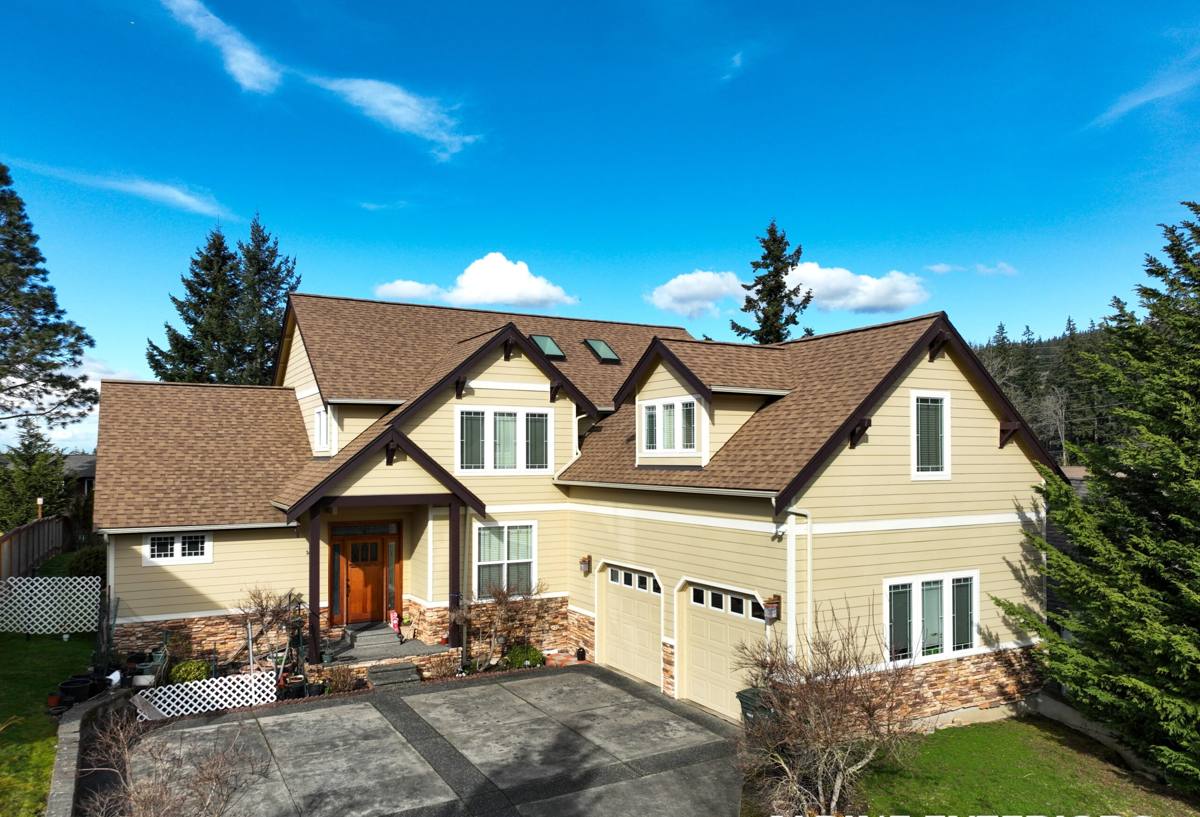
How Driving Rain and Salt Air Wear Down Windows Over Time
The damage rarely shows up overnight. It builds slowly, in ways a lot of homeowners don't notice until a window is already compromised.
Wind-Driven Rain
Rain that falls straight down is easy to shed. Rain that's pushed sideways by wind is a different problem — it finds any gap in a window's seal, flashing, or trim and pushes water into places it was never meant to go. Over years, that moisture works into the wall cavity, the sill, and the framing around the window, even when the glass itself looks fine.
Salt-Bearing Marine Air
Homes closer to the water in Skagit County, including areas around Cedardale, deal with air that carries a fine salt content. That salt accelerates corrosion on unprotected metal hardware, pits aluminum frames and components over time, and speeds up the breakdown of certain sealants and finishes faster than it would happen in a purely inland climate.
Moss and Algae Growth
Long wet seasons and shaded north- and west-facing walls create ideal conditions for moss and algae to take hold on sills, tracks, and trim. Beyond the cosmetic issue, moss holds moisture against wood and painted surfaces far longer than they'd otherwise stay wet, which is exactly the condition that leads to rot and coating failure.
Choosing Window Materials That Actually Hold Up Here
There's no single "best" window material — the right choice depends on the home, its exposure, and how much upkeep the homeowner wants to take on. Here's how the common options compare for a climate like ours:
| Material | Moisture & Salt Resistance | Maintenance | Best Fit |
|---|---|---|---|
| Vinyl | Good — won't rot or corrode | Low — occasional cleaning | Most homes; budget-conscious replacements |
| Fiberglass | Excellent — very stable in wet/salt exposure | Low | Exposed or high-wind locations |
| Wood-Clad | Depends heavily on cladding and sealing quality | Higher — finish needs monitoring | Homeowners prioritizing a traditional interior look |
| Aluminum | Poor without protective finishes near salt air | Moderate | Limited use; mainly larger commercial-style openings |
We don't push one brand or one material as a blanket answer. What we do insist on is being upfront about trade-offs — for example, a wood interior look with a poorly detailed exterior clad in a high-moisture, salt-influenced spot is a maintenance headache waiting to happen, and we'll say so before you buy rather than after.
Why Installation Quality Matters More Than the Window Itself
A high-end window installed poorly will fail faster than a mid-grade window installed correctly. This is the part of the job that homeowners can't see once it's finished, which is exactly why it matters most.
Flashing and Sill Pans
Every opening needs a sloped sill pan and properly layered flashing that directs any water that gets past the window back outside the wall assembly — not into it. This is non-negotiable in a climate with as much sideways rain as Skagit County gets.
Integration with the Weather Barrier
The window's flashing has to tie into the home's house wrap or weather-resistive barrier in the correct shingle-lap order, so water is always directed downward and outward, never trapped behind the siding.
Sealants and Weep Holes
Exterior sealant beads need to be continuous and appropriate for the substrate, and weep holes in the window frame need to stay clear so any incidental water can drain out instead of pooling. Moss and debris buildup is a common cause of clogged weep holes in this area.
Signs Your Current Windows Are Already Struggling
Most Cedardale homeowners don't call about windows until something becomes obvious. These are the earlier warning signs worth acting on:
- Fogging or a hazy film between the panes of a double-pane window (a broken seal)
- Noticeable drafts near the frame, even with the window fully latched
- Moss, algae, or dark staining building up on sills or in the bottom track
- Windows that stick, feel swollen, or won't latch flush like they used to
- Visible gaps or cracked, brittle caulk around the exterior trim
- Soft or discolored wood on the interior sill or exterior trim near the frame
- Condensation forming on the interior glass regularly during cold snaps
Any one of these on its own isn't necessarily an emergency, but several showing up together usually means the window, the seal, or the flashing behind it has already started to fail.
Glass and Energy Performance for Our Wet, Cool Climate
Skagit County doesn't see extreme heat, but it does see long stretches of cold, damp weather and limited winter daylight. That changes what "good glass" means here compared to a hot, dry climate.
Low-E coatings help hold interior heat in during our long cool season while still managing glare on the bright, low-angle winter sun days we do get. Double-pane glass with argon gas fill is the standard baseline for new installations; triple-pane can make sense for north-facing rooms or homes closer to open water where wind exposure is higher, though it adds cost and weight worth weighing against the actual benefit for your specific home.
Frame-to-glass seals matter just as much as the glass package itself — a good glass unit in a poorly sealed frame will still let in drafts and moisture over time.
Our Process for Custom Window Installation in Cedardale
Every home is measured and assessed on-site — custom windows only fit correctly when the openings are measured precisely, not estimated from a standard size chart.
- On-site assessment: We look at each opening, note any existing rot, flashing issues, or sill damage, and measure for a true custom fit.
- Material and glass selection: We walk through the material and glass options that make sense for that specific wall's exposure — sun, wind, and rain direction all factor in.
- Preparation: Old windows are removed carefully, and any compromised framing, sheathing, or sill material found underneath is addressed before the new window goes in — not covered up.
- Installation: New sill pans, flashing, and weather barrier integration are done to shed water correctly, followed by the window itself, shimmed and sealed to spec.
- Finish and cleanup: Interior and exterior trim is finished, the site is cleaned up, and we walk the job with you before calling it done.
What Affects the Cost of Custom Windows
Every home is different, but the same handful of factors drive most of the cost variation we see on Cedardale projects:
- Number and size of openings — more windows and larger custom sizes increase material and labor
- Material choice — vinyl, fiberglass, and wood-clad carry different price points, as shown above
- Glass package — double-pane, upgraded Low-E coatings, or triple-pane all shift cost
- Existing damage — rot or framing repair discovered during removal adds time and material
- Access and site conditions — second-story or hard-to-reach openings take more labor to do safely
We give a written, itemized estimate before any work starts, so you know exactly what you're paying for and why — no vague lump-sum numbers.
Why It's Worth Hiring a Crew That Already Works in Cedardale
A crew that regularly works Skagit County homes already knows how local moisture, wind exposure, and moss growth patterns behave on this type of housing stock, and details the flashing and sealing accordingly instead of treating every job like it's in a dry climate. That familiarity also extends to knowing what local building requirements apply to window replacement and how to spot the kind of hidden rot or sill damage that's common on homes that have taken decades of Skagit County weather. It's the difference between a crew learning your climate on your project and one that's already accounted for it before they show up.
If your Cedardale home has windows showing any of the warning signs above, or you're simply ready to stop fighting drafts, moss, and moisture every winter, we're happy to take a look. Reach out for a free, no-pressure estimate — we'll walk the openings with you, give you an honest read on what's going on, and lay out real options with real numbers using the form below.