 Skagit County
 Deck Repair Built for La Conner's Waterfront Climate
La Conner sits right where the Swinomish Channel meets the Skagit River delta, and that location shapes what happens to a deck here faster than almost anywhere else in the county. Salt-laden air off the channel corrodes fasteners and hardware years before it would inland. Long stretches of driving rain saturate wood and composite boards alike. And the mild, damp winters that make this stretch of Skagit County so livable also make it one of the best moss incubators in Western Washington. A deck built or maintained without those three factors in mind will show it — soft boards, rust streaks, slick surfaces, and loose railings show up on a predictable schedule.
We repair decks in La Conner the way the local conditions demand: with hardware rated for coastal exposure, drainage details that actually shed water instead of trapping it, and a clear-eyed look at what's structural versus cosmetic. This page covers what that work actually involves.
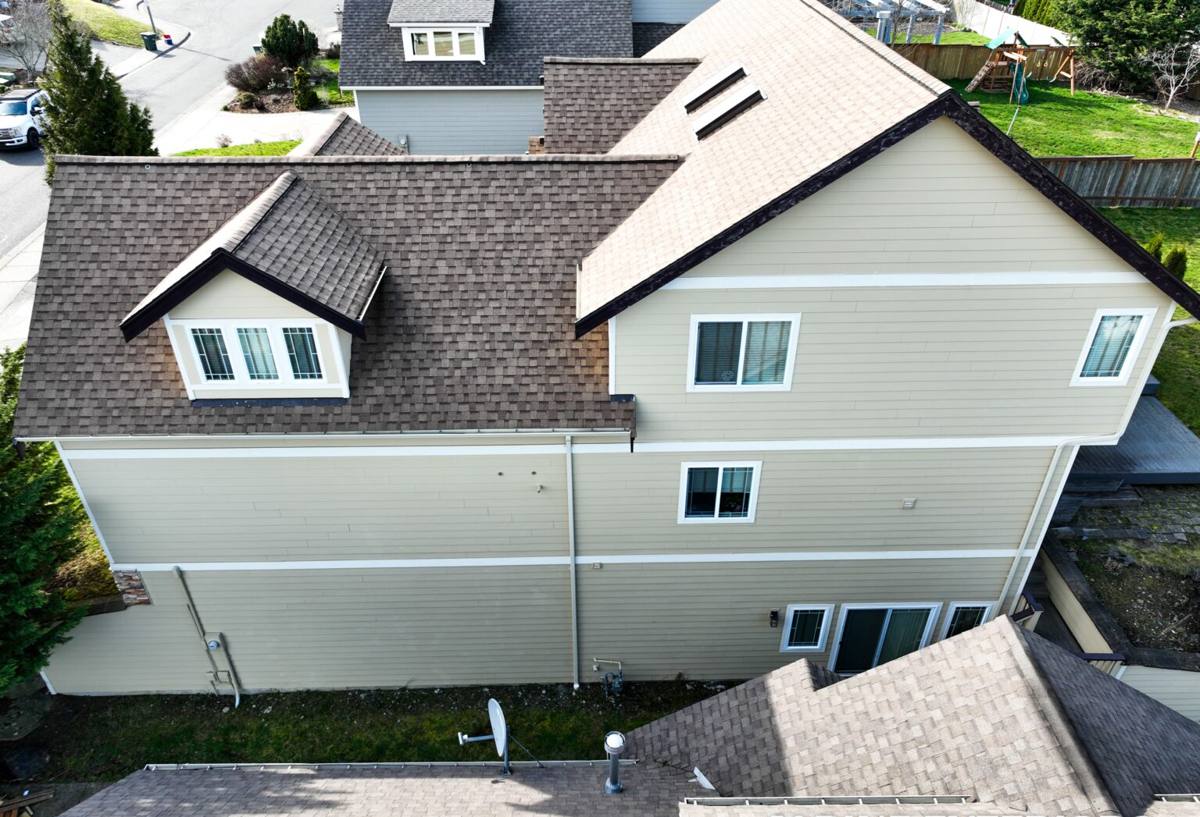
What Salt Air, Rain, and Moss Actually Do to a Deck
Salt Air and Corrosion
Airborne salt from the channel settles on every exposed surface, including the metal you can't see. Deck screws, joist hangers, post bases, and railing brackets are the first casualties. Standard zinc-coated fasteners can start rusting within a few seasons this close to the water. Once a fastener corrodes, it loses holding strength long before it looks obviously bad, which is why a deck can feel "solid" right up until a railing gives way.
Driving Rain and Moisture Intrusion
Skagit County gets sustained, wind-driven rain rather than just vertical drizzle, and that matters for decks attached to a house. Water gets pushed sideways into ledger board connections, under flashing, and into any gap where two boards meet. Once moisture gets behind a ledger or under a rim joist, it stays wet longer than it would in a drier climate, and that's where rot takes hold — often invisible from the top of the deck.
Moss and Surface Buildup
Shade, moisture, and mild temperatures are exactly what moss wants, and a La Conner deck under trees or on the north side of a house can grow a moss layer within a single wet season. Moss holds water against the board surface, which accelerates wood decay and turns composite and wood decking into a slip hazard. It also works into board grooves and fastener heads, trapping moisture right where you don't want it.
Signs Your Deck Needs Repair, Not Just Cleaning
- Boards that feel spongy, springy, or noticeably softer underfoot than the rest of the deck
- Railings or posts that wiggle, even slightly, when pushed
- Rust streaks bleeding from screw heads or metal connectors
- Gaps opening up where the deck meets the house (ledger board separation)
- Persistent green or black staining that returns quickly after cleaning
- Stairs that feel uneven or have visibly sagging stringers
- A musty smell coming from underneath the deck
- Fasteners backing out or spinning freely without biting into wood
Any one of these on its own might be minor. Several together usually mean moisture has been working on the structure for a while, and it's worth having someone look underneath, not just at the walking surface.
What a Proper Deck Inspection Covers
A repair estimate that only looks at the top of the deck misses most of the story. We check the structure from the ground up:
- Ledger board connection — where the deck attaches to the house, checked for flashing condition and water staining
- Joists and beams — probed for soft spots, especially at joist ends and anywhere water pools
- Posts and footings — checked for movement, rot at the base, and adequate bearing
- Hardware — joist hangers, bolts, and brackets checked for corrosion and proper seating
- Decking boards — probed for soft spots, cupping, and fastener pull-through
- Railings and guards — tested for lateral movement and post attachment strength
- Stairs — stringer condition, tread attachment, and rise/run consistency
- Drainage and ventilation underneath — whether the space under the deck can actually dry out between rains
We tell you honestly what's cosmetic wear versus what's a structural concern, and we don't recommend replacing what can be properly repaired.
Common Repairs We Handle in La Conner
Board Replacement
Isolated rot or damage usually means replacing individual boards rather than the whole surface, provided the framing underneath is sound. We match spacing and fastening to the existing deck so repaired sections don't stand out or behave differently than the rest.
Ledger Board and Flashing Repair
This is one of the most common — and most serious — repairs on decks attached to homes in this area. If flashing has failed or was never properly installed, water gets behind the ledger and rots both the ledger and the rim joist it's bolted to. This connection also carries a significant share of the deck's structural load, so it gets fixed correctly, not patched over.
Post and Footing Stabilization
Posts that have shifted, rotted at the base, or were undersized to begin with get reset on proper footings. This is foundational work — everything above depends on it.
Railing and Guard Repair
Loose or failing railings are a safety issue, not a cosmetic one. We re-secure or rebuild railing systems so they meet proper attachment standards, especially important if there are stairs or a drop-off involved.
Fastener and Hardware Upgrades
When we open up a section of deck and find standard hardware corroding, we replace it with fasteners and connectors rated for coastal, high-moisture exposure — stainless or heavy-duty coated hardware appropriate to the application, so the repair actually holds up in La Conner's air rather than repeating the same failure in a few years.
Moss and Surface Restoration
Beyond a simple wash, this means addressing why moss keeps coming back — trimming back shade where practical, improving airflow underneath, and treating the surface so regrowth slows down rather than returning within weeks.
Wood vs. Composite: Repair Considerations
| Factor | Wood Decking | Composite Decking |
|---|---|---|
| Repair approach | Individual board swap is straightforward and inexpensive | Matching discontinued colors/profiles can be harder |
| Moss resistance | Absorbs moisture, moss takes hold faster | Non-porous surface resists moss but doesn't prevent surface grime |
| Salt air impact | Wood itself is fine; fasteners are the vulnerability | Board material is stable; fasteners still need coastal-rated hardware |
| Underlying structure | Same framing risks apply regardless of decking type | Same framing risks apply regardless of decking type |
| Typical repair cost | Generally lower per board | Can run higher depending on brand availability |
Whichever decking material is on top, the framing underneath — joists, beams, posts, and the ledger connection — is where most serious problems actually originate, and it's built from the same materials either way.
Our Repair Process
- On-site inspection. We look at the deck top to bottom, including underneath and at the ledger connection, not just the walking surface.
- Honest assessment. We explain what's failing, why, and whether it's a repair or a case where replacement makes more sense — with reasoning you can follow.
- Written estimate. Clear scope, so you know what's being fixed and why before any work starts.
- Repair work. Structural issues get addressed first, then surface and cosmetic items, using hardware suited to this area's exposure.
- Final walkthrough. We check the repaired areas with you and point out any maintenance that will help the fix last.
Maintenance That Extends the Life of a Repair
A repair holds up longer when the conditions that caused the original damage are managed going forward. A few things make a real difference in La Conner specifically:
- Clearing debris from between boards and off the surface before fall rains set in
- Keeping gutters and downspouts near the deck clear so water isn't dumping directly onto or under it
- Trimming back vegetation that keeps sections of the deck shaded and damp
- Rinsing or treating moss-prone areas before it gets established each season
- Checking railings and stair connections annually, since these take the most stress and are the first to loosen
Why Work With a Crew That Already Knows La Conner
Deck problems here follow patterns that aren't the same as an inland town an hour away. A contractor who works this stretch of Skagit County regularly already knows which hardware holds up near the channel, which framing details tend to fail first in this rainfall pattern, and where moss becomes a structural issue rather than just an eyesore. That local knowledge shows up in fewer repeat repairs — because the fix accounts for the actual conditions the deck lives in, not a generic checklist.
If your deck in La Conner has soft spots, loose railings, persistent moss, or you just want an honest read on its condition, we're glad to take a look. Reach out for a free, no-pressure estimate using the form below.