 Skagit County
 Board & Batten Siding in Sedro-Woolley
Board and batten is one of the most recognizable siding styles in Skagit County, and it's easy to see why. The vertical lines suit the farmhouse and craftsman homes scattered throughout the Skagit Valley, and the deep shadow lines give a house real texture instead of a flat, builder-grade look. But board and batten isn't a style you can install the same way everywhere. It performs differently depending on climate, and Sedro-Woolley's mix of driving rain, humidity, and a long moss season changes what "correct installation" actually means here.
This page covers what board and batten siding needs to hold up on a Sedro-Woolley home, what a proper installation involves, and why we install it exclusively in James Hardie fiber cement rather than vinyl or engineered wood versions of the same look.
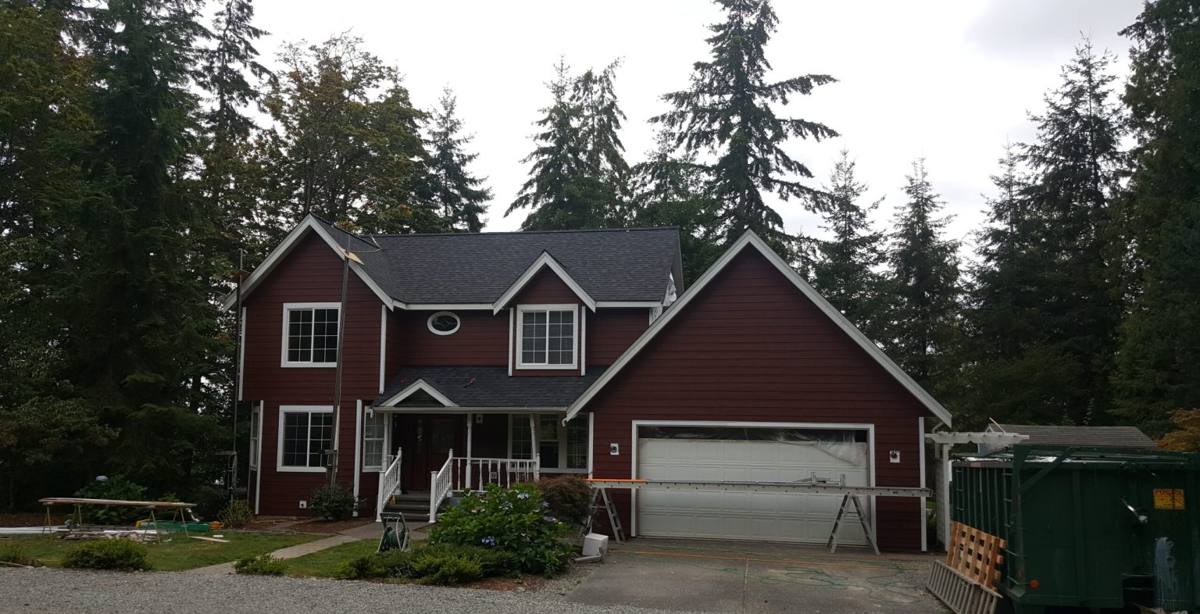
Why Skagit County's Climate Is Hard on Board & Batten Siding
Board and batten siding relies on vertical battens covering the seams between wider boards or panels. That design looks great, but it also creates a lot of narrow vertical channels and seams — and every seam is a place water can find its way behind the siding if the installation isn't done right.
In Sedro-Woolley and across Skagit County, a few climate factors make this a real concern rather than a theoretical one:
- Driving rain: Wind-driven rain off the valley and the nearby marine air doesn't just fall straight down — it gets pushed sideways into vertical seams and batten joints.
- Long moss season: Cool, damp conditions for much of the year mean moss and algae get a long runway to establish themselves on north-facing walls, shaded elevations, and anywhere siding stays damp.
- Salt-influenced air: The broader Skagit County climate carries marine moisture that accelerates wear on materials that aren't built to handle repeated wet-dry cycling.
- Tree cover and shade: Many Sedro-Woolley properties sit near mature trees, which slows drying time on shaded walls and adds organic debris that feeds moss and mildew growth.
None of this means board and batten is a bad choice here — it's one of the more distinctive siding styles available. It means the installation details matter more in Sedro-Woolley than they would in a drier climate.
What Correct Board & Batten Installation Involves
Drainage Behind the Siding
The single biggest factor in how board and batten siding performs long-term is what happens behind it, not what it looks like from the street. A correctly installed system includes a weather-resistant barrier and a drainage gap — often called a rainscreen — so any moisture that does get past the battens has somewhere to go and can dry out instead of sitting against the wall sheathing.
Batten Spacing and Fastening
Battens need to be spaced and fastened according to the manufacturer's engineering, not just "close enough." Fastener placement, spacing intervals, and edge distances all affect how the panels handle expansion, contraction, and wind load over time. Get this wrong and you end up with popped fasteners, cracked panels, or gaps that widen over the years.
Flashing and Transitions
Every place board and batten siding meets a window, door, roofline, or deck ledger is a place water wants to get in. Proper step flashing, kickout flashing, and sealed transitions at these points matter more than the siding material itself — a great product installed over bad flashing will still fail.
Field-Cut Edge Sealing
Fiber cement panels and battens get cut on site to fit corners, openings, and roof lines. Every field-cut edge needs to be sealed per the manufacturer's specification. Skipped edge sealing is one of the most common shortcuts on rushed jobs, and it's also one of the first things that fails when Skagit County's wet season sets in.
James Hardie Board & Batten Systems
We install board and batten siding exclusively in James Hardie fiber cement — typically HardiePanel vertical siding paired with HardieTrim battens, finished in a factory-applied ColorPlus finish. A few reasons this system holds up specifically in a climate like Sedro-Woolley's:
- Fiber cement composition: James Hardie panels are engineered from cement, sand, and cellulose fiber, which doesn't absorb and swell the way wood-based products can when exposed to repeated moisture cycles.
- Non-combustible: Fiber cement won't ignite from flying embers, which matters given the wildfire smoke and dry-season fire risk that has become more common across western Washington summers.
- Factory-applied finish: ColorPlus finish is baked on in a controlled environment rather than field-painted, which gives more consistent coverage and better resistance to fading and moisture intrusion at the finish layer.
- Climate-engineered product lines: James Hardie makes region-specific HZ formulations. The product installed on a Skagit County home is engineered for a wet, moderate-temperature climate rather than a generic, one-size-fits-all formulation.
- Transferable warranty: A strong, transferable manufacturer warranty backs the product itself, separate from the workmanship warranty we provide on the installation.
Why We Don't Install Vinyl or Engineered Wood Board & Batten
Vinyl board and batten and engineered wood board and batten products are both available, and we understand the appeal — they're often less expensive up front. But we've made a professional decision not to install them, for reasons specific to this climate:
- Vinyl board and batten expands and contracts significantly with temperature swings, which can telegraph through the seams over time and loosen fastening at the battens. It also doesn't hold paint well if a homeowner ever wants to change the color down the road.
- Engineered wood board and batten (including OSB-based products) performs well when installation and maintenance are perfect, but any breach in the edge seal or finish coating lets moisture into the wood substrate. In a climate with Sedro-Woolley's rain totals and moss season, that margin for error is thinner than we're comfortable installing behind our name.
This isn't a claim that these products can't work anywhere — it's an honest reflection of the trade-offs we've seen in wet Pacific Northwest climates, and why we standardized on fiber cement instead.
Comparing Board & Batten Materials for Skagit County Homes
| Material | Moisture Behavior | Maintenance | Typical Lifespan Here |
|---|---|---|---|
| James Hardie Fiber Cement | Doesn't swell or rot; engineered for wet climates | Occasional wash; ColorPlus finish resists fading | Decades, per manufacturer warranty |
| Engineered Wood (OSB-based) | Vulnerable if edge seal or coating is breached | Requires vigilant caulking and repainting | Shorter if maintenance lapses |
| Vinyl | Doesn't absorb water, but seams can loosen with expansion | Low, but can't be repainted easily | Variable; UV and cold can make it brittle |
Cost Factors for Board & Batten Siding in Sedro-Woolley
| Factor | How It Affects Cost |
|---|---|
| Home size and wall complexity | More corners, gables, and dormers mean more cuts, flashing, and labor |
| Existing siding removal | Tear-off and sheathing repair add cost versus a straightforward re-side |
| Rainscreen/drainage upgrade | Adding proper drainage behind the siding is an upfront cost that pays off in longevity |
| Batten spacing pattern | Narrower, more frequent battens use more material and labor than wider spacing |
| Trim and color selection | Custom trim details and ColorPlus color choice affect material pricing |
We give exact numbers only after seeing the specific home — anyone quoting a firm price over the phone without walking the property is guessing.
Our Process for Board & Batten Projects in Sedro-Woolley
- On-site assessment: We walk the home, check existing wall condition, note shaded or moss-prone elevations, and assess drainage and flashing needs.
- Product and layout selection: We discuss batten spacing, panel layout, trim details, and ColorPlus color options based on the home's style and exposure.
- Prep and drainage: Old siding removal (if needed), sheathing inspection and repair, and installation of a weather-resistant barrier with a proper drainage gap.
- Installation to manufacturer spec: Panels and battens installed with correct fastener spacing, flashing at every transition, and sealed field cuts.
- Final walkthrough: We review the finished work with the homeowner before calling the job complete.
Working across Skagit County regularly means we're not guessing at how this climate treats a wall assembly over time — we see it on jobs and follow-up visits, and it shapes how we detail every project.
Living With Board & Batten Siding Through Skagit County's Moss Season
Even correctly installed fiber cement siding benefits from basic upkeep in a climate like this. A soft wash once or twice a year removes moss and algae before it takes hold, especially on shaded, north-facing walls. Keeping gutters clear and trimming back vegetation that shades a wall for long stretches also helps siding dry out between rain events instead of staying damp. None of this is heavy maintenance — it's the kind of upkeep that keeps a good installation looking good for its full service life.
What to Check Before Hiring a Board & Batten Contractor Here
- Do they install a drainage gap/rainscreen behind board and batten, or nail it flat to the wall?
- Do they follow the manufacturer's published fastener spacing and batten layout specs?
- Will they detail flashing at every window, door, and roofline transition, not just the field of the wall?
- Do they seal every field-cut edge on site, not just factory edges?
- Can they explain why they use the specific product line they're proposing for this climate?
Get a Free Estimate
If you're considering board and batten siding for a home in Sedro-Woolley, we're happy to walk the property, look at drainage and exposure, and talk through what a correctly detailed installation would involve for your specific house. There's no pressure and no obligation — just a straight assessment from a crew that installs this siding style across Skagit County. Fill out the form below to schedule a free estimate.